Most of my friends are still a good number of years away from retirement. But when the topic comes up, the sentiment tends to be "I can't wait to stop working for good."
Not me, though. I guess I've always been somewhat of a workaholic, but I love the idea of keeping my mind stimulated. And because I enjoy what I do, my ideal setup is to keep doing it indefinitely.

Image source: Getty Images.
But I'm also a realist. While I hope that AI doesn't decimate the writing industry, I have to assume that as that technology evolves, opportunities in that space will start to dwindle. And so while I'd love to never retire, it's just not something I can bank on. Here's how I'm adjusting my plans accordingly.
1. I'm opening my mind to other types of work
When I say I don't ever want to retire, I mean I'd like to be able to continue getting paid to write for as long as I can. But that doesn't mean I'm not open to other work.
One of the things I love about what I do is getting to help people navigate financial decisions. So becoming a CFP, or Certified Financial Planner, is something I've long toyed with.
I also absolutely love being around animals. And part of me has always wanted to get paid to do something like walk or train dogs.
I feel it's important to be open to other types of work -- especially types AI is less likely to touch -- if my goal is to never retire. However, I also know that I have limits.
I don't, for example, see myself being happy bagging groceries or stocking retail shelves. I don't think I'd find that work emotionally fulfilling or mentally stimulating. So it's important that I set boundaries for myself so I don't force myself into a role that makes me resent going to work.
2. I'm saving diligently to be less reliant on earned income later on
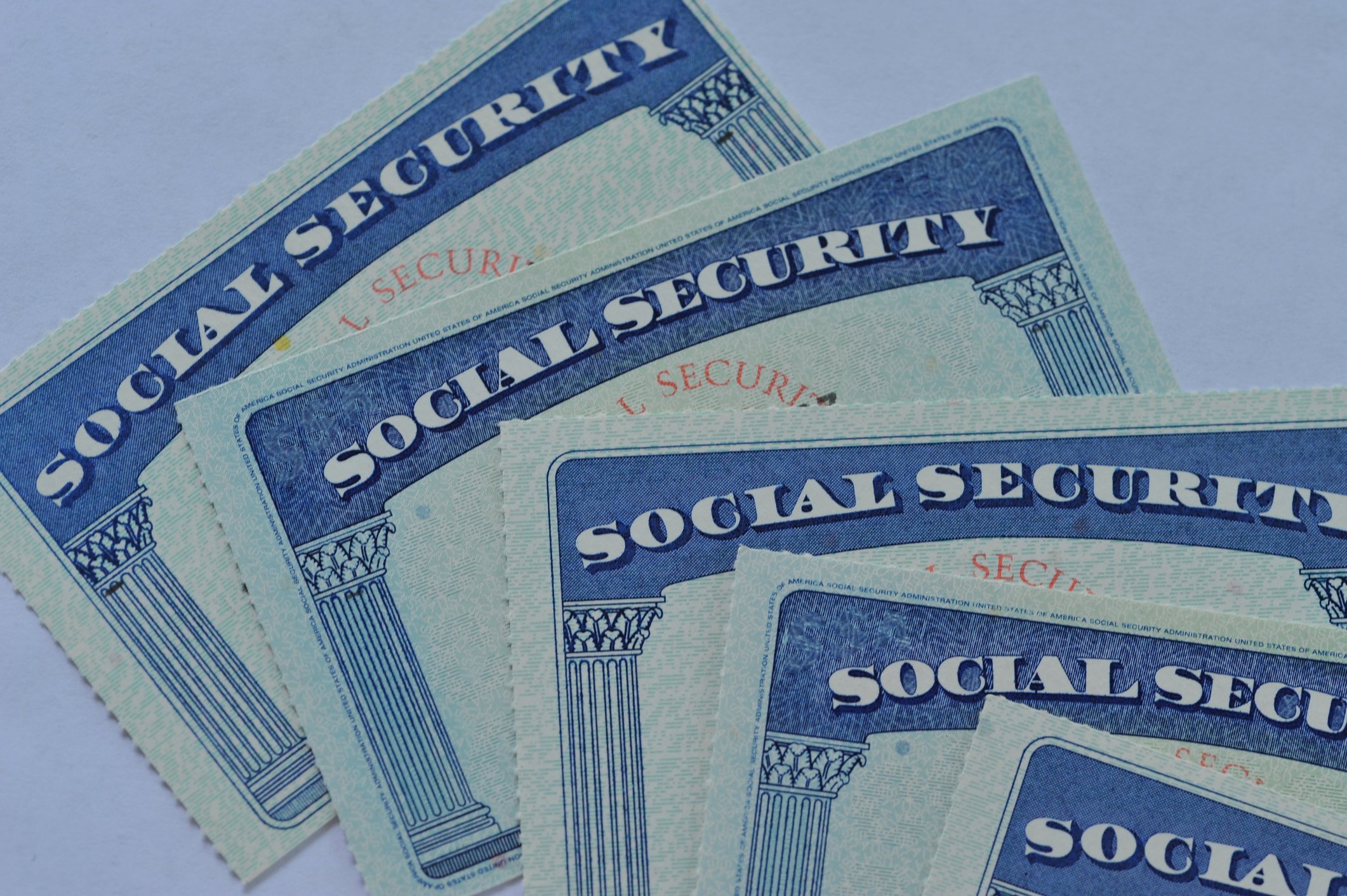
I've always liked the idea of working in retirement because it takes a lot of pressure off of your portfolio. Granted, I've earned the right to Social Security in retirement. But given the potential for broad benefit cuts, I'm not sure how generous those monthly checks will end up being.
I also know that Social Security will only replace a small portion of my current income. I'm willing to downsize my home and shed other expenses in retirement, but I still can't see myself being able to cover my costs on those benefits alone.
Since I can't bank on being able to keep earning money, I'm doing my best to save aggressively for retirement. In addition to maxing out my solo 401(k) plan each year, I contribute to a taxable brokerage account regularly that's earmarked for retirement.
When I write about retirement savings, I typically suggest that workers try to sock away 15% to 20% of their paychecks for their senior years. I tend to aim a bit higher, and the reason is that I know I can't count on having a job for as long as I want one.
3. I'm developing an income-producing portfolio
The more money your portfolio is able to generate for you in retirement, the less reliant on other income you need to be. In that regard, I'm developing an investing strategy to pivot to in the event that I'm unable to work.
Right now, I have a large chunk of my portfolio in growth stocks. But my plan is to shift toward income-producing assets as retirement nears, such as dividend stocks and ETFs, real estate investment trusts, and bonds. I'm willing to forgo higher returns for steady income and less volatility, especially since I may not be able to supplement my Social Security and portfolio withdrawals with a paycheck from a job.
4. I'm learning to be OK with not being productive
One big reason I've always imagined myself working indefinitely is that I don't have an easy time being unproductive. This doesn't mean I don't enjoy the occasional lazy Saturday curled up on the couch. But for the most part, I thrive on productivity. And when I feel unproductive, it messes with my mental health.
Since I recognize that I may not be able to keep working as long as I want to, I'm trying to train myself to not measure my self-worth based on how productive I've been. I'm also trying to expand my definition of productivity.
Right now, a productive day is one where I've earned a certain amount of money while also juggling laundry, dinner prep, and the many other tasks that come with raising kids. At some point, a productive day might be one where I've organized my pantry, caught up with old friends by phone, and learned something new in an online class.
Though I have pretty strong feelings about not wanting to retire, I have to face the reality that I may not get my way. But with a backup plan in place, I'm less worried about not getting what I want.