A lot of people set a goal of being mortgage-free in time for retirement. And that's a good financial goal to strive for.
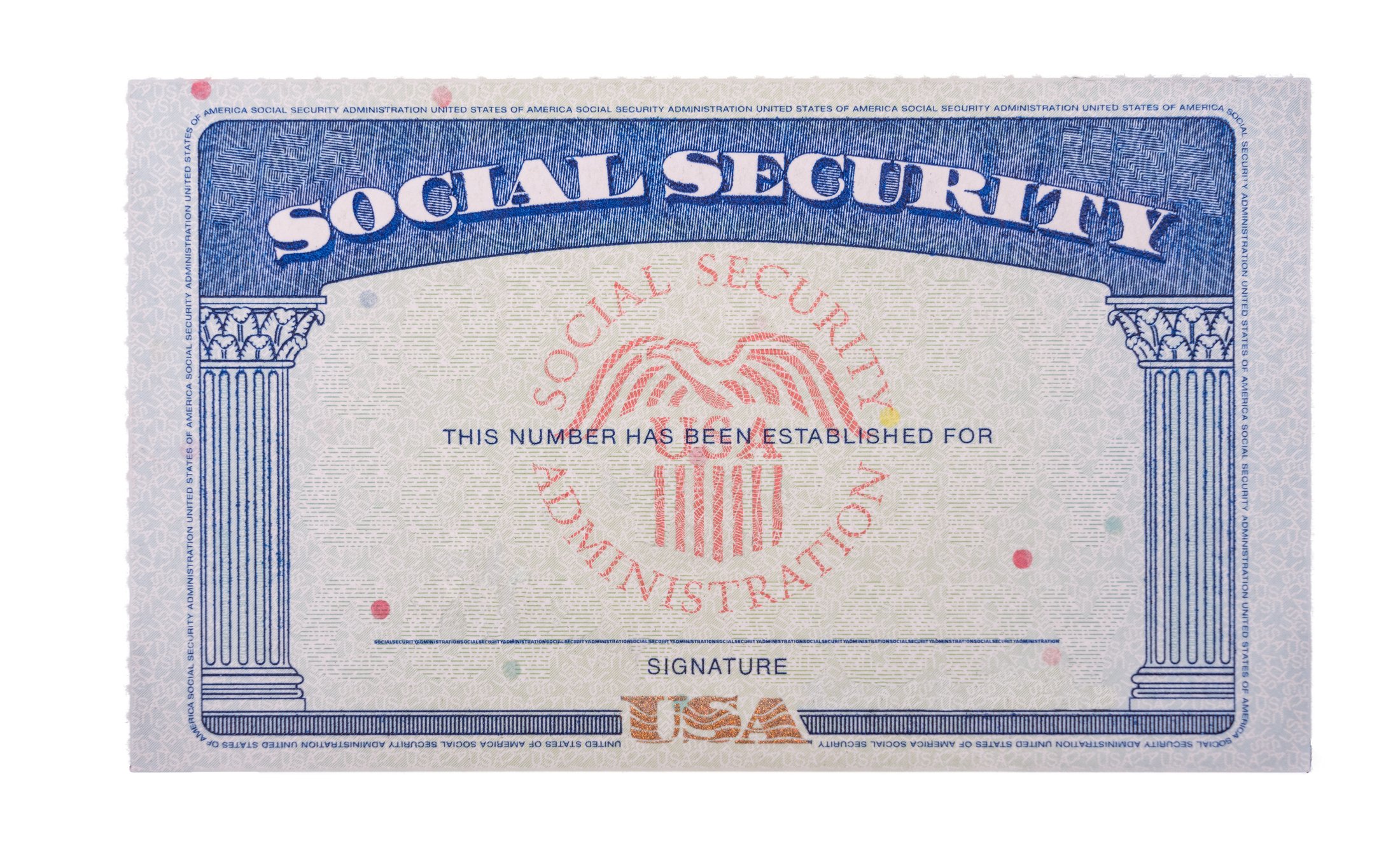
If you manage to retire without a mortgage, it'll mean having one less monthly bill to contend with. At a time when you may be on a tight budget that consists largely of Social Security and modest retirement plan withdrawals, being mortgage-free could spare you a world of financial stress.
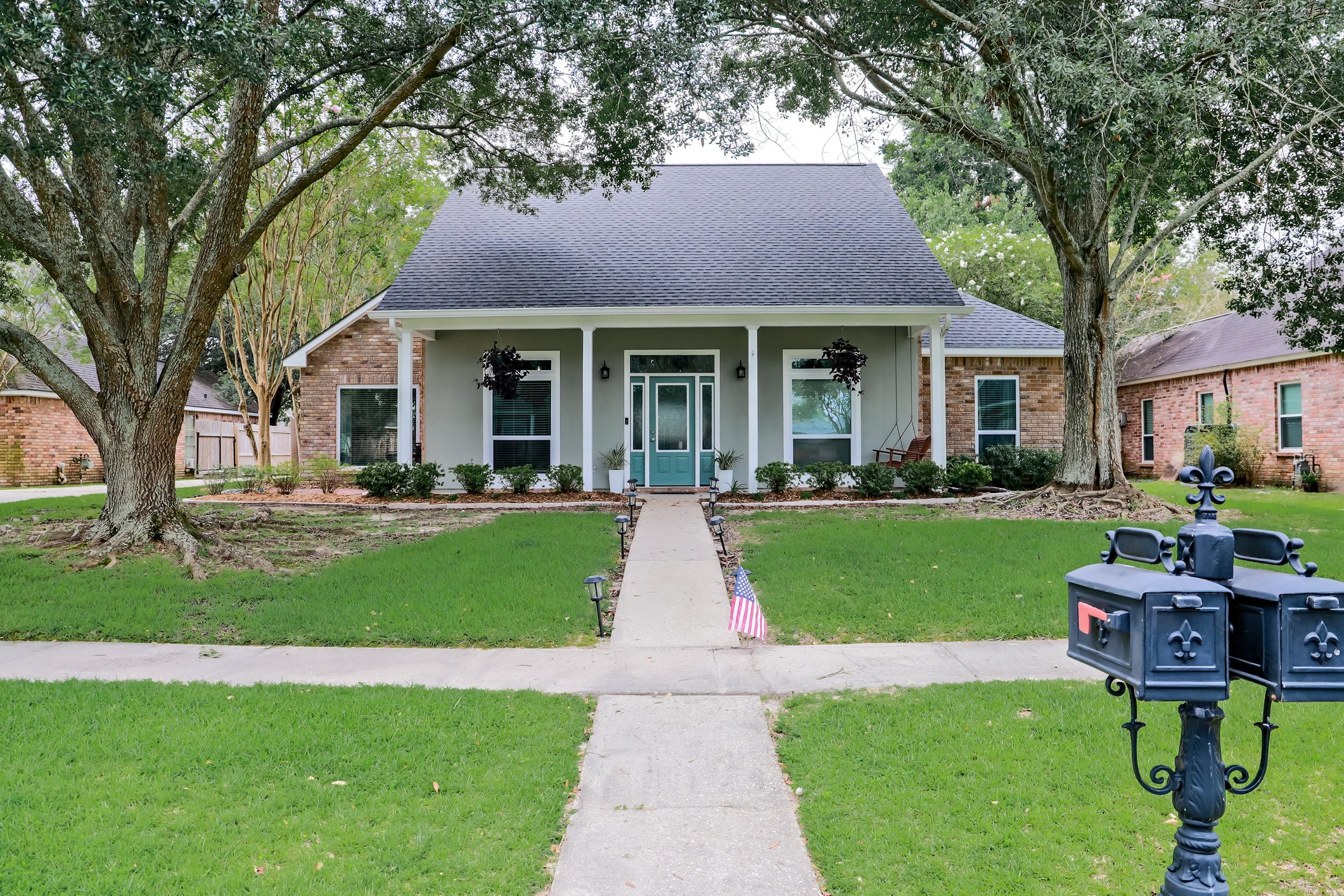
Image source: Getty Images.
But there's another potentially large expense you might encounter in retirement if you own a home, even if that property doesn't have a mortgage attached to it. And it's an expense that could upend your finances big time.
Don't forget about home maintenance
If you've owned a home for many years, you're well aware that it costs money to keep it in good shape. You might assume that you've budgeted carefully for home maintenance. But there are a couple of things to keep in mind about home maintenance in retirement.
First, if you've owned your home long enough for it to be paid off, it means your home may be on the older side. And that means that during retirement, you may find yourself with a lot of work to do as your home's various systems continue to age.
Secondly, you might assume that once you're retired, you'll have more time to handle maintenance tasks you previously had to outsource. But as you age, your ability to do that maintenance might wane. And so it might cost more to own your home than expected.
Plan for maintenance costs carefully -- or consider creative solutions
HomeGuide reports that the average U.S. homeowner spends $4,000 to $22,000 per year on maintenance, depending on the age, size, and location of the home in question. Obviously, that's a huge range.
But a general rule of thumb is that maintenance costs 1% to 4% of your home's value each year. And the older your home, the more likely you may be to land on the higher end of that range. So if you own a $500,000 house that's 50 years old, you may very well spend $20,000 a year maintaining it.
It's important to be honest with yourself about whether you can afford to keep up with home maintenance. If not, you may want to consider downsizing.
Another option? Keep your larger home, perhaps for the convenience or familiarity, but rent out a portion of it. A monthly rent check could nicely supplement your Social Security benefits and retirement plan withdrawals, making it easier to cover the cost of maintenance.
Or, you could potentially enter into an agreement with a tenant where they help you with maintenance in exchange for reduced rent. That way, your tenant gets a bit of a break, and you get the help you need keeping your home in great shape. It could end up being a win-win.