Once you turn 73 years old, tax-deferred accounts like 401(k)s require you to begin withdrawing from your account. These are called required minimum distributions (RMDs) and are a way to ensure the IRS gets its cut after giving you an upfront tax break.
You have until Dec. 31 to take your RMDs each year, except in the year you turn 73. That year, you have until April 1 of the following year to take your RMDs. (In other words, someone turning 73 this year would have until April 1, 2027).
Is it better to take your RMDs early in the year or wait until the year is ending?
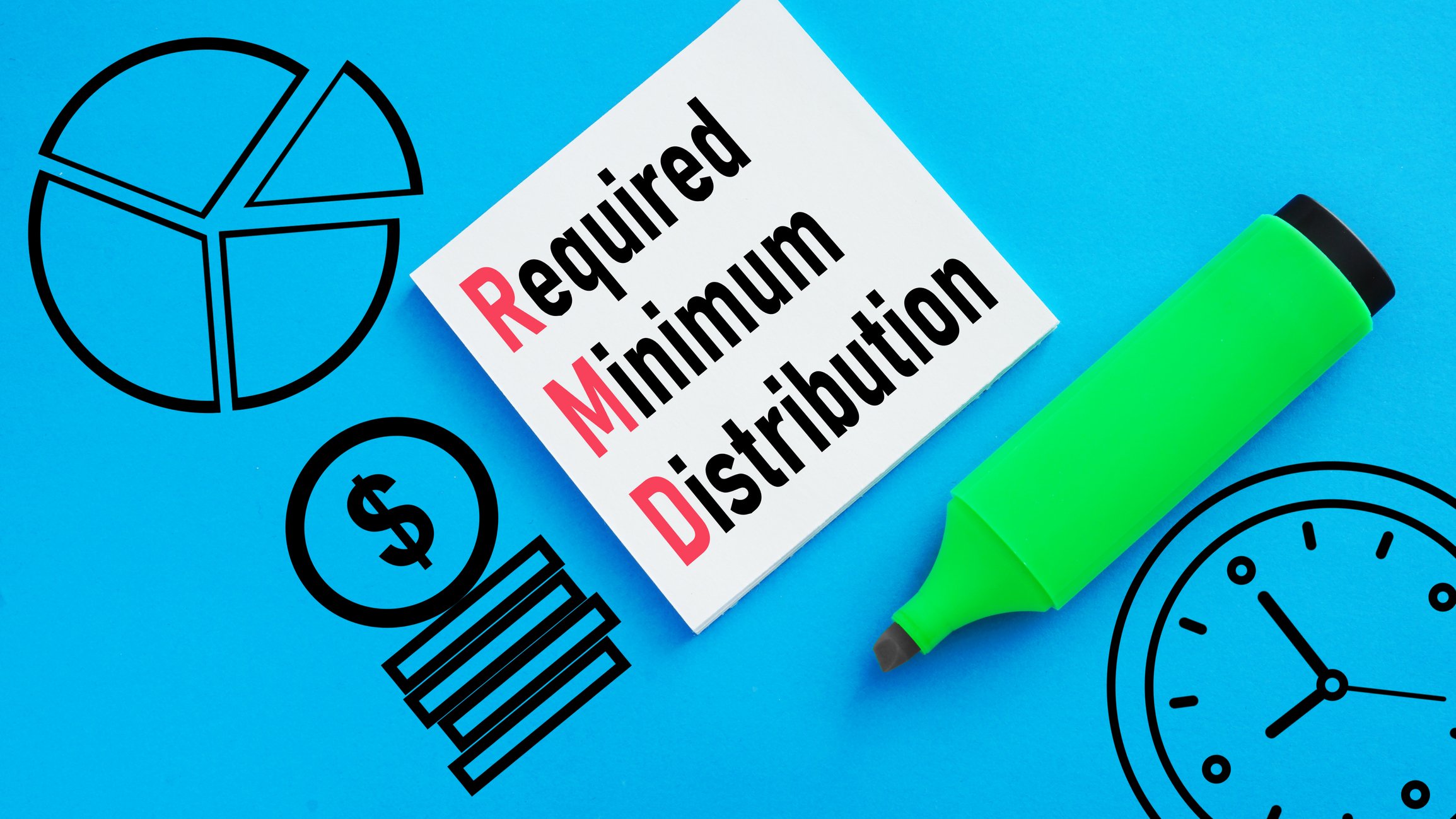
Image source: Getty Images.
When is the best time to take your RMD?
Unfortunately, there's no straightforward answer because each route has its benefits. If you withdraw early and get your RMD out of the way, you don't have to worry about missing the deadline or not withdrawing as much as you need to. And if there's a mistake, you'll have plenty of time to get it corrected.
Even if you don't trust yourself with a huge lump sum, you can take your entire RMD withdrawal in cash and then set up automatic monthly transfers to your bank account. It would essentially be like a paycheck.
If you wait until later in the year to take your RMD, you'll give your investments more time to grow (ideally). For example, an investment in the S&P 500 (^GSPC 1.52%) would've grown by around 18% from the beginning of January 2025 to the end of December 2025. Depending on how much you invested, that could easily mean a difference of tens of thousands of dollars.
Unfortunately, the opposite is also true: Your investments could lose value during that time. In that scenario, taking RMDs early would mean less of your money losing value, and waiting would mean you'd have to stomach a drop.
What happens if you don't take your RMD?
Failing to take your RMDs will trigger a 25% penalty on the amount you didn't withdraw but were supposed to. For example, if you're supposed to withdraw $30,000 and only withdraw $26,000, the penalty would be $1,000 (25% of $4,000). If you correct your mistake within two years, the penalty can be reduced to 10%, and you'd owe $400 instead.
Ideally, you won't have this issue, but if you do, you'll need to make the appropriate withdrawal and file Form 5329 requesting a "reasonable cause" waiver. You'll fill out the form and attach a letter explaining why you didn't take the withdrawal.
If the IRA finds the excuse reasonable, it may waive the full penalty.