There's no right way to retire and no perfect amount to save. Everyone has their own preferences.
Some prefer to live their lives exactly how they did before retirement, while others want to travel or purchase second homes. Others want to live an even simpler lifestyle than before. Regardless of how you want to retire, it's a good idea to set goals and plan.
Looking at expert advice and public data can be helpful. Research can also help determine where you want to retire. The U.S. is massive, and there are many undiscovered gems that people may at least want to consider or weigh against their initial retirement destinations.
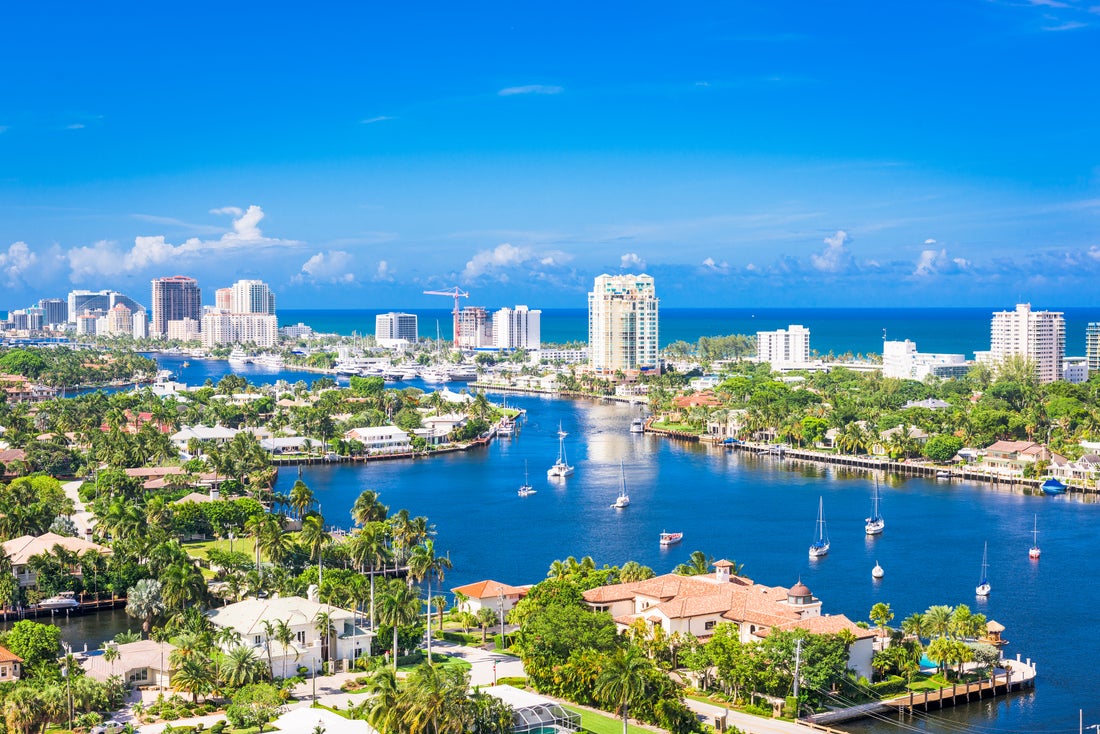
Here are the top five best places to retire in the U.S., according to recent research from Motley Fool.

Image source: Getty Images.
How the survey was conducted
Earlier this year, The Motley Fool analyzed every U.S. county using primary and secondary data. This included surveying 2,000 retired Americans to identify the best retirement locations by county. The Motley Fool first identified seven key retirement preferences, based on the survey results, and then assigned weights to them. The weights are as follows:
- Quality of life: 31%
- Healthcare access and quality: 15%
- Housing affordability: 13%
- Crime and safety: 12%
- Weather and climate: 12%
- State and local taxes: 11%
- Non-housing affordability: 6%
The Motley Fool then applied these weightings to secondary data from eight public and institutional data sets to tally a final score for every U.S. county. Counties with fewer than 40,000 residents and a quality-of-life score below 35 were excluded, or those with housing affordability below 35. The research also looks at what retirees value most on average, although there truly is no right answer.
The top five places
Without further ado, here are the top five places, according to The Motley Fool research, along with the scoring:
| County | Final Score | Quality of Life | Healthcare | Cost of Housing | Cost of Living | Crime | Tax | Climate |
|---|---|---|---|---|---|---|---|---|
| Broward County, FL | 64 | 78 | 33 | 45 | 64 | 61 | 62 | 88 |
| St. Johns County, FL | 59 | 70 | 17 | 42 | 57 | 74 | 64 | 84 |
| Gadsden County, FL | 59 | 41 | 61 | 63 | 80 | 61 | 65 | 80 |
| Cuyahoga County, OH | 58 | 53 | 43 | 61 | 79 | 78 | 48 | 68 |
| Pulaski County, AR | 58 | 52 | 48 | 62 | 80 | 55 | 56 | 75 |
Data source: The Motley Fool. Chart by author.
As you can see above, three counties in the Sunshine State made the list, which isn't a big surprise, considering that older people typically like to retire somewhere warm where they don't have to deal with snow. Florida also has no state income tax. However, there are challenges, such as rising housing and rent costs and difficulty obtaining homeowners insurance, due to Florida's frequent hurricanes.
The fourth and fifth slots belong to some unlikelier candidates that you may not have expected, unless you're from the area. As the country has become increasingly expensive to live in due to surging inflation since the pandemic, retirees have likely sought more affordable areas, and Ohio and Arkansas fall into this category.
As you can see above, both Cuyahoga County, Ohio, and Pulaski County, Arkansas, ranked high in cost of living and housing costs. However, Ohio still faces difficult winters, while Pulaski County, which includes Little Rock, faces hot summers, above-average crime in some city areas, and lower median incomes, which hurt the tax base and funding for public services.
Unfortunately, there's no one part of the country that doesn't have pros and cons. For instance, parts of the country that have the best weather, such as San Diego, will have a higher cost of living due to demand to live there. The key is to really think about what is most important to you in retirement, and then find the location that best meets your criteria and fits your budget.