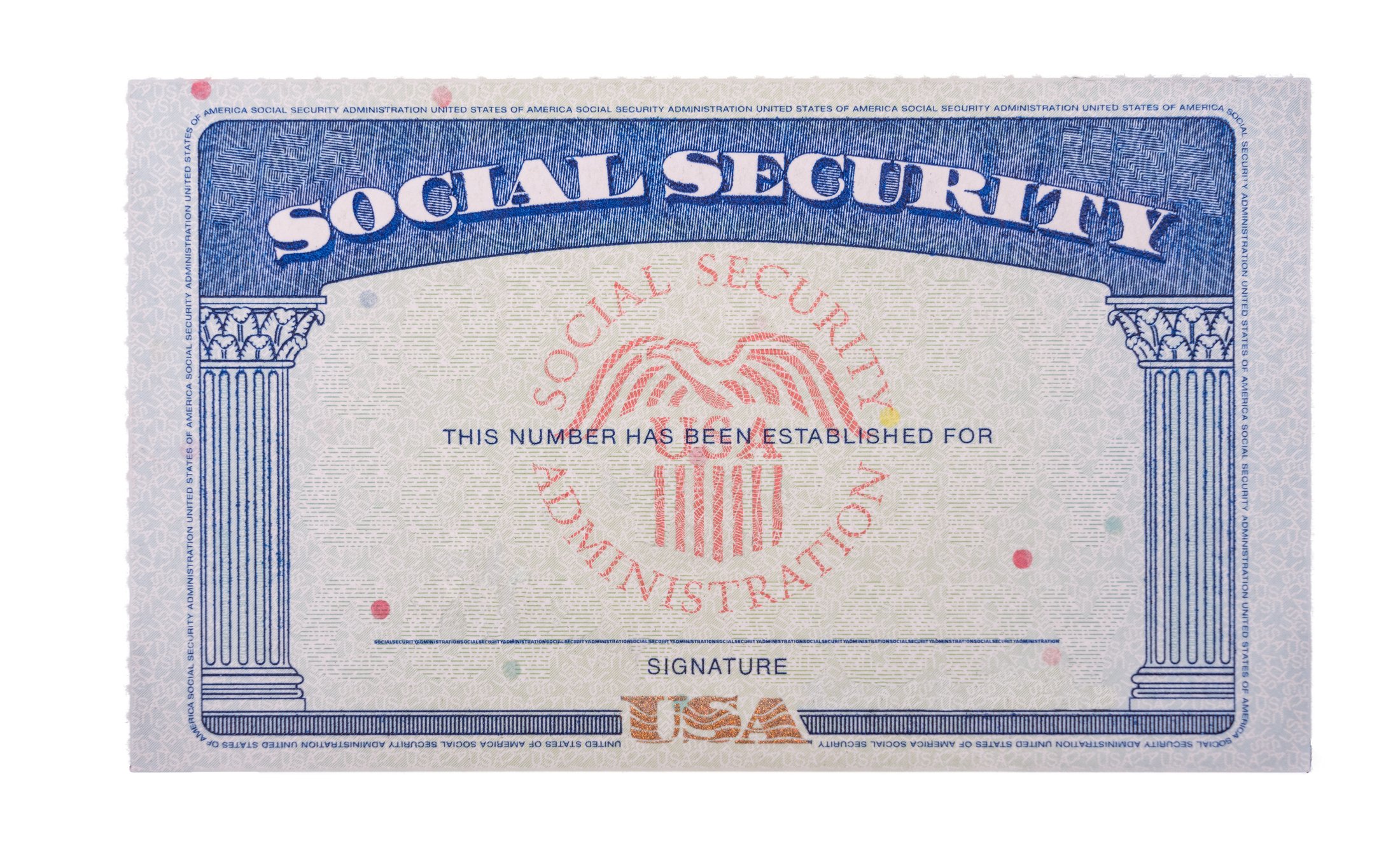
When you have reached your 60s, you are likely very close to retirement and, in fact, many people retire during this decade of their lives. You also become eligible for Social Security as early as age 62, although waiting to claim benefits is often advisable.
Before you even consider retiring, though, you need to make sure you have enough money in your retirement plans to support yourself, as your Social Security benefits alone typically will not provide a sufficient amount of income. It can be hard to know where you stand, though, or whether you're actually on track to retire.
That's why it's worth looking at what other savers have at a similar age. So, if you are 60, how does your 401(k) balance stack up to your peers?

Image source: Getty Images.
This is how much the typical 60-year-old has invested in a 401(k)
According to Empower, the median 401(k) balance among people in their 60s is $190,151, while the average is $579,957. Although the average is higher than the median (largely because of supersavers with large 401(k) balances), neither number is great for those likely just a few years from retirement, or who may already be retired or considering retirement.
An account balance of $190,151 would provide just $7,606.04 per year in retirement income for those who follow the popular 4% rule, which is a rule of thumb aimed at reducing the likelihood that you will run short of funds during your senior years by limiting the amount you withdraw each year.
Those who have a balance closer to the $579,957 average will fare better, with their 401(k) providing around $23,198.28 in annual income. When combined with Social Security, that may be enough to live on for those who are frugal or who qualify for substantial retirement benefits based on their earnings history.
But for most, a larger 401(k) could provide much more financial security and require fewer lifestyle changes once the paychecks stop.
How do you know when your 401(k) is large enough to retire?
So, what can you do if you are 60 and your 401(k) balance is around these average or median amounts, or even lower? The answer depends on your situation.
First, you must understand your retirement income needs. Figure out how much you must spend on housing, transportation, medical costs to supplement Medicare, and other basic essentials. Once you know how much you must spend, see how much income is available from Social Security and any pension funds or other guaranteed income. Anything you won't get from Social Security or a pension, you likely must get from your savings.
If you don't have enough saved to generate enough income at a safe withdrawal rate, you may need to work longer, downsize your house to invest some of the proceeds, or find other ways to boost your investment balance -- or you'll need to cut your spending needs accordingly. It's best to find this out early, before retiring, so you can make the changes you need to secure your future before it's too late.