About the Author
The Motley Fool has a disclosure policy.
Invest better with The Motley Fool. Get stock recommendations, portfolio guidance, and more from The Motley Fool's premium services.

HSA Investment Option | Pros | Cons |
|---|---|---|
Mutual funds | Diversification across a basket of stocks.
Automatic dividend reinvestment.
Little or no investing knowledge required. | Annual fees.
Potential commission charges. on sales
Many mutual funds underperform the overall market. |
Exchange-traded funds (ETFs) | Diversification across a basket of stocks or other investments.
Automatic dividend reinvestment.
Typically low annual fees.
Some HSAs allow ETFs to be purchased with no commissions. | Some ETFs have higher fees.
Index ETFs won't beat the indexes they attempt to track. |
Stocks | Opportunity to outperform the overall market.
No annual fees.
Some HSAs allow stocks to be purchased with no commissions. | More volatile.
Requires more investing expertise and research time. |
Bonds | Can be less risky and less volatile than other investment options.
Interest rates typically higher than bank savings account rates. | Typically underperform stocks over the long run.
Risk of issuers defaulting on interest and principal repayment. |
Your financial stability affects your health, especially when it comes to paying for medical bills. That's why the stakes are very high as you consider how to cover healthcare and other expenses later in life.
A health savings account (HSA) is one specific type of account where you can invest your money for the future. However, these accounts don't just provide a way to cover your health expenses. They can also be attractive investment vehicles.
But investing in HSA funds isn't for everyone. Here's what you need to know about the ins and outs of investing HSA money to be able to make the best decision for your personal situation.
In some cases, it is possible to invest your HSA money. However, many HSA administrators require a minimum balance in your account before allowing you to invest.
Check with your HSA administrator to find out if you must meet any minimum threshold requirements in your HSA before you can invest.
If you find out you can invest your money, the next big question is whether you should.
HSAs were established primarily to pay for your health expenses with pre-tax dollars if you have a high-deductible health plan. But they are also excellent retirement savings accounts with important benefits.
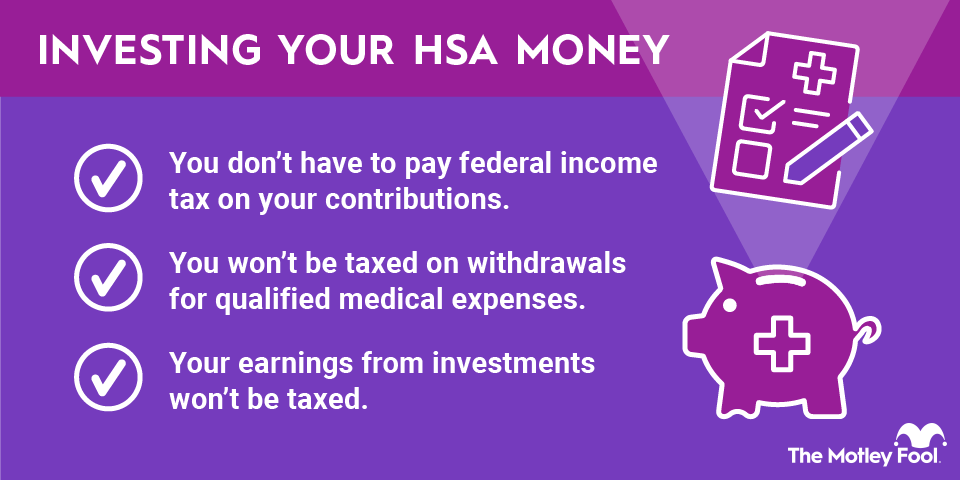
Arguably, the biggest upside for HSAs is that they offer a triple tax advantage:
You benefit from the first two tax advantages even if you don't invest your HSA money. However, if you do invest your HSA money, the third advantage helps you as well.
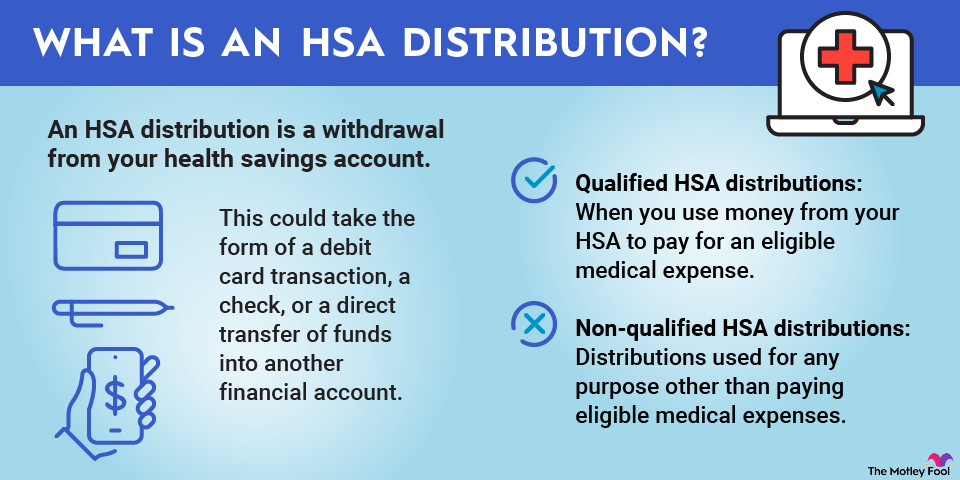
There is a caveat to this advantage, though. If you withdraw HSA money before you turn 65 for reasons other than qualifying medical expenses, you'll be taxed at your ordinary income tax rate. You could also incur an additional 20% tax penalty on HSA distributions for non-qualified reasons.
Investing HSA money can be an especially attractive option for some. If you have maxed out your other tax-protected retirement savings account contributions and you still have additional money to invest for retirement, HSAs provide a great way to boost your overall retirement savings.

Unfortunately, investing in an HSA isn't the right choice, or even an option, for everyone.
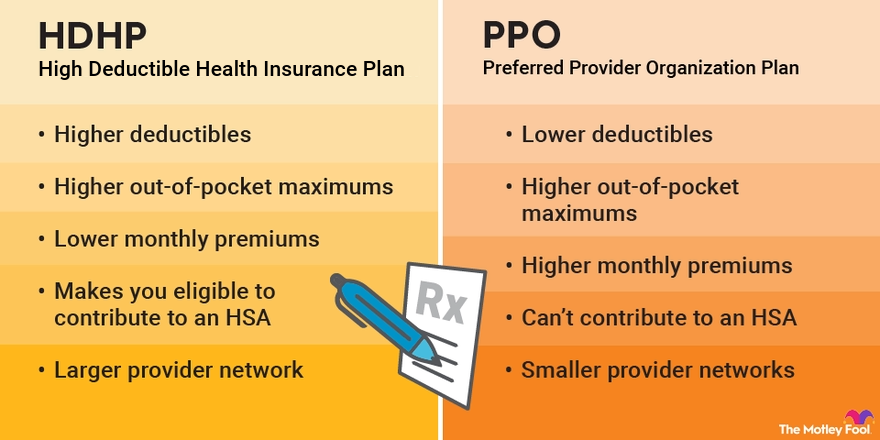
The biggest drawback to HSAs is that they must be tied to a high-deductible health plan. These plans require you to spend a lot of money from your own pocket before your health insurance provides any reimbursement. High-deductible health plans aren't well-suited for those with many medical expenses.
If you suspect you may have substantial medical expenses in the future, you may want to opt for a different kind of health insurance plan. If you are on an HSA, make sure you have enough non-invested funds to cover your care costs.
Additionally, some HSAs might not offer the investment options you prefer. Others could charge higher fees than you'd like.
You'll need to check with your HSA administrator to find the specific investment options available in your HSA. However, common HSA investment options include:
The right investment option for you (including whether you should invest at all) will depend on your goals and risk tolerance. Each common investment option has pros and cons.
If you choose to invest your HSA funds, here are a few ways to invest strategically:
Of course, some individuals might decide that the best strategy for their HSA funds is to invest none of it. Whether to invest HSA funds and how to invest them are decisions you can make for yourself and your family.