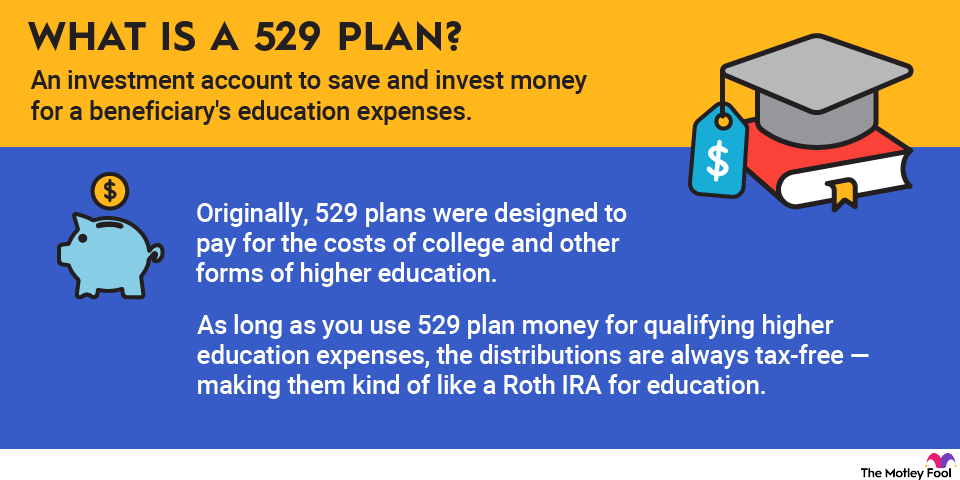
However, there are also prepaid tuition plans that let you lock in current in-state tuition rates at four-year public colleges. They usually have a conversion option in case the beneficiary (your child or whomever you set up the account for) chooses to attend a private or out-of-state college.
The 529 plans are state-sponsored, but you don't have to choose your home state's plan. You can choose any state's 529 plan, although some states offer tax breaks to residents who contribute to an in-state plan.
Do 529 plans affect financial aid?
529 plans have a relatively minor impact on financial aid. If the plan is owned by one of the student's parents and the student is a dependent, it's treated as a parental asset on the Free Application for Federal Student Aid (FAFSA).
The maximum amount that a parent asset can reduce a dependent student's financial aid award is 5.64%. In other words, if you had $10,000 in a 529 plan, it would reduce financial aid by no more than $564.
However, withdrawals won't count against you for financial aid purposes. That's a big advantage of saving for college with a 529 plan versus a Roth IRA. Assets in a Roth IRA don't count against you for FAFSA purposes, but withdrawals from a Roth IRA could reduce the aid award by up to 47%.