If the U.S. and other nations had remained on a gold standard, the world's supply of money would be limited to the available gold. And while the amount of gold on earth hasn't increased much over billions of years, the human population, its economic output, and the demand for money certainly have gone up.
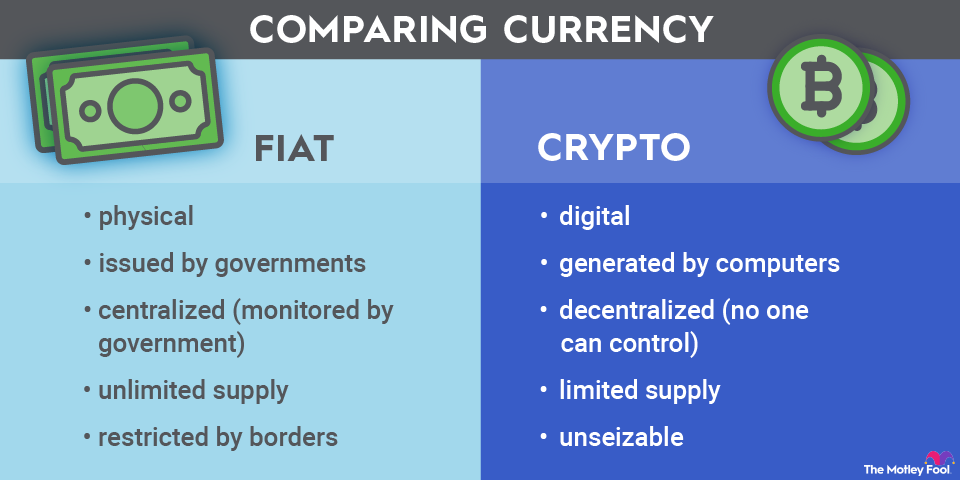
With a fiat currency, the money supply can be increased far more easily as demand increases, helping to stabilize a currency's spending power and preventing deflation, or the falling price of goods.
Before you say, "Falling prices are good," remember that there's a producer on the other side of every purchase. Falling prices can be disastrous for producers, especially if they happen quickly. This can result in big economic shocks, forcing companies to cut costs, lay off workers, or take other actions to stave off losses in a deflationary environment. And that can lead to a domino effect, hurting more businesses as they lose customers or their customers spend less, leading to more cuts and job losses.
And there you have an example of the first advantage of fiat currency -- being able to manage the money supply to make sure there's enough to prevent economy-crashing deflation.
Another advantage of a fiat currency is that it can be used to support volatility in an economy, including supporting debt markets. A central bank can take assets on its own balance sheet, such as the Fed's purchase of U.S. federal debt and mortgages.
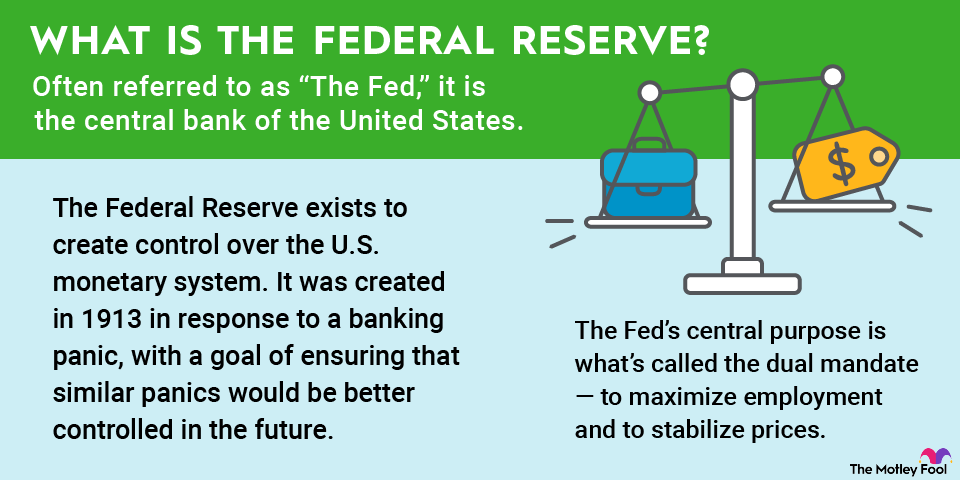
Increasing the money supply may sound like a central bank, such as the U.S. Federal Reserve Board, can just magically make money appear out of thin air. To some degree, that's true, but it's also an oversimplification. The Fed doesn't so much create money out of thin air as exchange newly made money for an asset, such as a loan to a bank, a U.S. Treasury bond, or a mortgage-backed security. In other words, when the Fed "makes" new money, it's because there is real-world demand for it.