Wall Street loves to hunt for hidden gems. But sometimes the best investments are hiding in plain sight -- the dominant players everyone already knows, but for which few appreciate just how much runway remains. As artificial intelligence (AI) spending accelerates into 2026, these three companies sit at the center of that capital flow.
Here's why I think these three AI contenders are the best buys in the space right now.

Image source: Getty Images.
The infrastructure backbone
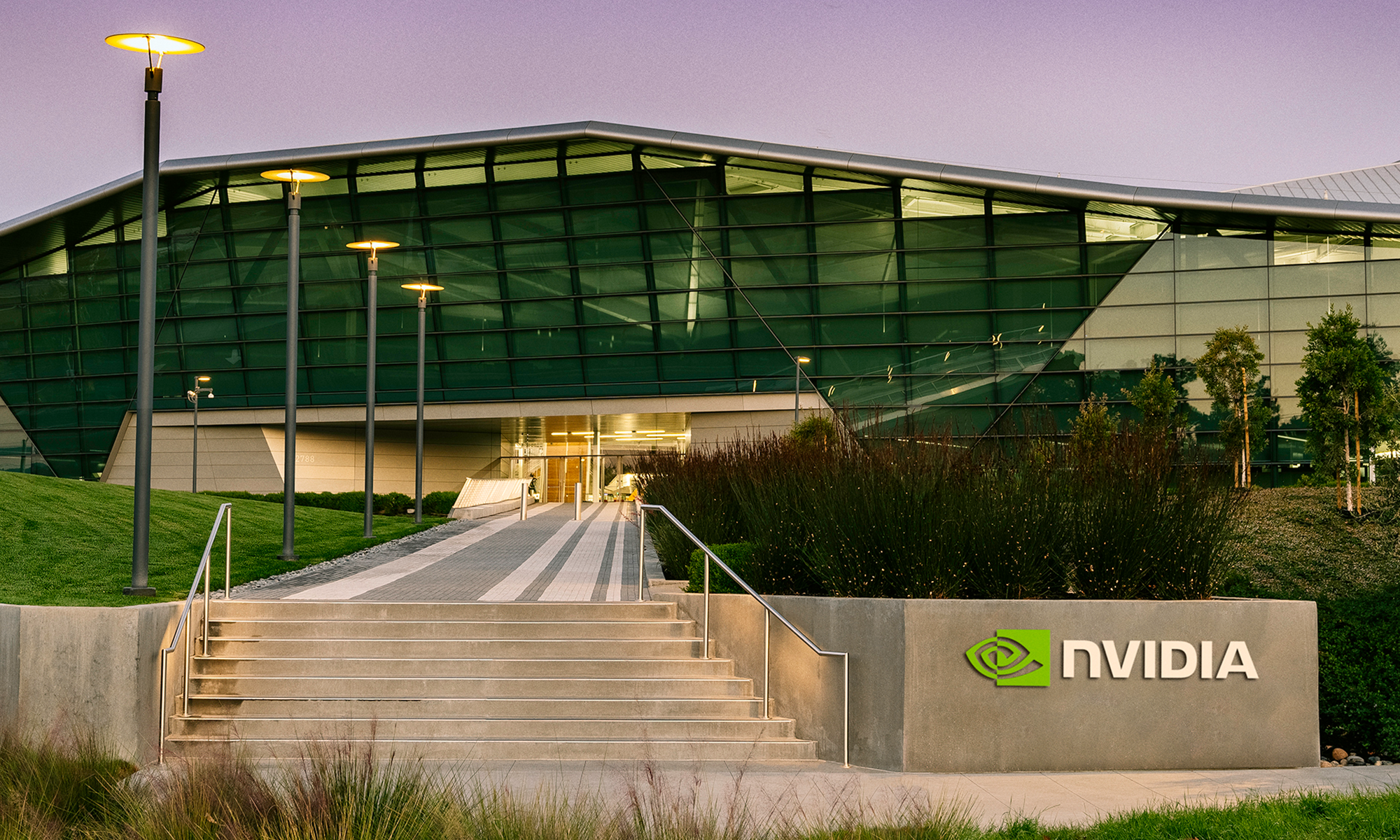
Nvidia (NVDA +1.98%) just posted another jaw-dropping quarter. Revenue hit $57 billion in the fiscal third quarter -- up 62% year over year -- with data center sales alone reaching $51.2 billion. CEO Jensen Huang declared that "Blackwell sales are off the charts, and cloud GPUs are sold out."

NASDAQ: NVDA
Key Data Points
What makes Nvidia compelling isn't just the current numbers -- it's the visibility. Management has line of sight to $500 billion in Blackwell and Rubin chip revenue through the end of calendar 2026. Fourth-quarter guidance of $65 billion implies the momentum isn't slowing. The company's networking revenue -- a sometimes-overlooked segment -- surged 162% to $8.2 billion as customers build out NVLink compute fabrics for next-generation AI systems.
With its gross margin holding above 73% and a forward price-to-earnings (P/E) ratio around 23, Nvidia isn't cheap -- but it's far from the nosebleed valuations some assume. For a company growing revenue at this pace while printing $32 billion in quarterly net income, that multiple looks reasonable. The current results don't yet reflect the impending AI spillover into robotics and autonomous vehicles -- markets where Nvidia's platforms are well positioned, but revenue remains nascent.
The enterprise AI powerhouse
Microsoft (MSFT +0.55%) offers a different kind of AI exposure -- less concentrated, more diversified, but no less compelling. The company's Azure cloud platform grew 40% in the most recent quarter, accelerating from prior periods as new data center capacity came online. That growth helped drive intelligent cloud segment revenue to $30.9 billion, up 28% year over year.

NASDAQ: MSFT
Key Data Points
Microsoft Cloud revenue reached $49.1 billion, and commercial remaining performance obligations -- a key indicator of future revenue -- surged 51% to $392 billion. The company's partnership with OpenAI grants it a privileged position in generative AI, while its dominance in enterprise software ensures that AI features reach hundreds of millions of productivity users through Copilot integrations. Trading at roughly 31 times forward earnings, Microsoft offers AI upside with lower volatility compared to pure-play chipmakers.
The competitive challenger
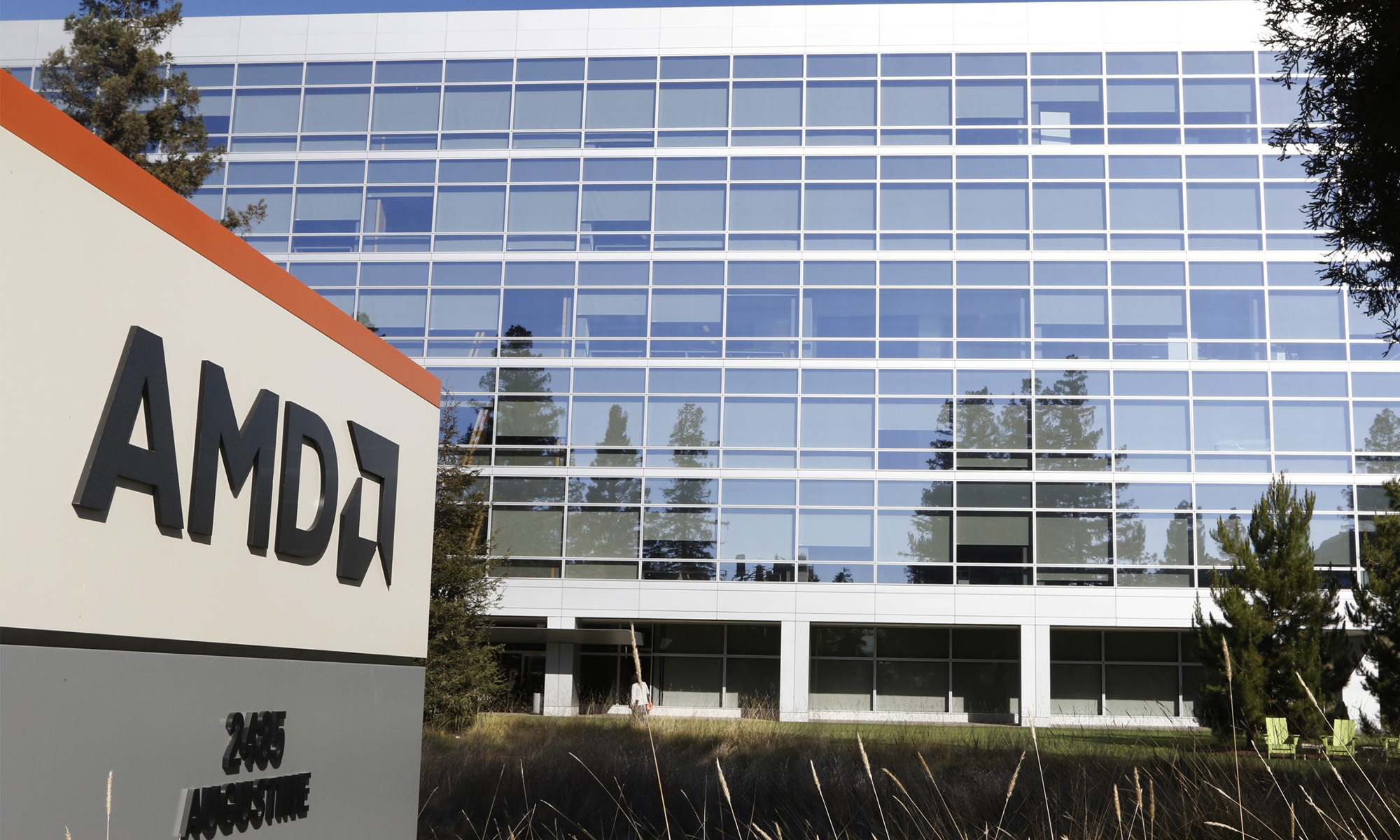
Advanced Micro Devices (AMD 0.74%) represents the value play in AI infrastructure. The company just reported record revenue of $9.2 billion -- up 36% year over year -- with data center sales climbing 22% to $4.3 billion. Its Instinct MI350 Series accelerators are now shipping and gaining traction among hyperscalers like Microsoft, Meta Platforms, and Oracle. Built on 3nm process technology with up to 288GB of HBM3E memory, the MI350 delivers a 35-fold increase in inference performance over its predecessor.

NASDAQ: AMD
Key Data Points
The potential game changer: AMD and OpenAI announced a strategic partnership to deploy 6 gigawatts of AMD Instinct GPUs, with the first 1-gigawatt deployment of next-generation MI450 accelerators set to begin in the second half of 2026. CEO Lisa Su described the AI business as "entering its next phase of growth" with a trajectory toward "tens of billions in annual revenue in 2027." AMD trades at roughly 35 times forward earnings -- a premium to the broader market but a discount to Nvidia given AMD's faster expected growth rate. That offers investors AI exposure with more room for multiple expansions if execution continues.
The portfolio approach
These three stocks cover the essential layers of AI infrastructure. Nvidia dominates training and high-performance inference. Microsoft delivers enterprise deployment and platform scale. AMD provides competitive pressure that could translate to share gains as customers seek alternatives.
All three face risks -- Nvidia's valuation assumes continued hypergrowth, Microsoft competes against AWS and Google Cloud, and AMD must prove its software stack can match its hardware gains. But together, they offer diversified exposure to what could be the most significant technology investment cycle since the internet. For December purchases, that combination of quality, visibility, and growth potential makes a compelling case.