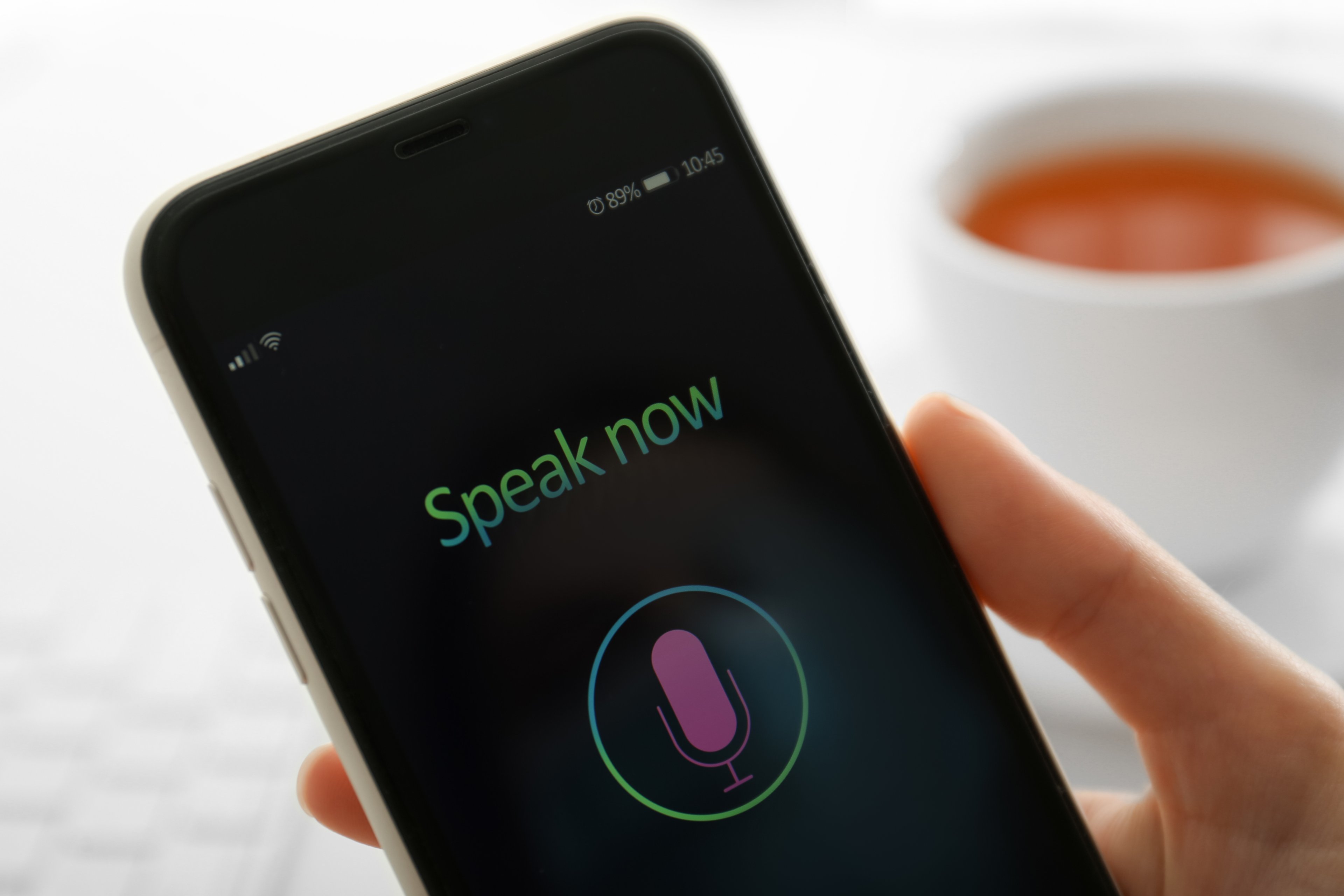
SoundHound AI (SOUN 0.16%) was founded in 2005 by Stanford grad Keyvan Mohajer to recognize music. Today, Mohajer and a co-founder lead the company to bring automation to life and give AI agents a more human edge by understanding and correctly responding to what humans say.
The company's background in audio recognition technology gives it a unique edge. In particular, Amelia is SoundHound's voice AI platform that can handle anything from ordering to troubleshooting. And when integrated with Chat AI Automotive, Amelia enables natural-sounding conversations.
While this is just one way SoundHound is making money by enabling conversations between AI and humans, I see the company's voice technology as being one of the ultimate growth opportunities today.
This is likely why SoundHound's stock soared 700% in the past three years. However, it has recently seen a sharp decline, with prices dropping roughly 32% in the last month and 44% year-to-date. Is now a good time to buy?

Image source: Getty Images.
What's driving SoundHound's growth?
It goes without saying that SoundHound AI's growth is a result of the AI boom. With agentic AI taking over quick-service processes, financial institutions have started to lower their guard and shift their attitudes toward employing AI automation.
In fact, a recent study conducted by Arizent revealed that roughly 70% of industry professionals expect "the technology will be a 'game changer'." And today, as many as 65% of big banks are already using some form of agentic AI, while nearly 95% of the industry wants to keep it deployed.

NASDAQ: SOUN
Key Data Points
As an example of this, SoundHound recently announced a partnership with Telarus, aiming to transform both the customer and employee experience. The Amelia 7 AI Agent and Autonomics platform will join forces with Telarus' technology advisory and services distribution network to connect with the right suppliers and customers, resulting in the greatest impact.
And one final example is a recent partnership with Apivia Courtage to bring agentic AI to the insurance industry. Associations with these industry peers not only provide SoundHound with more exposure but also place it in an advantageous position in areas that the company couldn't reach before.
While growth catalysts are one thing, the financials explain why the stock trades where it does today.
Third-quarter 2025 earnings release
SoundHound's third-quarter 2025 earnings report demonstrated some serious success with record revenue of about $42 million, up over 68% year over year.
Net loss came in at $109.9 million, or $0.27 per share (diluted), 200% worse than analysts called for. This miss on the bottom line was the catalyst that pushed the stock lower in early November. And what this not-so-flashy headline failed to mention was that roughly 60% of it was a result of a non-cash charge related to contingent acquisition liabilities. As a result, $66.2 million was added to the expenses. This was not actual cash that left the bank; it was a marked-to-market repricing.
However, net loss on a non-GAAP basis improved to $13 million -- down from $15.9 million in the same quarter last year. Ultimately, this shows the business is becoming more efficient at squeezing profit from its revenue as it continues to expand. It also suggests that SoundHound investors may finally see a return on capital expenditures (CAPEX) as the path to profitability could finally be on the horizon.
Is it possible? Soundhound is focusing on diversifying its customer base in a big way, which is always a good move, given its $140 billion total addressable market (TAM). Its financials outlined several promising developments in voice commerce, automotive, financial services, Internet of Things (IoT), and robotics markets. After all, companies prefer customers talking to robots rather than live agents because it makes their interactions quicker, easier, and, perhaps most importantly, cheaper. Capturing just a small fraction of this market makes profitability very possible.
Is SoundHound stock a good buy?
A consensus among nine analysts rates SoundHound stock a moderate buy, with an average score of just over four out of five -- a score that's declined over the last few months and reflects the changes in sentiment.
Why? Analysts are bullish, but cautious. SoundHound's potential is so close to being realized. Different industries are already using its technology, and the retail banking world is practically begging to be a part of it, as research shows.
That said, the stock is far from cheap as it trades at a price-to-sales ratio of around 45. If SoundHound can manage to improve its top and bottom lines in the long term, today's stock price could look like a deal.