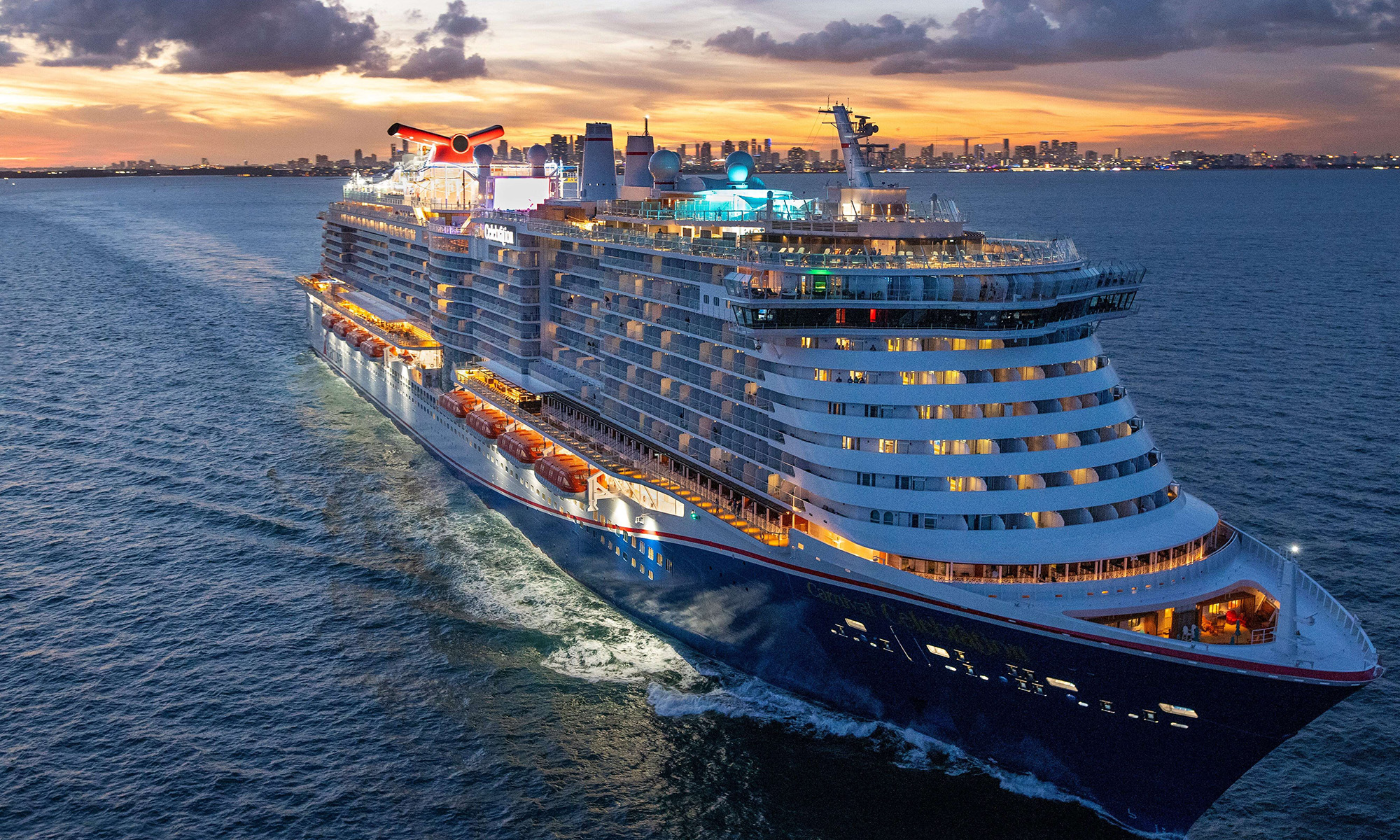
The COVID-19 pandemic was a boon for certain businesses. However, it also dealt a devastating blow to others. Carnival (CCL +0.54%) fell into the latter camp, as its operations were halted temporarily as a safety measure.
Things have improved drastically, though. In the past three years, shares of Carnival have rocketed 158% higher (as of Dec. 3). The market has generally been more bullish on the company, even though this travel stock is 20% below its 52-week high.
Where will Carnival be in five years?
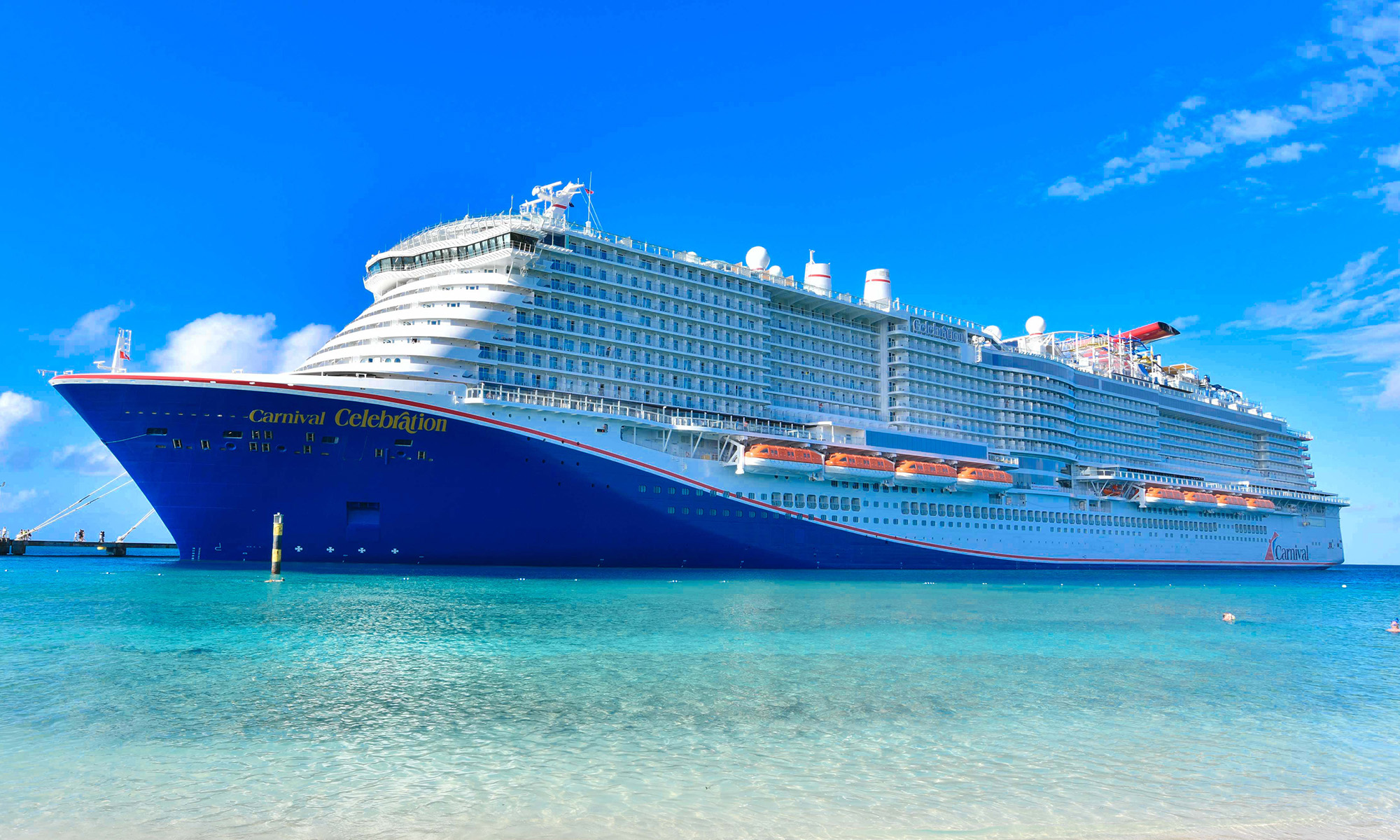
Image source: Carnival.
The growth should continue
During the fiscal 2025 third quarter (ended Aug. 31), Carnival's revenue increased 3% year over year to $8.2 billion. Compared to three years ago, the figure almost doubled. The business is now posting record sales, customer deposits, and net yields (a measure of pricing power), all clearly encouraging signs.
Investors should expect Carnival's top line to continue expanding over the decade, even though the pace will moderate from the bounce-back period since the pandemic. The cruise industry currently represents only a tiny fraction of the overall travel market. Younger customers, as well as first-time cruise travelers, are interested. And these cruise trips are generally more cost efficient than land-based alternatives.
Carnival is looking to capture more demand in the future. It's expanding its fleet, with plans to introduce one to two new ships per year. And it's pushing aggressively into places like Australia and New Zealand. This should allow the company to serve more customers, which supports more revenue over time. Consequently, there's a high likelihood that the business will be larger in 2030.
Carnival's finances are improving
During the worst days of the pandemic, Carnival was in major financial trouble. With operations halted, revenue took a hit, which led to mounting losses. The net loss came in at an alarming $10.2 billion in fiscal 2020. The company had to take on more debt to stay afloat. It's no wonder the stock was under pressure.
But the situation is much better these days. And Carnival's financial picture is improving. Its net income totaled $2.4 billion in the last three quarters. Rising profits are obviously something that shareholders want to see. Wall Street consensus analyst estimates predict that earning per share will increase at a compound annual rate of 13.2% between fiscal 2025 and fiscal 2027. Double-digit growth could continue after this forecast period.
As of Aug. 31, Carnival still had $26.5 billion of total debt on its balance sheet. Of course, this is a huge sum, as it equates to 79% of the company's entire market cap. But management has steadily paid this debt down, and it's well below the peak from nearly three years ago. The company refinanced $11 billion of debt just in 2025. And the major credit rating agencies have all issued upgrades in recent quarters.

NYSE: CCL
Key Data Points
Can the stock beat the market?
Over the past five years, shares of Carnival have climbed by only 22%. It was definitely a turbulent period to navigate. But this performance, although it's positive, comes up meaningfully short of the S&P 500. The widely followed benchmark produced a total return of 100% in that time.
Investors want a better outcome over the next five years. Earnings growth is one tailwind that can drive the stock price. As mentioned, Carnival is on track to generate more profits in 2030.
Another critical factor to think about is the valuation. Pay too high of a price, and it can get in the way of potential returns. Thankfully, Carnival stock isn't expensive today. It trades at a price-to-earnings of 13.4. This adds potential upside.
I'm optimistic that this cruise stock can beat the market between now and 2030. This makes it a worthy investment candidate for investors with a five-year holding period to consider.