After dropping more than 50% from its mid-October highs, The Metals Company (TMC 2.12%) hit a critical rebound at the end of November. While not quite at its 52-week high, the stock has gained 16% over the last month, with an astonishing 470% gain on the year.

NASDAQ: TMC
Key Data Points
Although a gain like that usually signals a major fundamental shift, in TMC's case, it mainly reflects optimism about future demand for metals as the U.S. tries to reduce its reliance on China.
The policy tailwinds in TMC's sails
That optimism isn't coming out of left field.
In April, the White House issued an executive order (EO) explicitly targeting offshore critical minerals and deep-sea resources. Citing a "national security" interest, the EO called for the acceleration of "responsible development of seabed mineral resources," which was music to TMC's ears.
Prior to this support from the White House, TMC was at an impasse.
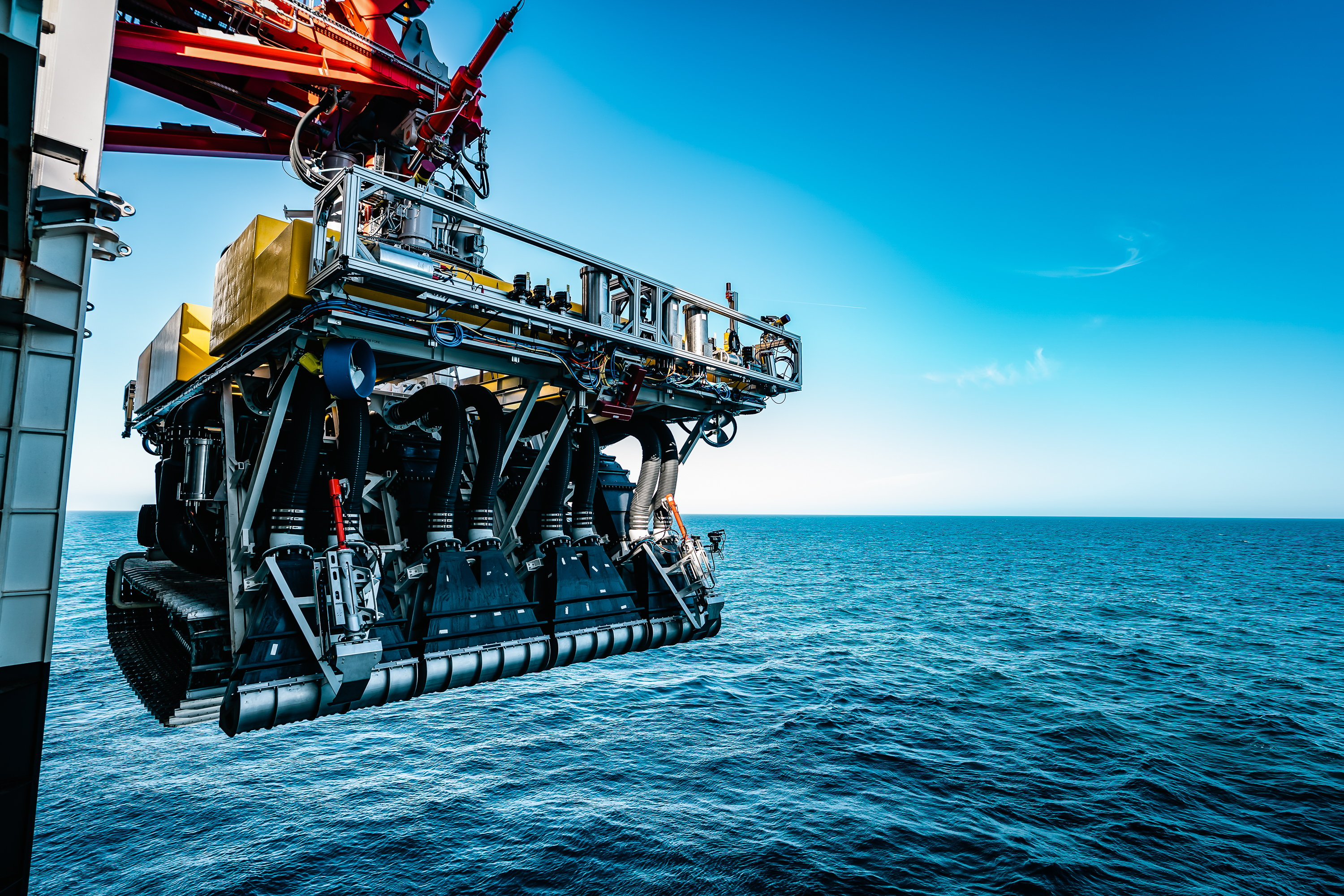
While the company has demonstrated that its deep-sea mining technology is operational, it lacks the go-ahead from the International Seabed Authority (ISA) to mine critical minerals from the sea.
What's worse is that the ISA has not adopted a final regulatory rulebook for commercial seabed mining. Until the rulebook is finalized, companies like TMC are stuck looking at billions of dollars of critical minerals with no clear path to extract them.
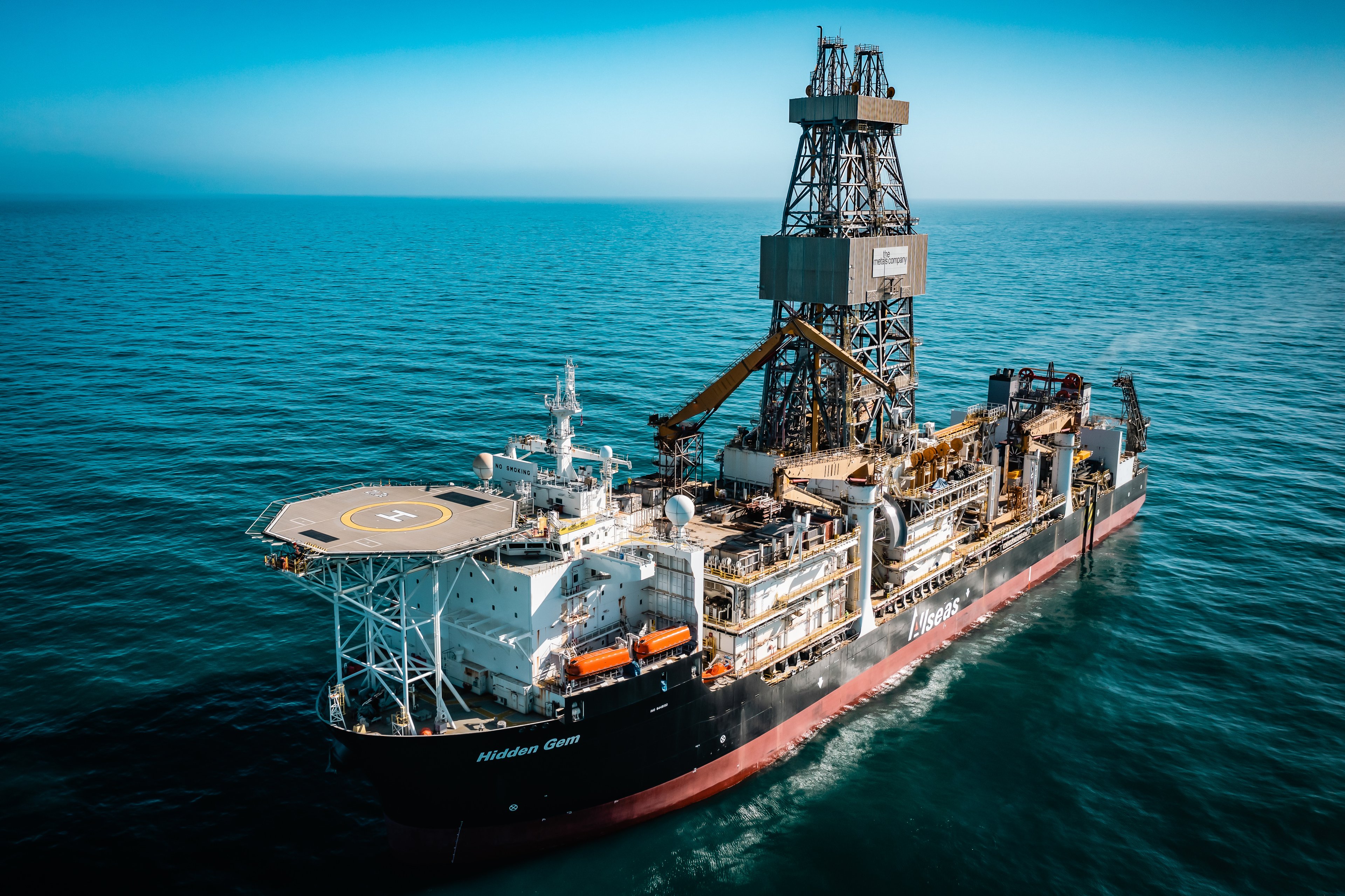
Image source: The Metals Company.
The U.S., however, never ratified the treaty that created the ISA and could, in theory, pursue its own interests over the agency's. That could create a political fiasco later, but for the moment, TMC is exploring a U.S. path that could see it mining the seabed commercially earlier than anticipated.
Its operations seem even more urgent in today's climate. The U.S., in an attempt to reduce its dependence on China, has stitched together a web of critical minerals agreements with allies like Australia, Japan, Thailand, Malaysia, and others.
The company still has no commercial revenue. But because of its immense resource base, investors are optimistic that its role in the U.S. supply chain is just beginning.