A lot can happen with the stock market during the last two and a half weeks of the year. Stocks could tank in a year-end meltdown. A powerful surge may begin. Or the S&P 500 (^GSPC 1.07%) could finish 2025 with a gain close to where it is now.
If I had to place a bet, I'd put my money on the third scenario occurring. Assuming I'm right (or I'm wrong but a strong Santa Claus rally takes hold), the S&P 500 will do something that has only happened eight times in the last 100 years.

SNPINDEX: ^GSPC
Key Data Points
Three times a charm
What is this relatively rare feat that the S&P 500 might be about to pull off? Delivering a gain of at least 15% for three years in a row.
The S&P 500's roots as a daily composite index of stocks date back to 1926. It initially tracked only 90 stocks. Over the following years, more stocks were added. In 1957, the S&P 500 was established in its current form with the stocks of 500 U.S. companies. (By the way, the number of stocks in the index is higher than 500 due to a few companies listing multiple share classes.)
During the 100 years as a daily stock index, the S&P has gained at least 15% roughly half the time. However, putting together three consecutive years of such returns has proven to be much more difficult.
As previously alluded to, this feat has occurred only eight times. Since the S&P 500 existed in its current form with 500 members, a three-year streak of 15% or more gains has happened only four times.
How stocks have historically performed following a 3-year hot streak
The predecessor to the S&P 500 first delivered gains of at least 15% for three consecutive years between 1942 and 1944. With the U.S. still in a wartime economy, the index soared another 36% in 1945. That return notched the second three-year streak of 15% or more gains.
However, history buffs know that World War II ended in 1945. The factories that had been running at full capacity to produce equipment, supplies, and weapons needed for the military slowed down. In 1946, the early version of the S&P 500 declined by roughly 8%.
A few years passed before another bull market began. From 1949 through 1951, the index again rose by at least 15% each year. This momentum continued into 1952, with an 18% gain, which provided another three-year streak of returns of 15% or more. But the stock market's sizzle fizzled somewhat. In 1953, the S&P 500's predecessor slipped by nearly 1%.
Investors had to wait more than four decades for the next S&P 500 hot streak. Between 1995 and 1997, the index soared more than 20% each year. It jumped more than 28% in 1998 and roughly 21% in 1999. The roaring '90s provided three consecutive three-year periods of returns of 15% or greater. Then the dot-com bubble burst, with the S&P 500 tumbling 9% in 1999.
That brings us to the last official three-year streak of 15% or more gains. It occurred between 2019 and 2021, with the so-called "Magnificent Seven" stocks leading the market. However, a bear market in 2022 ended the fun for investors, as the S&P 500 sank 18%.

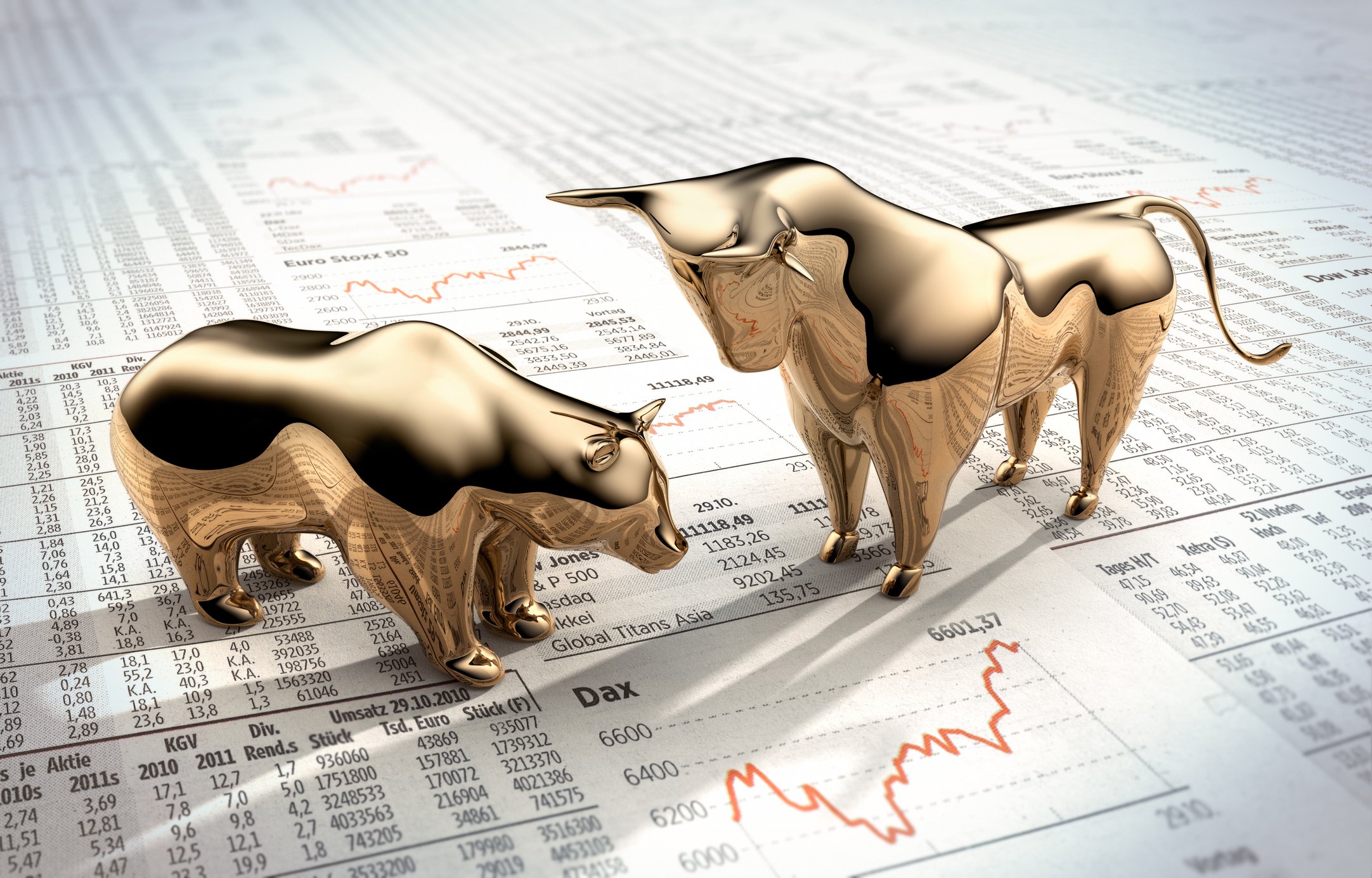
Image source: Getty Images.
What's in store for 2026?
You may have noticed that there is no clear historical pattern regarding what happens after the S&P 500 rises by 15% or more for three consecutive years. In four cases, the index maintained its momentum. In the other four periods, though, the S&P 500 declined at the end of a three-year winning streak.
What's in store for 2026 if the S&P 500 finished 2025 up by at least 15%? If history is any guide, there's no way to know. Actually, there's no way to know how stocks will perform, even if we disregard all historical data.
The more important trend for investors to notice is that the S&P 500 has risen more than it has declined. Whatever happens next year, buying and holding top stocks should pay off over the long term.