Consumers are looking for bargains today. That fact is highlighted by Dollar Tree (DLTR +0.19%), which is seeing more and more shoppers from higher income brackets. However, Costco (COST 0.41%) is also a leader in providing products at attractive prices. Which one is the better investment right now?
Very different business models
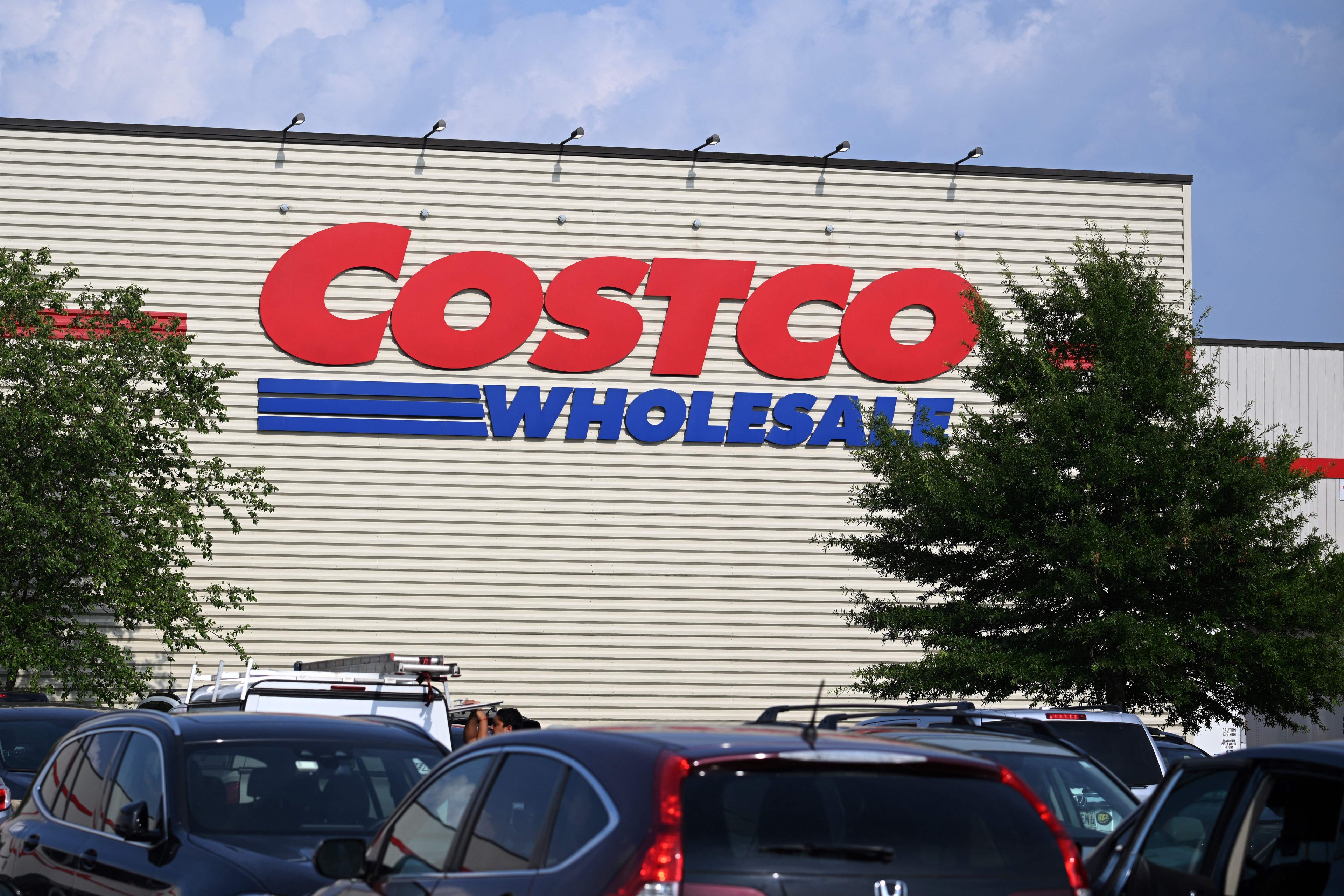
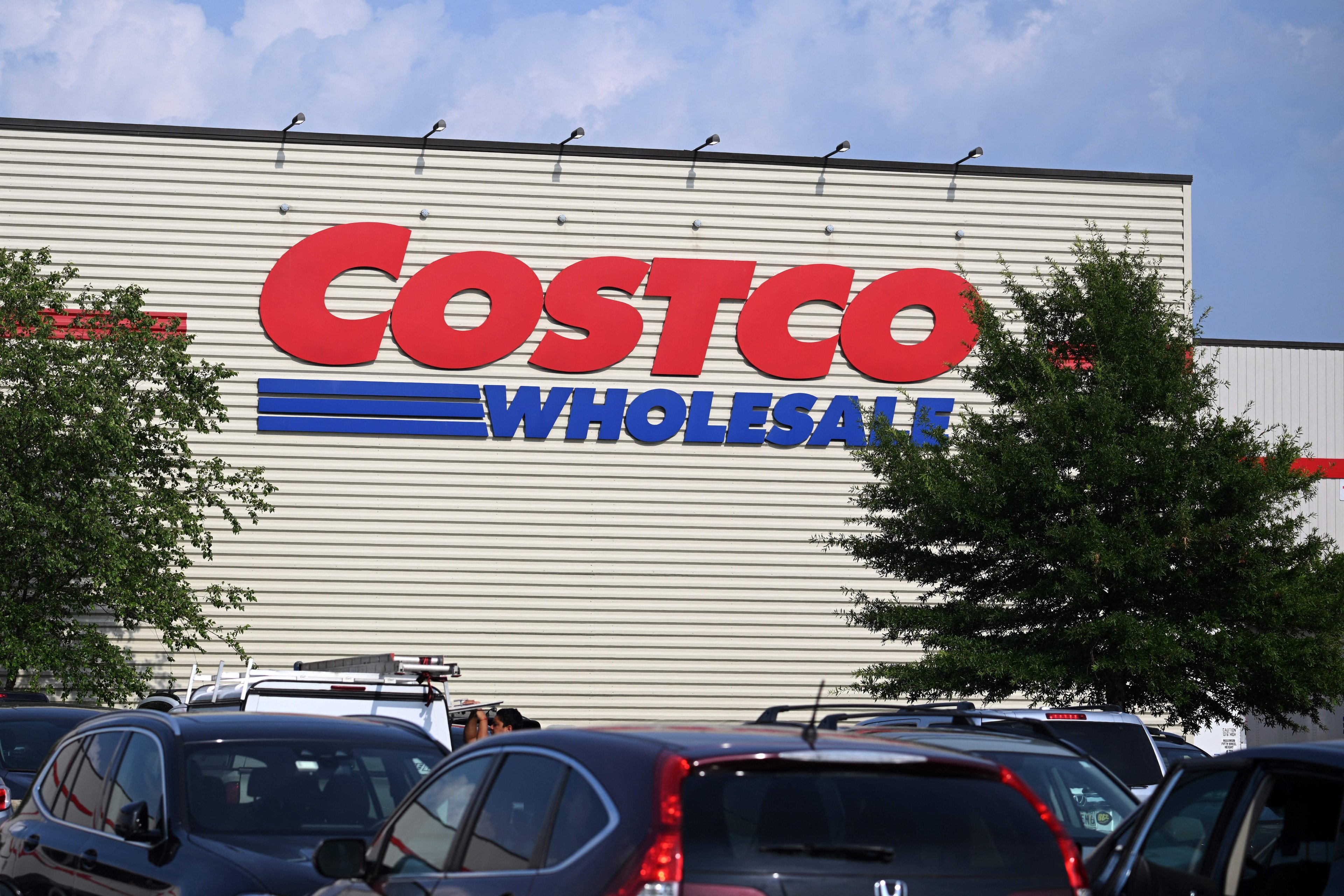
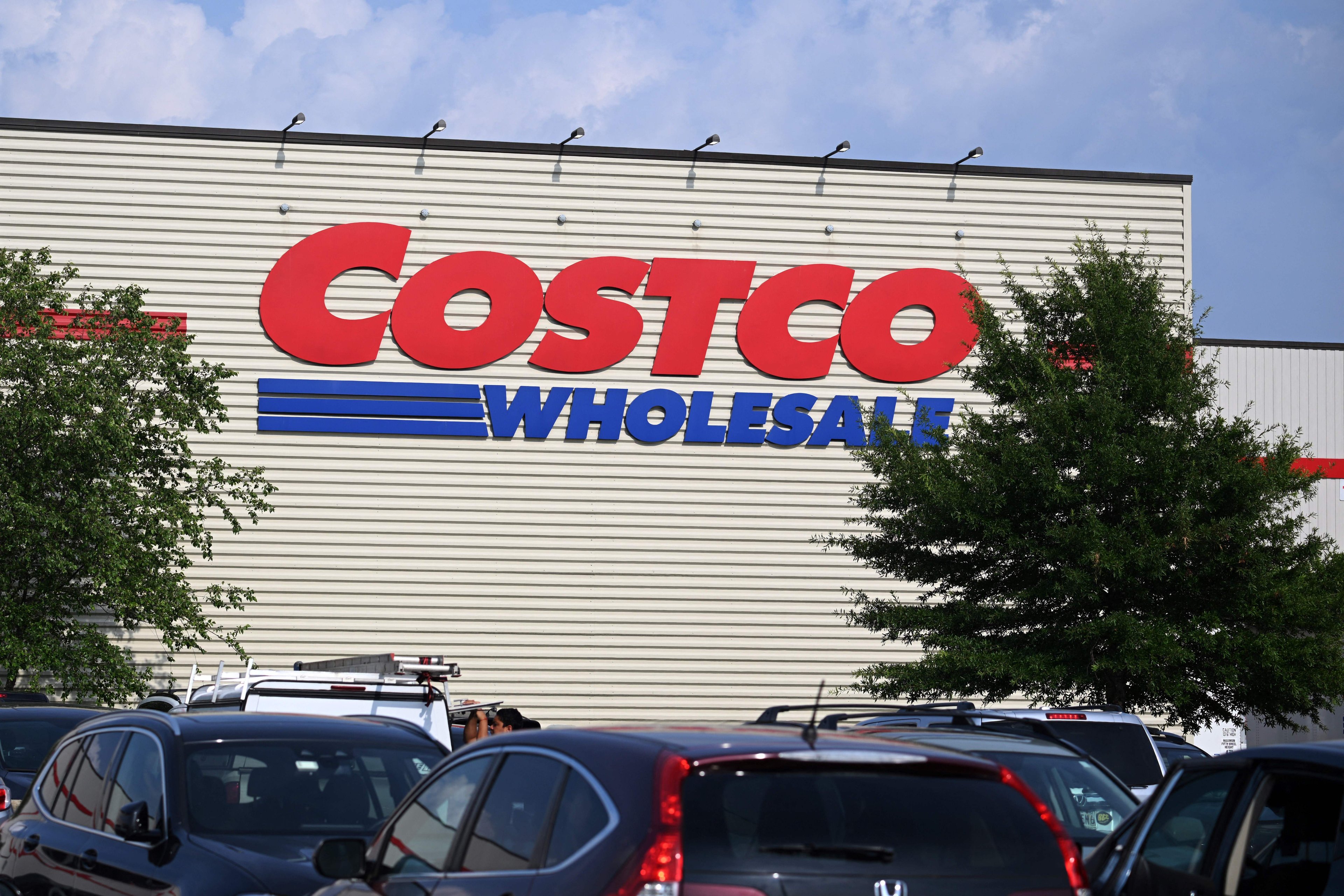
Costco is a club store, so consumers pay a yearly membership fee for the privilege of shopping in the retailer's warehouses. That fee makes up roughly half of the company's operating income. There is very little cost associated with memberships, so that income flows right into gross profit and earnings. However, this annuity-like income source also empowers the company to accept lower margins on the goods it sells. That allows Costco to offer prices so low that customers want to keep coming back, and paying their membership fees.

Image source: Getty Images.
Dollar Tree is really just a traditional retailer. It sells products at a low price point, which is the main draw for consumers. However, it has to lure customers into its stores based on its product offerings and price points. While Costco and Dollar Tree could both fall out of favor with consumers, Dollar Tree is more exposed to the risk of customers choosing to shop at a different store concept.
Both are doing well right now
Costco just reported strong fiscal second-quarter 2026 earnings. Same-store sales rose 6.4%, with traffic up 3.1%. Dollar Tree's comparable quarter, which was the third quarter of 2025, saw same store sales jump 4.2%. During the earnings call, management highlighted that it was seeing an increasing number of higher-income shoppers.

NASDAQ: COST
Key Data Points
That's an important distinction between Costco and Dollar Tree. Dollar Tree benefits from consumers who trade down. In the quarter, the company estimated that three million new households shopped at a Dollar Tree, 60% of which earned more than $100,000. Those customers are likely coming from retailers like Target, which offers a more premium shopping experience. Target's same-store sales fell 2.7% in the third quarter of 2025.
The big takeaway here is that trade-down customers can, and likely will, trade back up to a more premium shopping experience when they are less worried about the economy. By contrast, shopping at Costco is a long-term commitment. Although the selection at Costco is highly curated, the products are generally of high quality. Dollar Tree's stores are filled with lower-quality products that are inexpensive to purchase, although the company is working to upgrade its product assortment. However, higher-quality products also come with higher price tags, which shifts the low-price proposition to which consumers have long been attracted.
If the economy strengthens, it seems more likely that Costco's business will continue to thrive. Dollar Tree, however, could find that it loses the wealthier customers who are currently benefiting its business.

NASDAQ: DLTR
Key Data Points
The valuation is high in both cases
In general, Costco's club store model appears to be better positioned for long-term success. Investors are well aware of this fact, bidding the stock up to the point where it has a price-to-earnings ratio of 47 times. Dollar Tree's P/E ratio is a far lower 24.5 times. However, Costco's five-year average P/E is roughly 44 times, and Dollar Tree's five-year average P/E is about 21 times. Both stocks look expensive relative to their own histories.
If you are a value-focused investor, you likely won't want to invest in either of these retailers. Target would likely be a better choice, with its P/E of roughly 12 times below its five-year average of around 16 times. Growth investors, meanwhile, should probably tread with caution when considering Dollar Tree given its business model. And only aggressive growth investors will likely want to risk the lofty valuation being afforded to Costco, even though its business model and financial results are quite attractive.
Put Costco on the wish list, tread carefully with Dollar Tree
There's one more wrinkle when comparing Costco and Dollar Tree. Costco's business approach has remained consistent for decades: offering good products at low prices and opening new stores. Dollar Tree's most recent move, to expand its product assortment to include higher-priced items, comes after the disastrous acquisition of Family Dollar. That effort at growth came to an end in 2025 as Dollar Tree sold the store concept for billions less than it paid.
With a business model that has a proven track record, Costco will likely appeal to more investors. That said, most investors should probably put it on the wish list given its lofty valuation. If you do buy it right now, be prepared to hold for the long term. Paying a premium and holding has worked out well for Costco shareholders so far, but the current 15% drawdown could have further to run based on the stock's trading history.