AbbVie (ABBV +0.96%) is an investment that is full of contradictions. It has a strong pharmaceutical business, but the third quarter of 2025 was terrible on the earnings front. It has an attractive 3% dividend yield, but it is near the low side of the historical yield range. Given the pros and cons, could buying AbbVie now help you build a million-dollar portfolio?
What does AbbVie do?
AbbVie is a pharmaceutical company. With a market cap of $400 billion, it is a substantial competitor in the industry. Its core focus is on immunology, oncology, neuroscience, and aesthetics. You may be familiar with some of its well-known brand-name drugs, including Humira and Botox. There's an interesting dichotomy here.

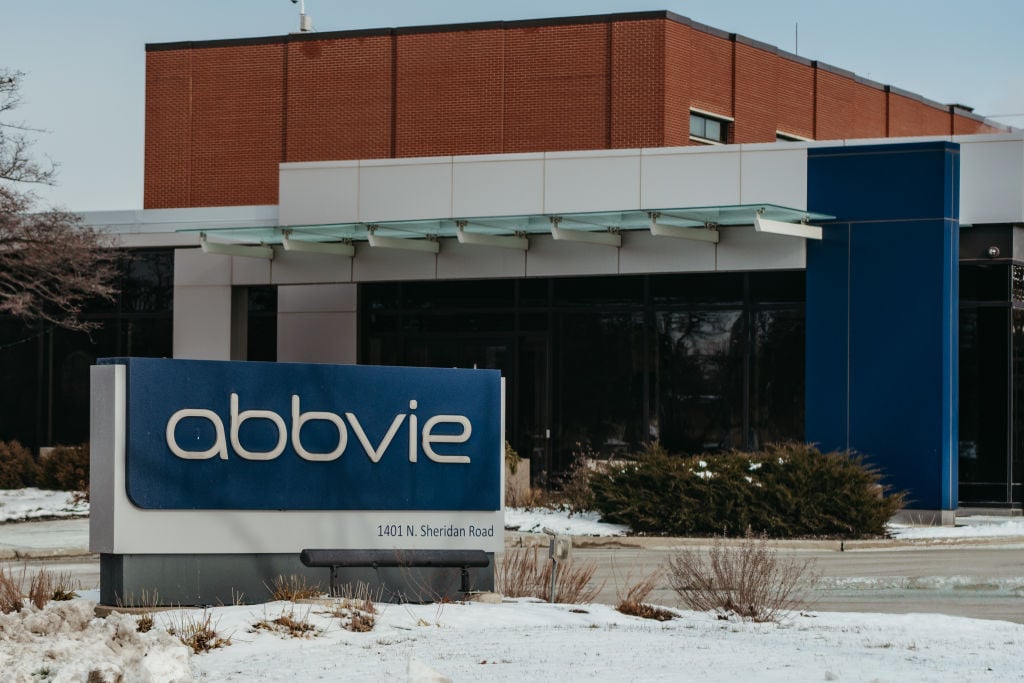
Image source: Getty Images.
As a branded drug company, AbbVie must invest substantial resources and time in finding, developing, and obtaining approval for new drugs. It is granted a limited patent on new drugs as compensation for the costs and efforts involved in developing new drugs. When those patent protections expire, however, revenues can decline dramatically, falling over what is known as a patent cliff. AbbVie is continually developing a pipeline of new drugs.
And yet, at the same time, there's Botox, which is off patent. The Botox brand is so strong that AbbVie still enjoys significant demand for this drug, which is primarily used for aesthetic purposes. Essentially, AbbVie has an interesting balance and diversification in its business that sets it apart from many of its peers.
The contradictions within AbbVie don't end there.
AbbVie had a rough quarter, but it isn't cheap
From a foundational perspective, there are aspects to appreciate about AbbVie. However, if you looked at the income statement in the third quarter of 2025, you might want to run for the hills. The company's GAAP earnings fell 88%, while adjusted earnings dropped a still significant 38%. Yet revenue rose 9%. A charge related to acquisitions was what resulted in the terrible earnings numbers.
Meanwhile, investors would have been happy to see that AbbVie raised its full-year 2025 earnings guidance. And the company announced a 5.5% dividend increase for 2026. So, all in all, the quarter wasn't as bad as the earnings results may have suggested.

NYSE: ABBV
Key Data Points
Wall Street actually remains fairly upbeat on the stock, which is trading within 10% of its all-time highs. The dividend yield is near the low end of the historical yield range. And yet the roughly 3% dividend yield is actually a fairly attractive number when compared to the S&P 500's tiny 1.1% yield and the average drugmaker's yield of 1.3%. The contradictions never seem to stop.
Using more traditional valuation metrics, meanwhile, hints at a high price. The price-to-sales and price-to-earnings ratios are both above their five-year averages. Even the forward P/E ratio is above its longer-term average. The trend here is pretty clear: AbbVie is expensive today. However, the aforementioned one-time charges that crimped earnings have also ballooned the P/E, so the valuation may not be as extreme as some of these metrics suggest.
Should you buy AbbVie today?
AbbVie is a well-run drugmaker with an interesting and diversified business. Despite a rough third quarter, the company appears to be performing reasonably well right now. And Wall Street appears aware of the company's operating success, even though the stock still offers an attractive yield on an absolute basis.
A long-term investor could probably happily own AbbVie in their portfolio, hoping it will help build a million-dollar nest egg. However, given the valuation, it might be more prudent for most investors to err on the side of caution and keep it on the wish list until traditional valuation metrics are more attractive.