The S&P 500 (^GSPC +0.64%) is on track to produce another year of above-average gains for investors in 2025. After climbing 24% in 2023 and 23% in 2024, the index is up another 16% in 2025 as of this writing.
And analysts are optimistic about 2026 as well. Using a bottom-up approach of aggregating the analyst price targets of each stock in the S&P 500 suggests the index could climb to 7,969 by the end of next year. Overall estimates range from 7,100 to 8,100, suggesting stocks will rise somewhere between 4% and 19% from the current level.
However, investors expecting returns that will push their portfolio values steadily higher in 2026 may be in for a rude awakening. In fact, despite analyst sentiment, odds are good that the S&P 500 will fall 10% in 2026.
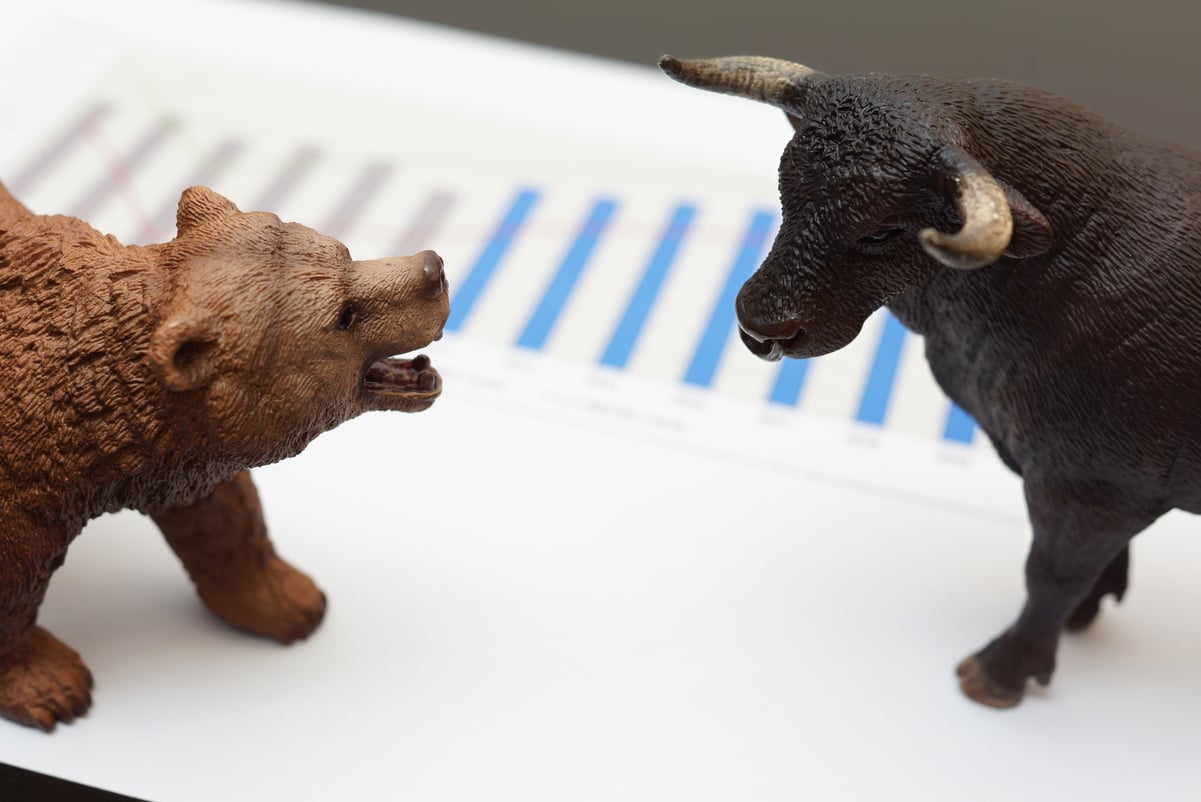
Image source: Getty Images.
Stocks don't go up in a straight line forever
Anyone who's ever invested a dollar in the stock market knows stocks don't go up in a straight line. Stock prices are constantly changing every second of every hour the markets are open. That results in ups and downs in prices, and stocks can move wildly when new information comes out, like an earnings report.
As a result, stocks move up and down during the normal course of a year. While the investor default is for an optimistic future (why would they invest if they weren't optimistic?), sometimes a news item rattles that confidence, and stocks sell off. It happens every year. Stocks don't hit a new all-time high every day. The median drawdown from an all-time high (or start of the year) in the S&P 500 since 1980 is 10.4%.
Historically speaking, there's a 50% chance the S&P 500 drops 10% (or more) at some point in 2026. Adding to that, the average time between corrections is about once every 18 months. The last correction came in April of 2025, so it would be perfectly average if the index had another correction in late 2026.
Of course, the S&P 500 often ignores averages. Just because the index has dropped 10% or more in about half of the years since 1980 doesn't mean it's likely to occur again in 2026. But a few additional market metrics suggest it's more likely than in an average year.

SNPINDEX: ^GSPC
Key Data Points
Why stocks are poised to drop
After climbing for three straight years on the back of excitement around artificial intelligence and the potential productivity gains to be had for businesses across all sorts of industries, the S&P 500 looks expensive. While some companies have seen an immediate and direct impact on their bottom lines from improvements in artificial intelligence and the growing spending of a handful of giant tech companies, many stocks have merely been caught up in the excitement.
As a result, the S&P 500's forward P/E ratio sits above 22, which is around its high in 2021 (ahead of the 2022 bear market) and previously seen amid the dot-com bubble. Likewise, the CAPE ratio, which takes a longer look at earnings and adjusts for inflation, has climbed above 40. The index has only reached that level once before, at the turn of the century.
High valuations in and of themselves won't cause stocks to drop. But they can exacerbate falls caused by bad news. And bad news can come in lots of forms in 2026. One of the hyperscalers could report a slowdown in growth and adjust its spending plans accordingly. With AI spending propping up GDP, that could have a reverberating effect on the important economic metric. The Federal Reserve might not cut rates as expected in 2026. We've already seen a growing number of dissenting votes during recent Federal Open Market Committee meetings. Or the U.S. could face growing geopolitical uncertainty due to politicians' unpredictability, just as we saw when President Trump announced retaliatory tariffs in April.
With the high valuations in the market, any bad news could easily trigger a correction of 10% or more.
The lesson to learn from recent 10% drops
As mentioned, it's not uncommon for the S&P 500 to drop 10% or more in a given year. In fact, it happened this year. It also happened in 2023, 2022, and 2020. But stocks were quick to recover in most cases.
After falling nearly 20% from mid-February to early April this year, the S&P 500 rose to a new all-time high by the end of June, on its way to about a 16% return so far this year. Likewise, drops of 10% in 2023 and 34% in 2020 saw quick recoveries, with the index climbing 24% and 16%, respectively, for the year. 2022 was an extended bear market, falling from January through mid-October; however, the cumulative recovery since then has been one of the strongest bull markets on record.
That is to say, whenever stocks have dropped 10% or more, it's always proven to be a great opportunity to invest more.
But investors shouldn't sit on their hands waiting for a correction. Just because the market looks expensive and the odds seem good that the index will see a correction in 2026, there's no guarantee that will actually be the case.
Searching for stocks that currently trade for good value could protect you from the downside of a potential correction while allowing you to participate in the long upward march of the stock market if that correction takes a long time to materialize. That said, an S&P 500 index fund can provide good results and remove the need for decision-making. After all, Wall Street analysts think 2026 will produce returns between 5% and 20% if you simply hold the index fund through any drawdowns, whether they're big or small.