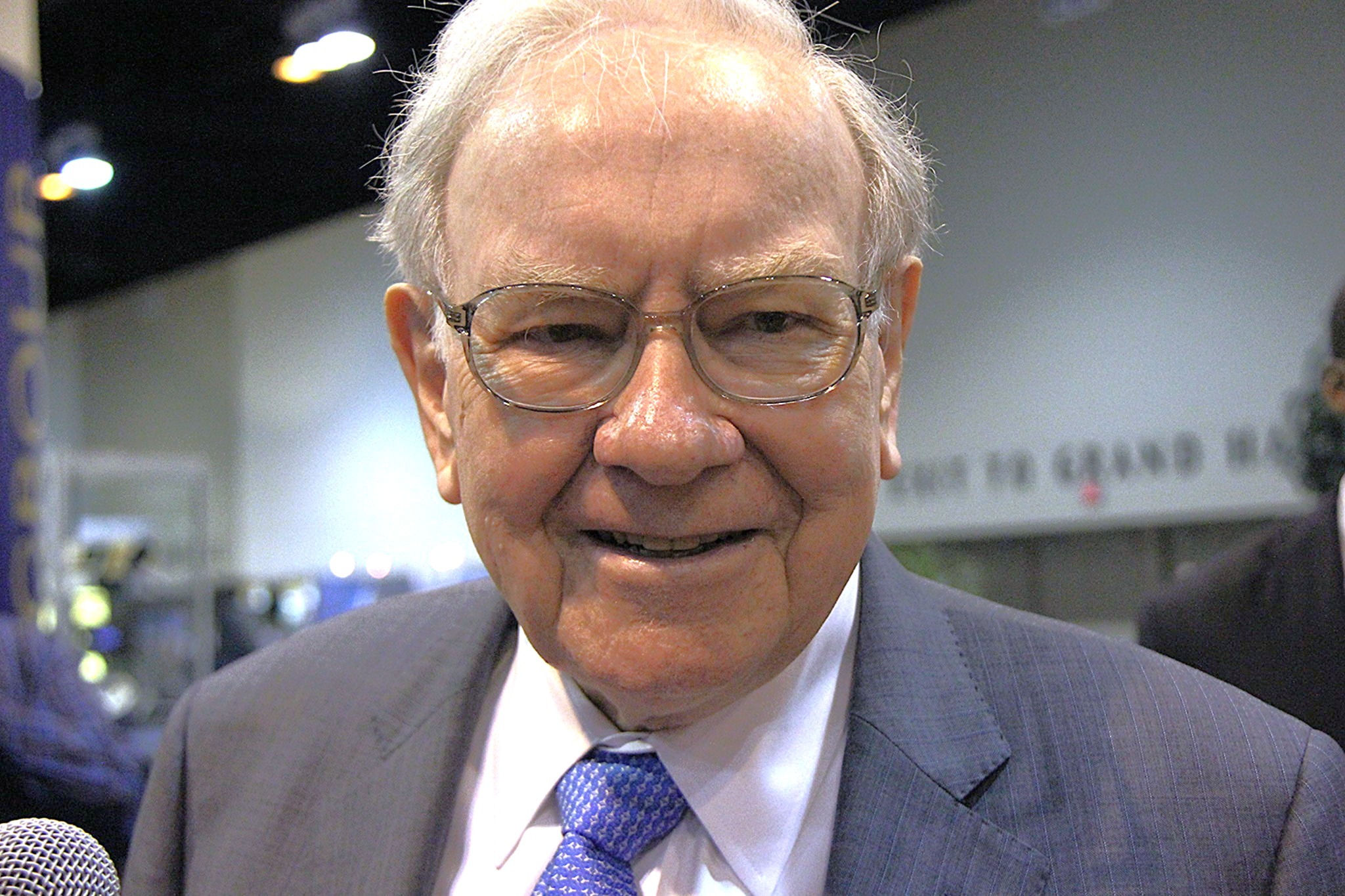
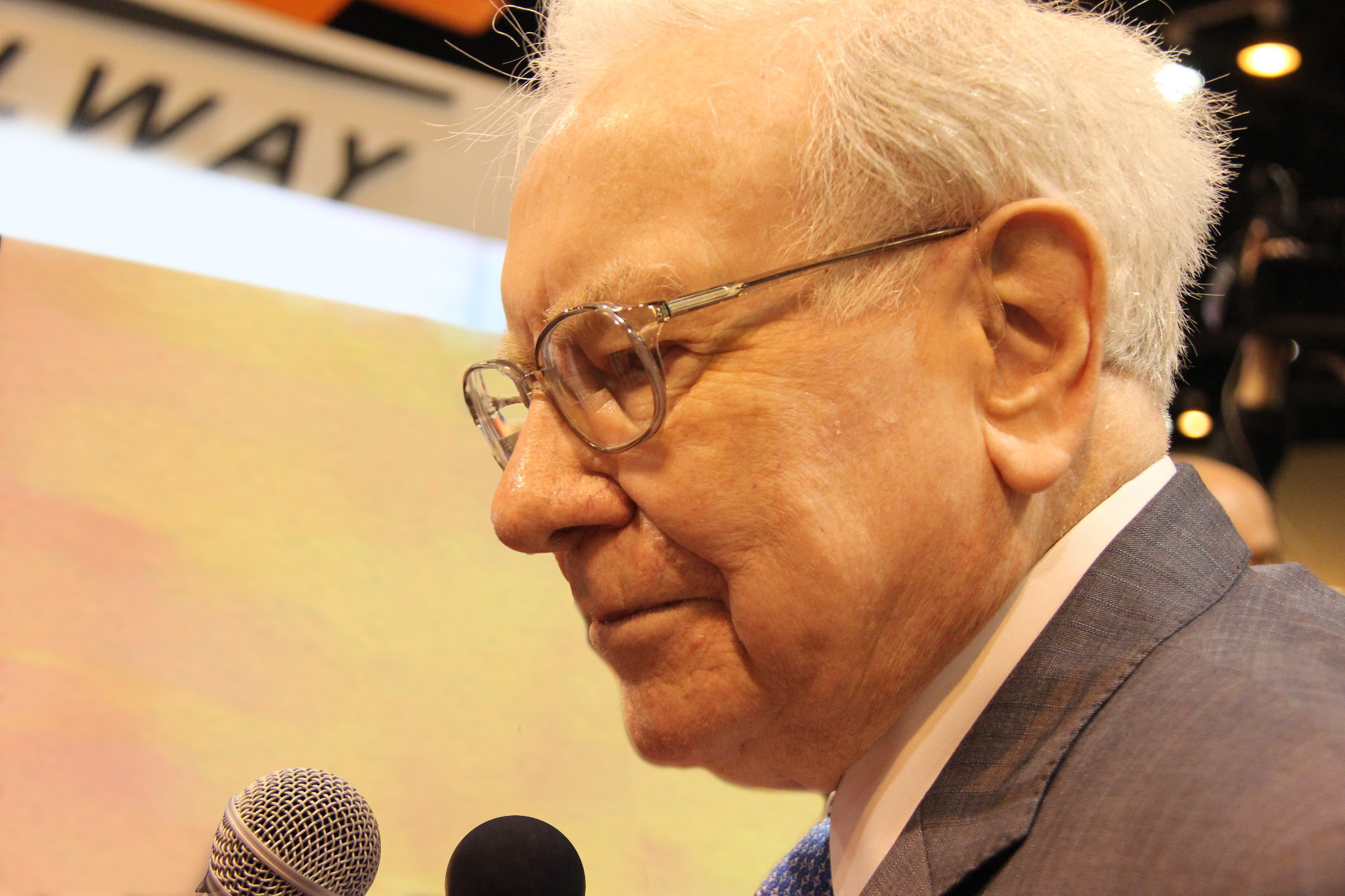
At the end of this year, Warren Buffett will finally retire from leading Berkshire Hathaway (BRK.A +0.09%)(BRK.B +0.17%) after being at the helm since 1965. The investing world will surely look different without Buffett, but it has been a legendary run for Buffett and Berkshire Hathaway in that time.
Buffett and his managers have turned Berkshire Hathaway into a trillion-dollar company and made a lot of its investors a lot of money along the way. Unfortunately, this year hasn't been one of Berkshire Hathaway's best, up just over 9% through Dec. 19. Granted, that's not a bad performance thus far. However, it's underperforming the S&P 500, which is up around 16%.
Image source: Getty Images.
It's not common, but it happens
From 1965 to 2024, Berkshire Hathaway has only underperformed the S&P 500 for a full year 20 times. Below are the years when it has happened.
| Year | Berkshire Hathaway Returns | S&P 500 Returns |
|---|---|---|
| 2023 | 15.8% | 26.3% |
| 2020 | 2.4% | 18.4% |
| 2019 | 11% | 31.5% |
| 2015 | (12.5%) | 1.4% |
| 2011 | (4.7%) | 2.1% |
| 2009 | 2.7% | 26.5% |
| 2005 | 0.8% | 4.9% |
| 2004 | 4.3% | 10.9% |
| 2003 | 15.8% | 28.7% |
| 1999 | (19.9%) | 21% |
| 1996 | 6.2% | 23% |
| 1990 | (23.1%) | (3.1%) |
| 1987 | 4.6% | 5.1% |
| 1986 | 14.2% | 18.6% |
| 1984 | (2.7%) | 6.1% |
| 1975 | 2.5% | 37.2% |
| 1974 | (48.7%) | (26.4%) |
| 1972 | 8.1% | 18.9% |
| 1970 | (4.6%) | 3.9% |
| 1967 | 13.3% | 30.9% |
Source: Berkshire Hathaway 2024 annual report.
Berkshire Hathaway stock is built for sustainability, not necessarily for high growth. It tends to underperform when the market is in a mania phase, as may currently be the case with artificial intelligence (AI). Past examples include the rebound after the 2008 financial crisis, the peak of the dot-com bubble, and the 1975 post-recession bounceback.
Despite underperforming 20 times since 1965, there is one key stat that matters most: Berkshire Hathaway's total gains from 1965 to 2024 were over 5,500,000% compared to the S&P 500's 39,000%. That's an annual average of 19.9% compared to 10.4%. And that's including the S&P 500's dividend payouts, which Berkshire Hathaway doesn't pay.
Should investors be worried about Berkshire Hathaway?
The simple answer to this question is undoubtedly no. Despite 2026's underperformance, the company is well built for the future.
While most of the attention is placed on Berkshire Hathaway's investments, the company has a solid core of brick-and-mortar businesses that keep money flowing regardless of broader market trends. It has top-tier insurance businesses in GEICO and National Indemnity; Burlington Northern Santa Fe is the largest freight railroad in the United States; and Berkshire Hathaway Energy is a holding company with a massive reach across the country.
These are stable businesses that generate consistent, reliable cash flow and have helped Berkshire Hathaway as a whole grow. Add to that the billions the company makes in dividends every year, and you get a company that's in good shape despite the current underperformance.

NYSE: BRK.B
Key Data Points
It also helps that when Greg Abel takes over as Berkshire Hathaway CEO in 2026, he will have a $377 billion war chest at his disposal. At the end of the third quarter, Berkshire Hathaway had over $72 billion in cash and cash equivalents, and over $305 billion in U.S. Treasury bills (T-bills).
This is a record cash pile and is the result of Berkshire Hathaway being a net seller of shares over the past couple of years. Having nearly $380 billion at your disposal is quite the warm welcome and leaves the door open for home run investments when the time is right, as well as an overall comfortable safety net.
If you're worried about Berkshire Hathaway post-Buffett, you shouldn't be. This move has been years in the making, and Buffett has personally picked Abel to lead the company. If he's good enough for Buffett, he deserves the benefit of the doubt and investors' patience.