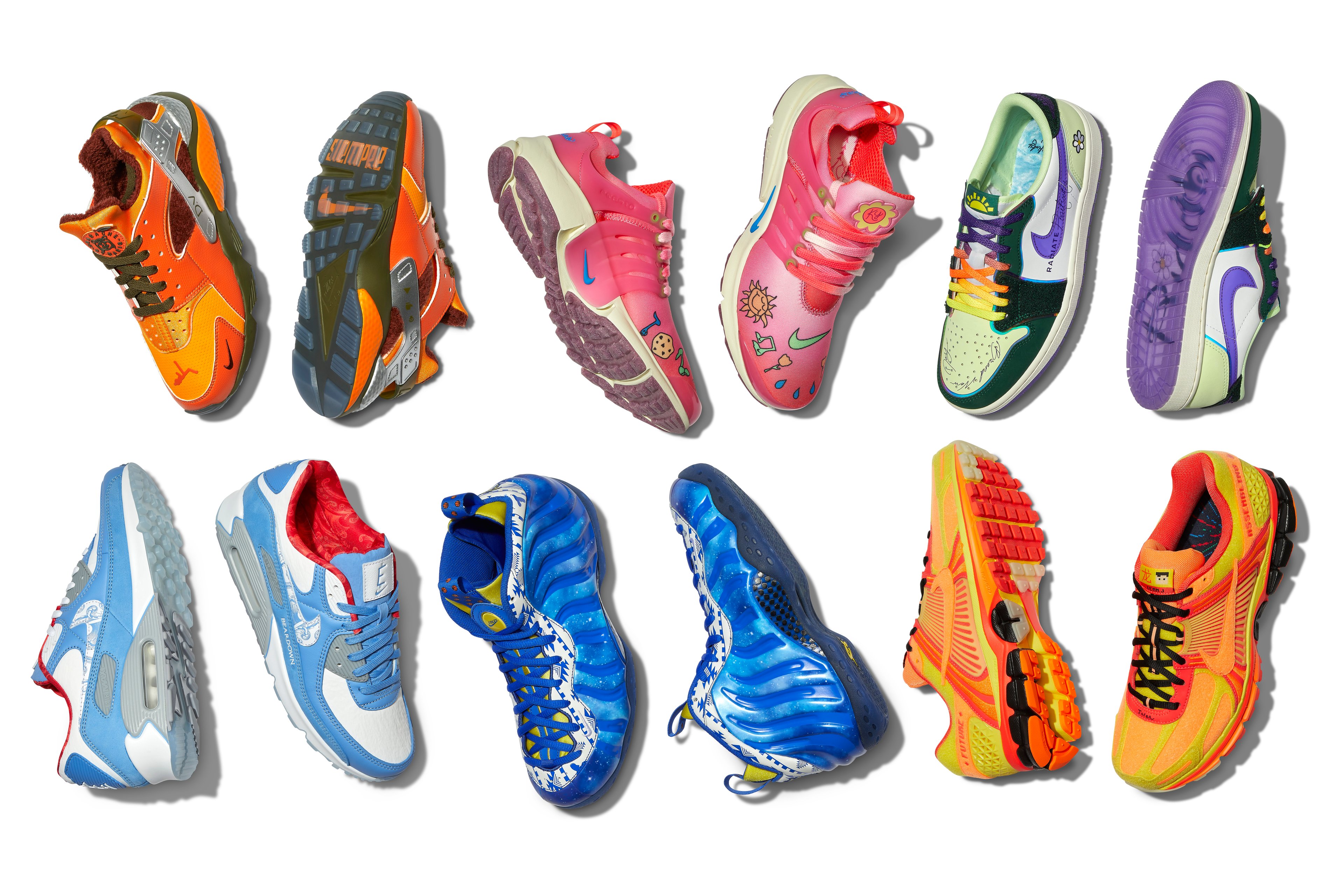
Nike (NKE 2.01%) shareholders are ready to move on from this year. In 2025, this consumer discretionary stock has generated a total return of negative 21% (as of Dec. 19). At the same time, the S&P 500's total return has been 18%. Nike has been trying to get its business on the right track, but the market isn't yet bullish, as shares trade 67% below their peak from November 2021.
If you're interested in Nike, here's what to watch in 2026.
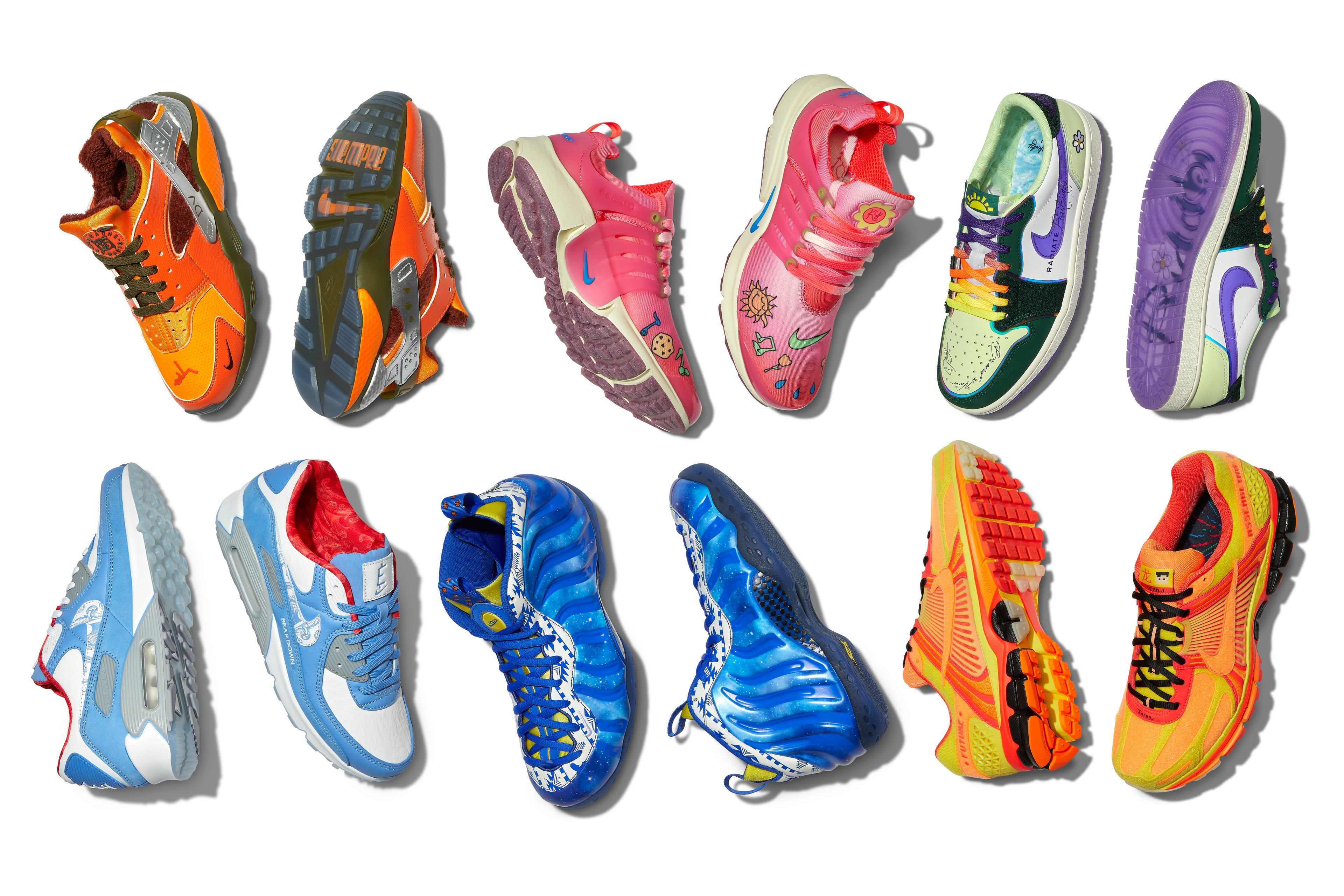
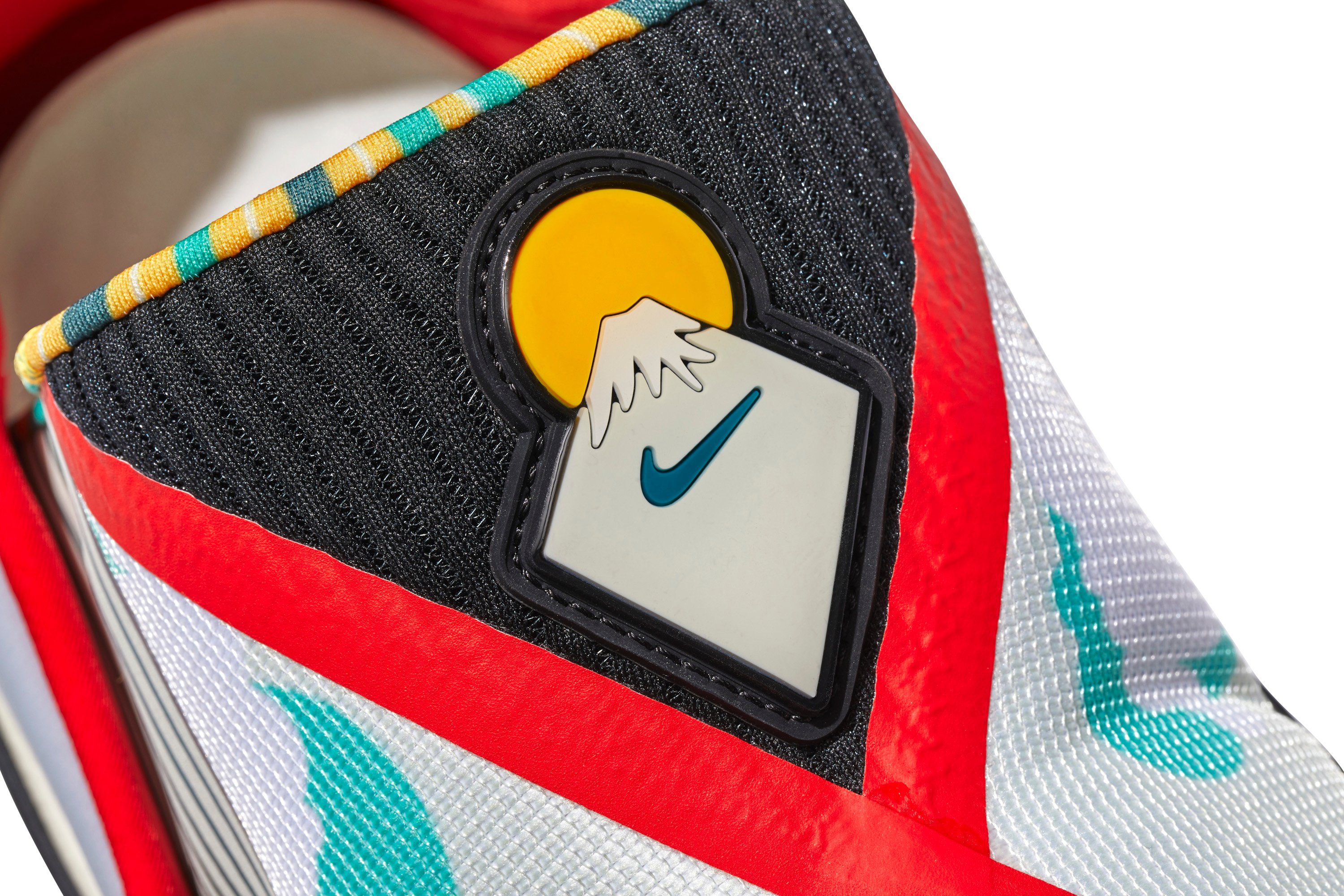
Image source: Nike.
Issues in China are hard to ignore
In second-quarter 2026 (ended Nov. 30, 2025), Nike collected $1.4 billion in revenue from its China segment, representing 11% of the company's total. But the country is currently a weak spot, with sales declining 17% year over year in the quarter. Nike is facing weak demand in China, even though there is a massive middle class there.
"China continues to stand out as one of the most powerful long-term opportunities in sport," CEO Elliott Hill said on the Q2 2026 earnings call. "That has not changed."
Nike's issues in China are hard to ignore, and they might be a reason to worry. Athleisure pioneer Lululemon posted remarkable revenue growth in China of 46% during its fiscal 2025 third quarter (ended Nov. 2). To be fair, it's coming off a smaller base. But this shows that Nike must operate with a sense of urgency to get things back on track.
Nike is in the middle of a major turnaround
Hill took over the top job at Nike over a year ago. He's implemented a "Win Now" strategy with priorities that include refreshing wholesale relationships and boosting product innovation, among other things. Hill says that the business is in the "middle innings" of the turnaround plan.
Revenue and profit are the most obvious metrics that investors can watch to assess Nike's turnaround efforts. There will be difficulties in the near term before the situation improves. Consensus analyst estimates call for revenue to rise 1% and earnings per share to drop 28%, respectively, in fiscal 2026.

NYSE: NKE
Key Data Points
Management must continue to lean on the Nike brand
The sportswear market has always been very competitive. Rivals include well-known industry incumbents, as well as upstarts finding success in niche areas. Nike has the upper hand, though, thanks to its brand moat. A long history of impressive marketing and storytelling resonates with people around the globe. Nike's foundation also depends on its high-profile endorsements with top athletes, which increase the brand's visibility.
The leadership team must continue to lean on the Nike name to drive customer excitement. This goes back to the previous point about product innovation. In 2026, investors should pay attention to commentary about how consumers are responding to Nike's strategic efforts.