On Dec. 12, Rivian (RIVN 0.28%) shares reached $19 for the first time since Jan. 11, 2024, heading into the close of 2025 on a strong note. But investors can't ignore the stock's flat performance for the last three years. But there's reason to hope: The company's future electric SUV may be the spark it needs to bounce back from its 82% crash in 2022.
Image source: Getty Images.
Rivian's R2 SUV could accelerate the company's stock recovery
In a crowded electric vehicle (EV) market, Rivian is looking to its highly anticipated R2 SUV for growth. Sales for its primary R1 models have been low over the last year; in Q1 2025, sales fell 36% year over year. Even when the company stacked multiple discounts in the second quarter to encourage more purchases, sales were nearly as bad, falling 31% year over year that quarter. The company had a strong bounceback in Q3, with a 32% increase, but that's largely attributed to consumers who rushed to use the federal EV tax credit before it expired on Sept. 30.

NASDAQ: RIVN
Key Data Points
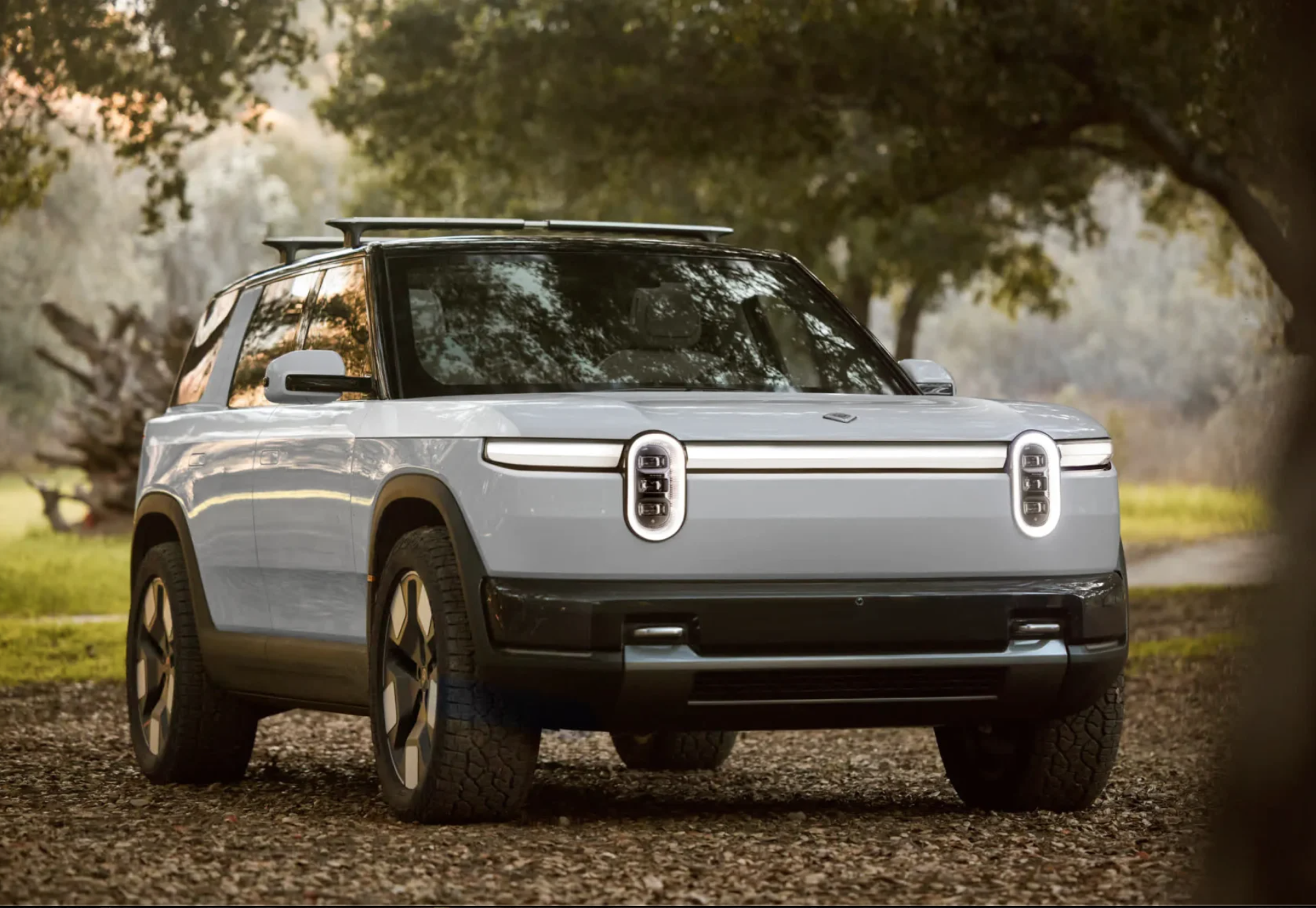
The R2, slated to be released in 2026 and potentially even early in the year, will be Rivian's path into the "affordable" car market, with a starting price of $45,000. Baird analyst Ben Kallo recently changed his rating on the EV manufacturer from neutral to a buy for 2026, mainly citing that the R2 launch will boost the brand, product demand, and share price. However, the real test for Rivian in the long run will be how well R2 sales perform compared to other popular fully electric SUVs.
The R2's main competitors will be: Toyota's 2026 bZ, with the XLE model starting at $34,900; Tesla's 2026 Model Y standard edition that starts at $39,990; and Honda's 2026 Prologue base model that starts at $47,400. If R2 sales can compete with those of the three SUVs, then that may be the recovery play investors need to buy Rivian stock for the long term. It's worth watching.