Boeing (BA +0.60%) stock received a boost recently when an analyst at heavyweight Wall Street investment firm J.P. Morgan raised the firm's price target to $245 and named the stock a top pick in the sector. The bulls' near-term logic on the stock is sound, but investors should consider longer-term concerns about Boeing before making a purchase.
Boeing's scorecard in 2025
The stock is up almost 21% as of 2025, and has outperformed the S&P 500 by a few percentage points year to date. It's a decent performance and reflects the positive work done by CEO Kelly Ortberg and his team in ramping up production and deliveries of the 737 MAX in 2025.

NYSE: BA
Key Data Points
The 737 MAX production ramp is the most essential of the three key things the aerospace company needed to do this year. Moreover, Boeing can declare progress on the second key objective: returning the Defense, Space & Security (BDS) segment to profitability while avoiding major charges on its problematic fixed-price development programs. However, the third key objective of keeping the wide-body 777X program on track for first delivery in 2026 wasn't achieved, and management now expects it to occur in early 2027.
I'll run through these issues in reverse order, as they are critical for the investment case in 2026.
Boeing's new wide-body
As a reminder, the original plan for the 777X was to deliver the first aircraft in 2020, and its delay is emblematic of the operational issues Boeing has faced over the last decade. While the spotlight has understandably been on the 737 MAX due to its high-profile crashes and groundings, the importance of the 777X should not be understated. After all, this is the wide-body that Boeing has hoped would usher in a cycle of wide-body investment.

Image source: Getty Images.
The delivery pushout (announced in October) is disappointing, but in mitigation, it could be argued that it's not entirely Boeing's fault. Back in September, Ortberg spoke at a Morgan Stanley conference and told investors, "We are falling behind on the certification" with the Federal Aviation Administration (FAA) for the 777X. Fast-forward to November, and a technical issue with the GE9X engine, made by GE Aerospace, is reported to have led to the suspension of 777X flights.
While the $4.9 billion charge taken due to the delay is noncash, there may be a cash impact in 2027 as Boeing may need to pay concessions to customers for delivery delays. Moreover, the delay in delivery will cost Boeing cash, as it will require maintaining inventory and keeping production lines open for another year without actually delivering 777X aircraft.
The bottom line is that the 777X delivery delay is not good news and will lead to unplanned cash outflows going forward.
Boeing's defense business
The chart below says a lot. BDS has struggled in recent years, alongside other major defense contractors, with fixed-price development programs. Although they account for only about 15% of BDS's business, the lengthy overruns and cost increases have led to a succession of multibillion-dollar charges over the years.
As such, the return to profitability (albeit with a wafer-thin 1.9% operating profit margin over the first nine months) is a welcome development.

Data source: Boeing presentations. Chart by author.
That said, in December, the Air Force pushed back its estimate for the first delivery of two Air Force One jets (one of four problematic fixed-price development programs for Boeing) by a year to mid-2028. Again, this will likely result in some cash outflow, and serves as a reminder that Boeing is not quite clear of issues on these programs.
The 737 MAX is back on track
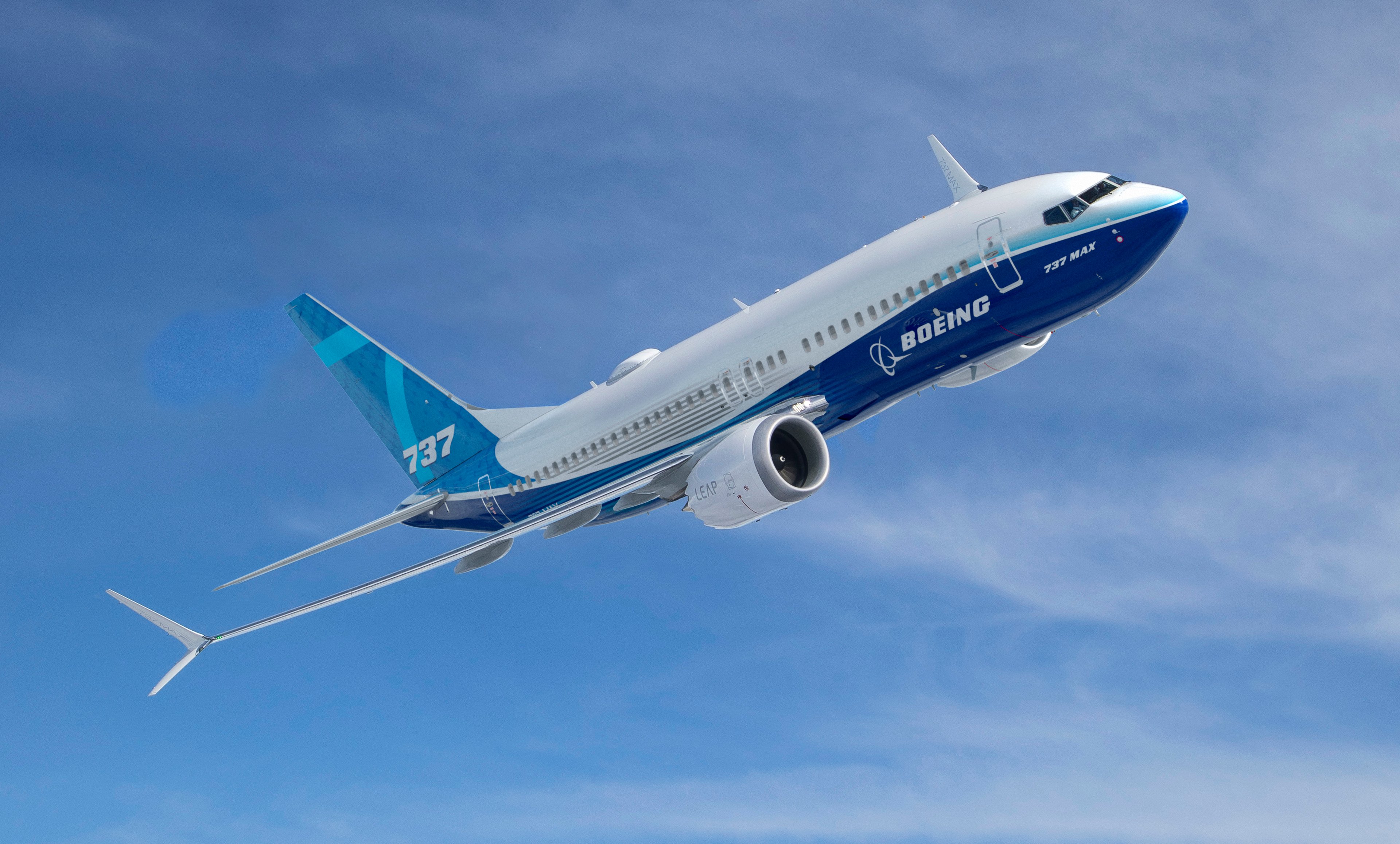
Saving the best news for last, Boeing managed to stabilize production at a rate of 38 a month on the 737 MAX in 2025. Furthermore, the FAA approved a hike in Boeing's production rate to 42 a month in mid-October. Ortberg plans to increase the rate by five aircraft a month every six months.
As such, the narrative around Boeing Commercial Airplanes (BCA) could shift from struggling to hit 38 a month at the start of 2025 to hitting 52 a month by the end of 2026.

Image source: Boeing.
Is Boeing a top stock for 2026?
Given the importance of the 737 MAX and the potential for positive production news flow throughout the year, Boeing is well-positioned for an excellent year. Boeing has an order book of more than 4,700 of its 737 MAX aircraft, and eating into that is the key management objective. Meanwhile, despite the recent disappointment with Air Force One, BDS is making progress, and expectations for the 777X have now been lowered.
It's shaping up to be a positive year for Boeing, but its execution record at BDS and on the 777X is not unblemished in 2025, and similar issues could arise in 2026. Therefore, Boeing is perhaps not a "top pick" but more of a cautious buy.