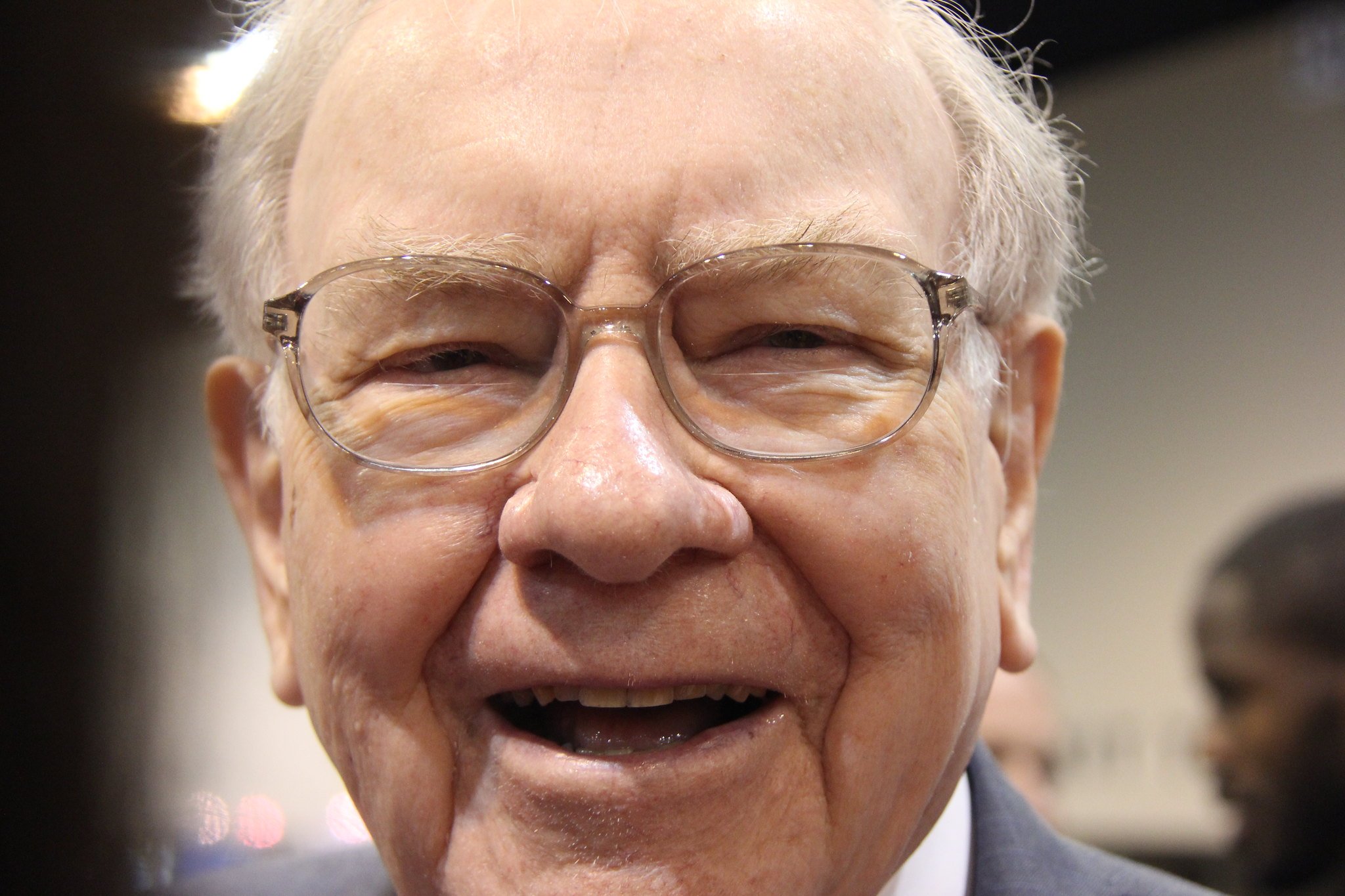
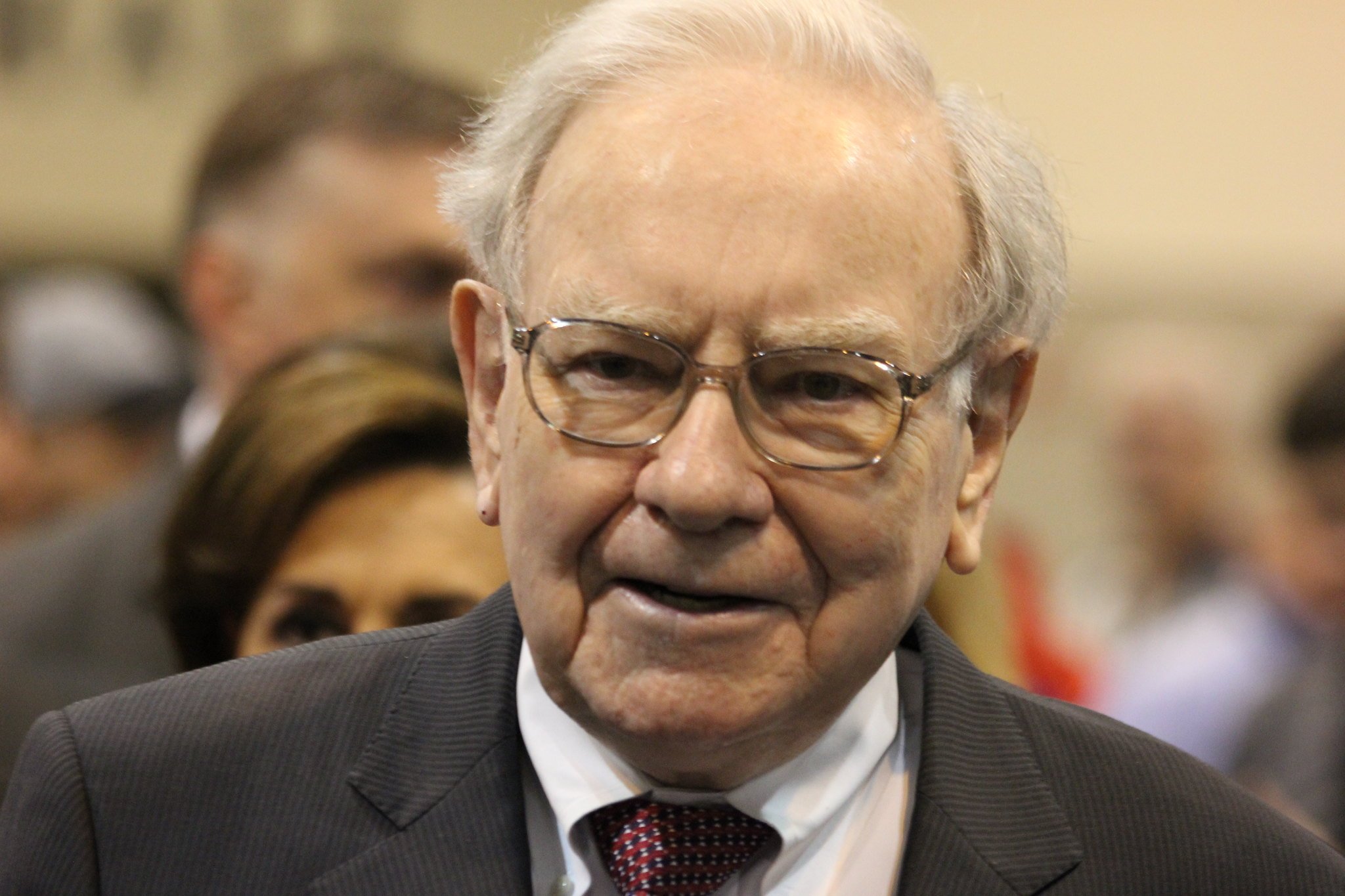
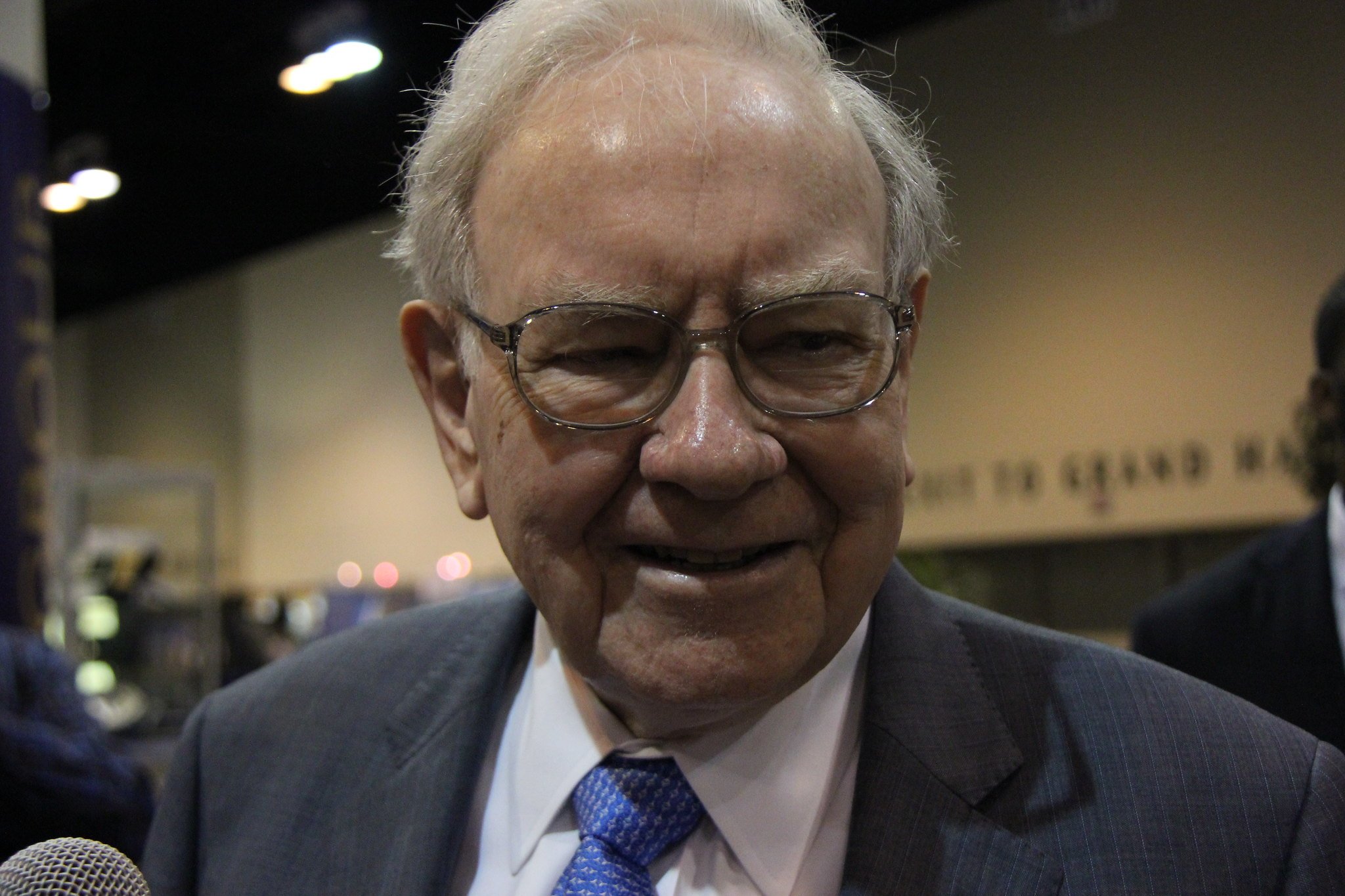
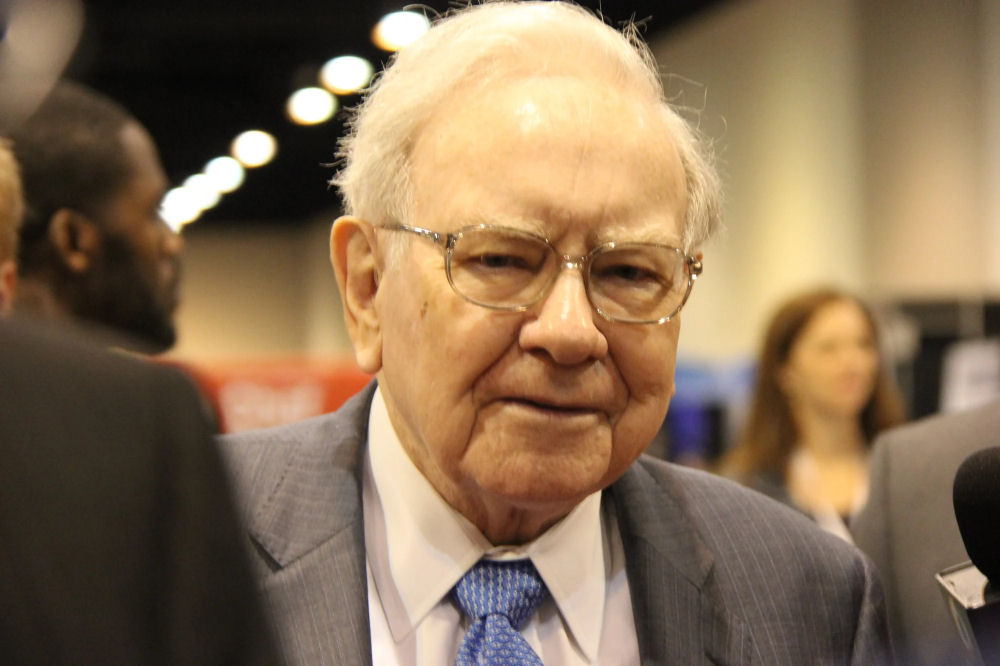
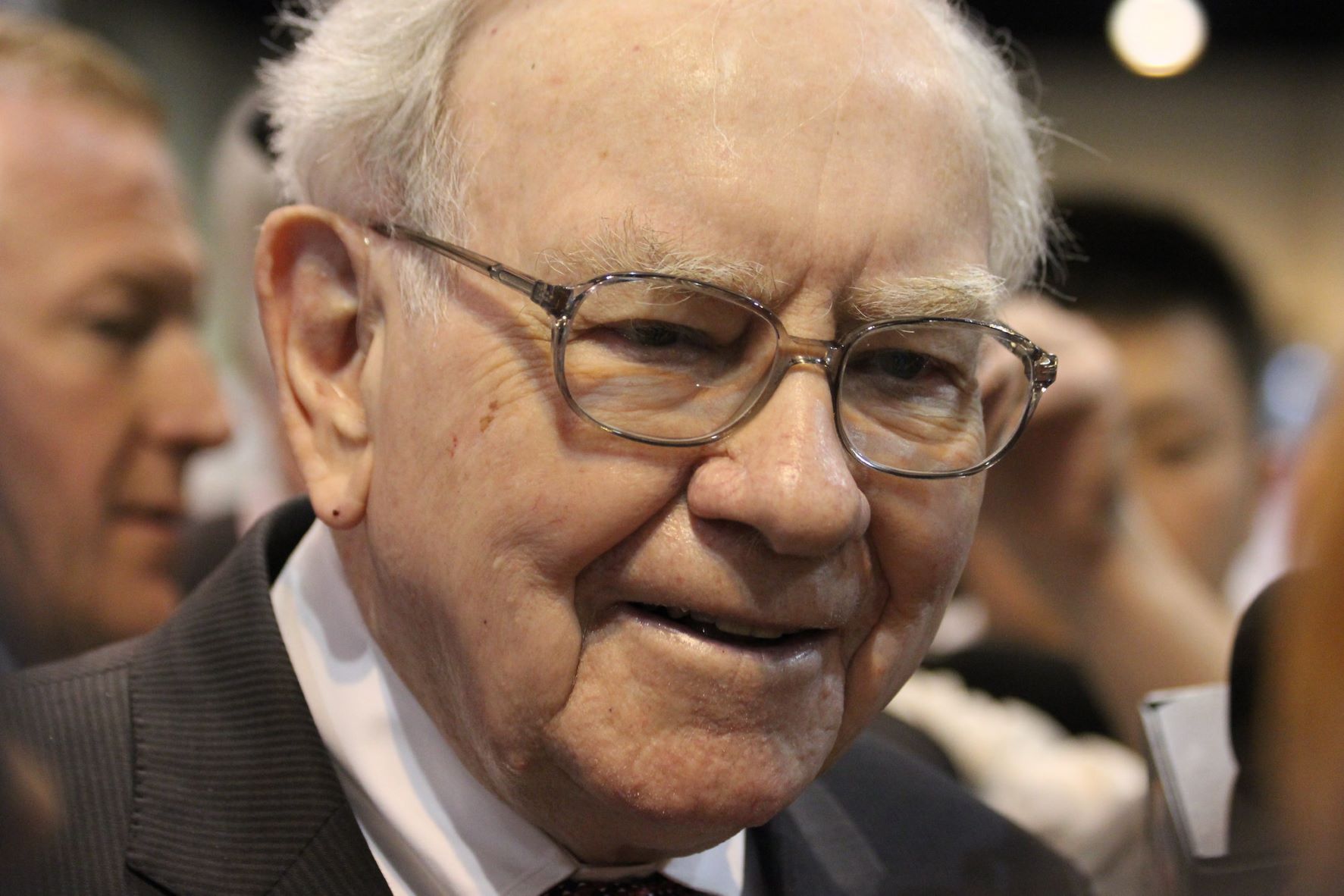
Berkshire Hathaway (BRK.A +0.65%) (BRK.B +0.73%) is entering a moment investors have expected for a long time: Warren Buffett has said Greg Abel will take over as chief executive officer at year-end. Of course, Buffett will remain chairman after the CEO handoff. But the Oracle of Omaha's role will be far more passive than it used to be.
The implications of the handoff are enormous because Berkshire is designed to operate from a small but critical corporate center. Even more, much of the conglomerate's value comes from balance sheet discipline and capital allocation decisions made by the people at this center, putting immense pressure on the CEO role.
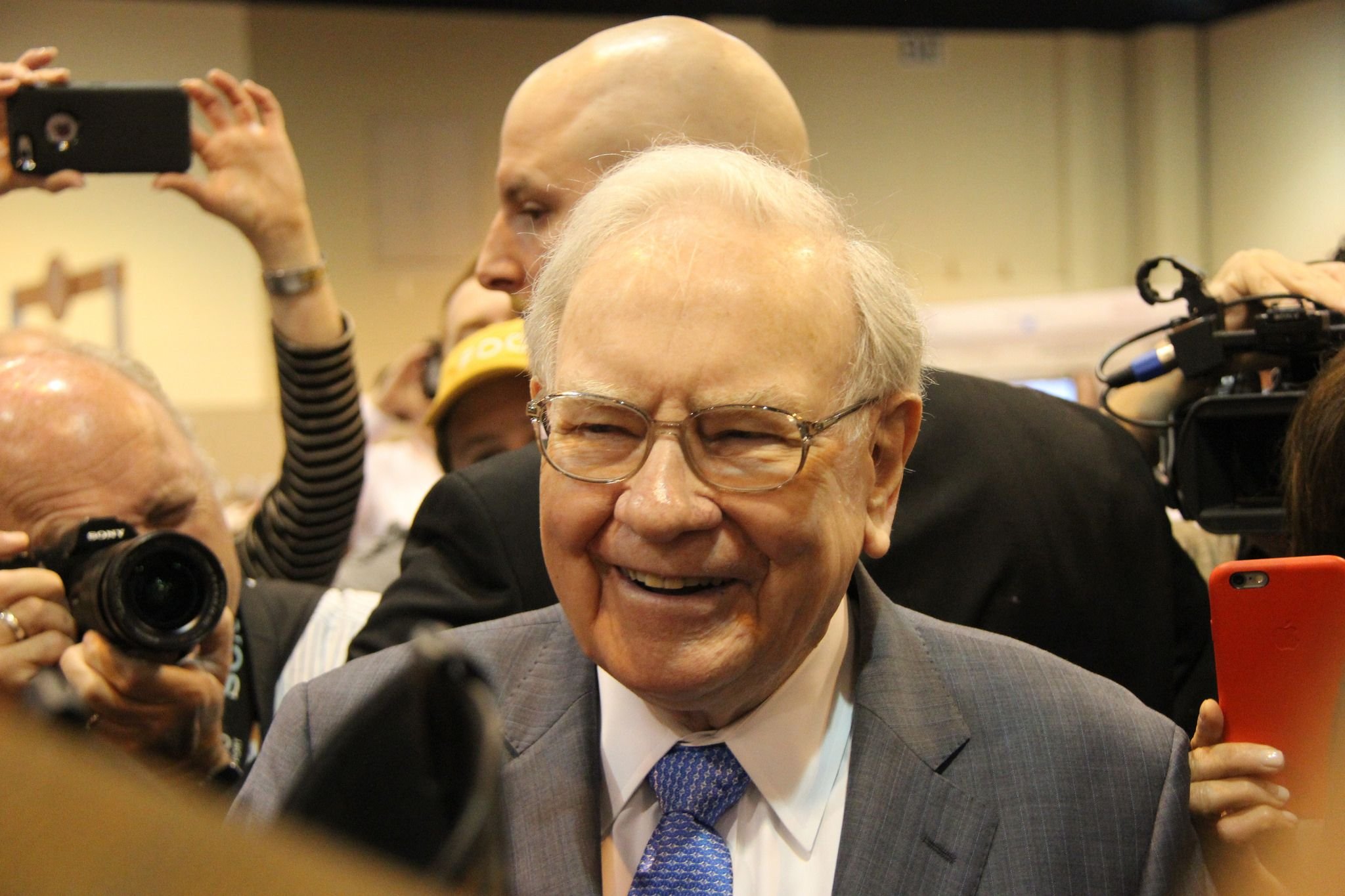
Image source: Motley Fool.
The transition
Fortunately, Berkshire shareholders have known who Buffett's successor would be for years. The news of Abel being selected as Buffett's successor first broke in May 2021. And then Buffett surprised shareholders in early May of 2025 when he told investors at the company's annual shareholder meeting that he would step down from his CEO position at the end of the year, with Abel being promoted to CEO effective Jan. 1, 2026.
As far as Buffett? He will remain chairman and will "hang around" and "could conceivably be useful in a few cases," he told shareholders at the company's 2025 annual meeting. However, even in this case, he said that the final word on any decision will be Greg's once Greg becomes CEO.
Who is Greg Abel?
Buffett has high praise for Abel, noting in a press release in November that he "has more than met the high expectations I had for him when I first thought he should be Berkshire's next CEO."
He continued:
He understands many of our businesses and personnel far better than I now do, and he is a very fast learner about matters many CEOs don't even consider. I can't think of a CEO, a management consultant, an academic, a member of government -- you name it -- that I would select over Greg to handle your savings and mine.
Leading up to his appointment as CEO of Berkshire, Abel served as vice chairman, overseeing non-insurance operations for the company.
Inheriting a war chest
Buffett is leaving Abel with a war chest so big that he could completely transform the company if he wanted to.
Total cash and cash equivalents at the end of Q3 were about $381 billion. This is sizable both in absolute and relative terms. With a market capitalization of less than $1.1 trillion, Berkshire's cash and cash equivalents equate to about 35% of its entire market value.
This gives Abel the dry power to act opportunistically and to make bets that have a material impact on the company.

NYSE: BRK.B
Key Data Points
Berkshire Hathaway stock: Buy, sell, or hold?
Is Berkshire a buy under Abel's leadership?
I think so.
Not only is the valuation reasonable, with shares trading at just 1.6 times book value, but the stock contrasts nicely with the high valuations of the overall stock market -- and especially with the valuations of many high-flying AI (artificial intelligence) beneficiaries. In addition, the company's massive pile of cash could prove to be an asset if the current AI boom ends up being a bubble that bursts. An outcome like this could lead to a meaningful pullback in market prices and potentially create a time for Berkshire to "be greedy when others are fearful," as Buffett has advised investors to do in the past.
Even without opportunities to deploy money into a future stock market pullback, Berkshire has a strong insurance business and a growing energy operation that can continue growing in the meantime.
Of course, the changeover to Abel leading Berkshire also introduces risks. While shareholders hope that Berkshire's strengths are deep-rooted enough to endure without Buffett, new leadership could also stumble when it comes to operational or capital allocation decisions. Abel will, no doubt, be watched closely.
Ultimately, however, I think Berkshire's strengths will live on.
While Abel could bring positive change to Berkshire, the case for buying here is less about expecting a new era and more about trusting the existing structure and appreciating the stock's conservative valuation in a pricey market. Sure, Buffett is stepping back. But Berkshire's biggest strengths are still its powerful insurance operation and enormous liquidity that gives the company optionality. If Abel simply maintains Berkshire's culture of discipline and takes advantage of buying opportunities when they materialize, shareholders should do well over the long term.