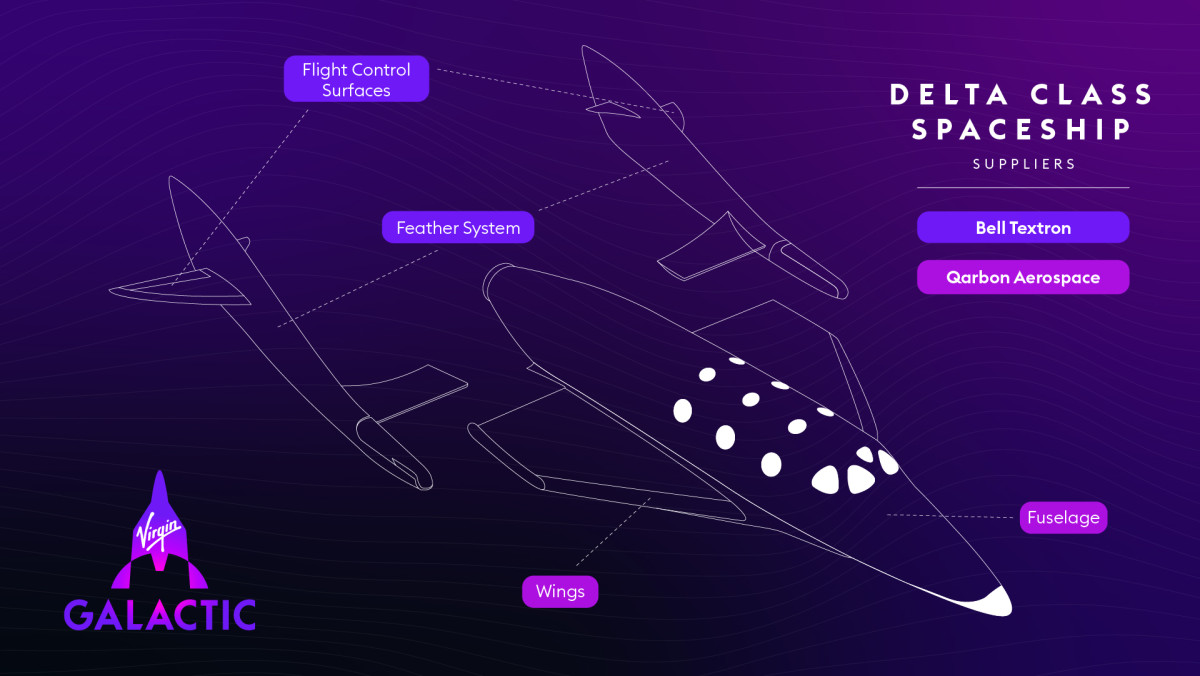
Ever since its initial public offering (IPO) in 2021, space tourism stock Virgin Galactic (SPCE +2.49%) has been assuring investors it can profit from the brand new business of flying wealthy tourists to the edge of space, to enjoy a few minutes of weightlessness before landing back on Earth.
So far, Virgin hasn't been able to make those profits happen -- indeed, in 2024, the company suspended space operations entirely and retired its only existing spaceplane, while working on a design for new "Delta-class" spaceplanes that it hopes to begin flying in 2026.
And now here we are on the threshold of the new year. And investors want to know: Will 2026 be the year Virgin Galactic finally turns profitable? The short answer to that question is almost certainly "no" -- but let me give you the long answer to help you understand why.
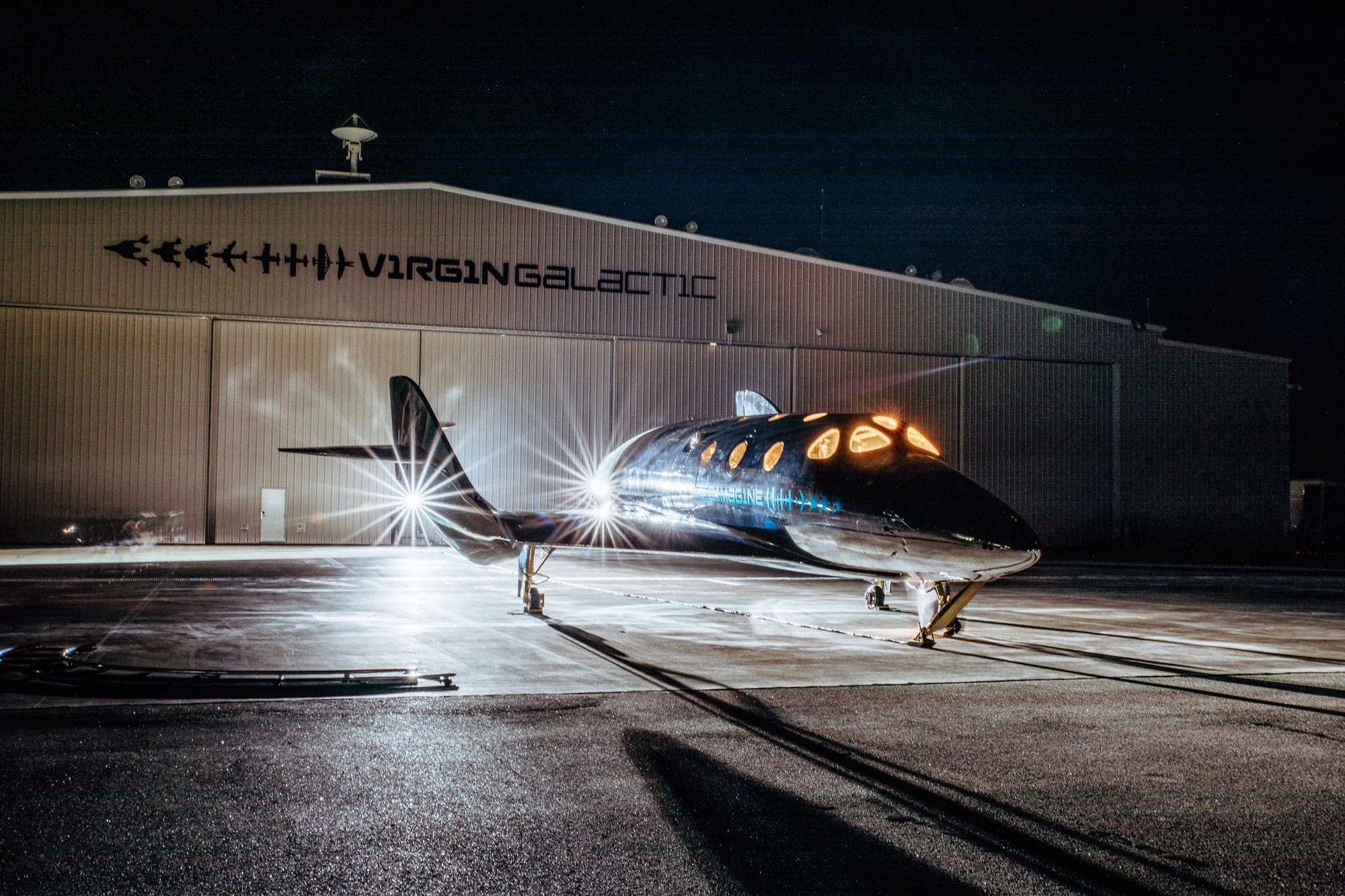
Image source: Virgin Galactic.
Step 1: Restructure the debt
Developing a brand-new spaceplane, one that can turn around and re-fly with just days rather than weeks between flights, is not inexpensive. Adding to the expense, Virgin is simultaneously developing a new mothership, the plane that will carry future Delta-class spaceplanes to altitude for their rocket ride to space.
Between them, these twin projects are costing Virgin Galactic approximately $460 million in negative free cash flow annually as the company burns cash to fuel development.
Here's why this is a problem: At last report, Virgin Galactic had only $394 million in cash (and $478 million in debt). With Delta-class flights not expected to begin before the end of 2026, there was a very real risk that Virgin Galactic would run out of cash entirely before reaching its goal.
To avoid this unfavorable outcome, Virgin Galactic announced in December a plan to restructure its debt. The company will sell approximately 12.1 million shares of stock to raise $46 million, roll over a significant portion of its debt through a $203 million private placement of new debt, and, as a result, push back the due date on its debt to 2028.
This doesn't entirely solve the lack-of-cash problem, but it does at least postpone the risk of bankruptcy.
Step 2: Pay more interest, issue more stock
There are, however, a few issues with this plan. First and foremost, Virgin Galactic has been paying 2.5% interest on its old debt. The new debt being issued will carry a 9.8% interest rate, which will raise, rather than lower, Virgin's annual interest expense.
A less immediate, but equally serious concern: The new debt Virgin is issuing will come with attached warrants to purchase stock. When exercised, these warrants will generate $203 million in new cash -- enough for Virgin to pay off the new debt (which is good). This will come, however, at the cost of issuing another 30.3 million shares (which is bad, because it means more share dilution).
Step 3: Profit?
And now we come to the heart of the matter: Will all these changes to Virgin Galactic's capital structure somehow turn the company profitable this year? And the answer to that question is: No.
For one thing, raising the company's annual interest expense will, in fact, make Virgin Galactic less profitable in 2026. For another, Virgin Galactic doesn't even expect to resume flying commercially until the final quarter of 2026. Even assuming the company hits that mark, it will be too late in the year to offset expenses incurred in the year's first three quarters. In fact, analysts polled by S&P Global Market Intelligence expect Virgin Galactic to lose nearly $240 million in 2026.
Fact is, Virgin Galactic probably won't earn a profit even in 2027. Consider: Virgin has said it's raising the price on future space tourism tickets to $600,000, precisely because it cannot earn a profit at the price it charged for tickets sold earlier. Most existing tickets were sold at prices ranging from $200,000 to $250,000, plus about 200 more sold for $450,000.
Even in an optimistic scenario where Virgin flies 125 flights in 2027, carries 750 passengers to space (which is essentially all the tickets it has in backlog at last report), and collects, by my estimate, $217.5 million in total ticket revenue for the year, that's still less than the $294 million in operating costs Virgin Galactic incurred in 2024, the last year it flew flights to space.
Result: Virgin Galactic loses money in 2026 -- and in 2027, too.