Plug Power (PLUG +0.84%) was a market darling when it first sold shares around the turn of the century. It didn't last, as Wall Street expects upstart companies to eventually turn a sustainable profit. There have been a couple of stock rallies over the years, but Plug Power's shares have mostly languished.
The stock is currently hovering near penny stock status. Before you jump into Plug Power, hoping that it will set you up for life with some big business breakthrough, you have to understand the implications of a shareholder meeting that's set to take place on Jan. 29.
What does Plug Power do?
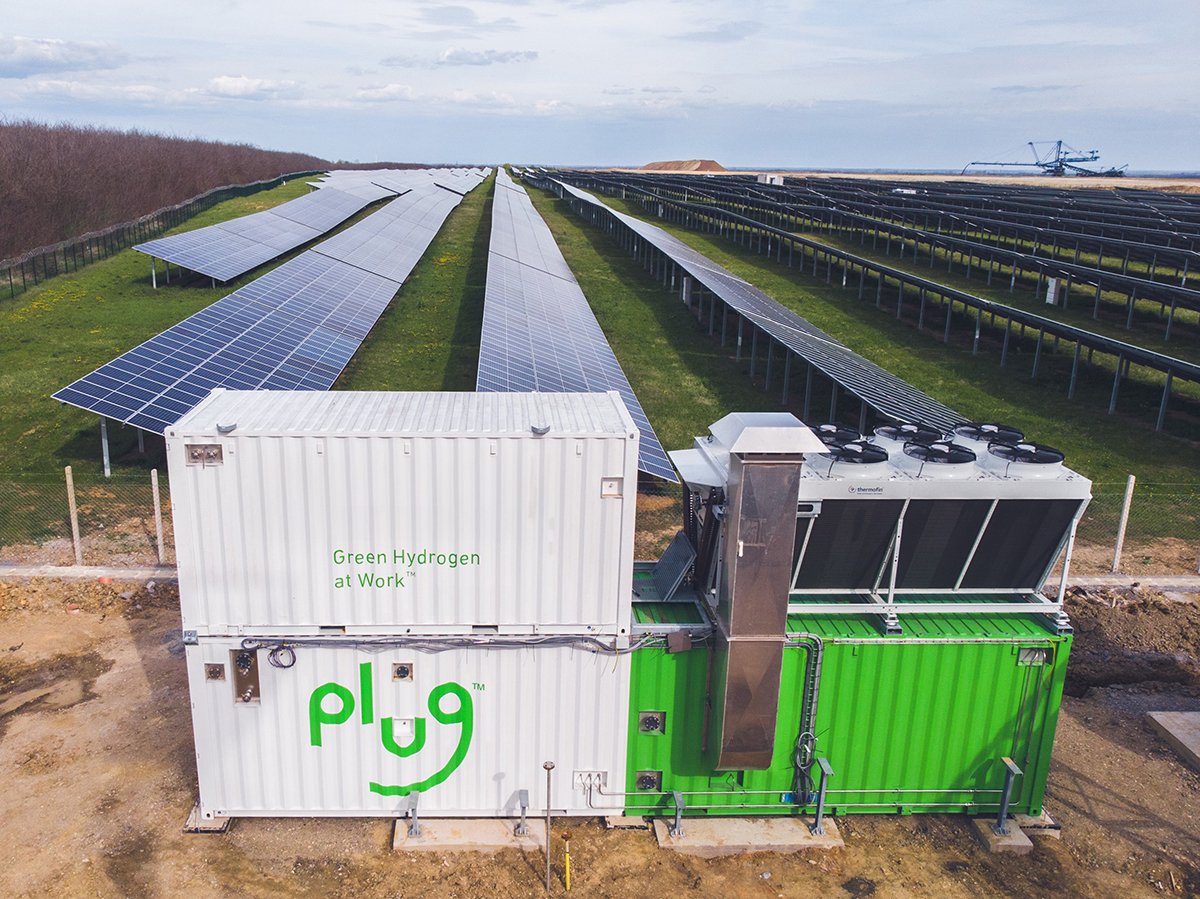
Plug Power is a clean energy company. It basically sells everything you would need to generate power from hydrogen. That includes electrolyzers that produce hydrogen and fuel cells that generate power using hydrogen. In addition, the company is developing hydrogen production plants, with a target of "commercial operation" by the end of 2028. It is essentially hoping to bulk-produce hydrogen for sale.

Image source: Getty Images.
According to Plug Power, "In creating the first commercially viable market for hydrogen fuel cell technology, the company has deployed more than 72,000 fuel cell systems and over 275 fueling stations, more than anyone else in the world, and is the largest buyer of liquid hydrogen." There are two takeaways from that statement. First, Plug Power has done a great deal of work and created a substantive business. Second, it is an upstart operation.
Building a business and industry from the ground up is a challenging endeavor. It requires a tremendous amount of time, energy, and money. In Plug Power's case, it has had to make massive capital investments in the infrastructure needed to support hydrogen power cells. Upstarts can lose money for a considerable amount of time. Plug Power has been a public company for roughly a quarter of a century, and it has yet to turn a full-year profit.
It is little wonder that investors are getting tired of waiting. Sure, hydrogen power is an exciting technology with very real and attractive applications. The fact that water is the byproduct of producing hydrogen power makes it highly attractive for use in indoor environments, for example. However, it has not caught on widely enough for Plug Power's business to generate sustainable profits from the technology.
Where things stand
The big hope with Plug Power is that it will someday gain enough critical mass to become a sustainably profitable clean energy business. However, it hasn't achieved that yet, and reaching that goal has hit a roadblock. On Jan. 29, 2026, Plug Power is holding a special meeting to get the approval for two notable changes.
First, it aims to change the way shareholder votes are tallied so that the majority of the votes cast becomes the new standard for approval. This isn't necessarily a bad thing, as it means that shareholders who simply choose not to vote don't impact the outcome. In a simple majority vote, a share that doesn't cast a vote is basically the same as a "no" vote.
However, the warning about what will happen if this amendment isn't passed is a bit worrying: "If the Company is not able to adjust the voting requirements for future amendments to the Company's charter permitted under Section 242(d)(2) of the DGCL, the Company may need to effect a reverse stock split each time it needs to increase the number of shares of common stock available for issuance."
The second proposal is to increase the authorized shares of common stock. The goal is to give the company the flexibility to raise additional capital by issuing new shares into the capital markets. Selling stock is how upstarts normally raise money, so this alone isn't shocking.
The problem is what will happen if the amendment fails. Again, "If Proposal #2 is not approved, the Company will implement a reverse stock split in order to create sufficient share availability to meet its financial obligations and maintain business flexibility." The bolding in that sentence comes from the company's original text.

NASDAQ: PLUG
Key Data Points
Reverse stock splits are usually a bad sign. In this case, the reverse stock split would be made not to increase the share price, per se, but to give the company more room to sell additional shares into the market. That will dilute current shareholders. However, here's the problem: If shareholders approve the amendments, the company will still sell additional shares. Either way this vote goes, current shareholders are getting diluted.
Plug Power is not operating from a position of strength
Companies generally try to avoid reverse stock splits, and the risk of one being enacted here is a big warning sign. Plug Power is a high-risk stock that only the most aggressive investors should consider today. If hydrogen power ever goes mainstream, it could be a big winner, but after a quarter of a century of trying, most investors should wait for the company to turn a sustainable profit before stepping aboard.
Indeed, right now it looks more likely that Plug Power will set you up for disappointment than it is that it will set you up for life.