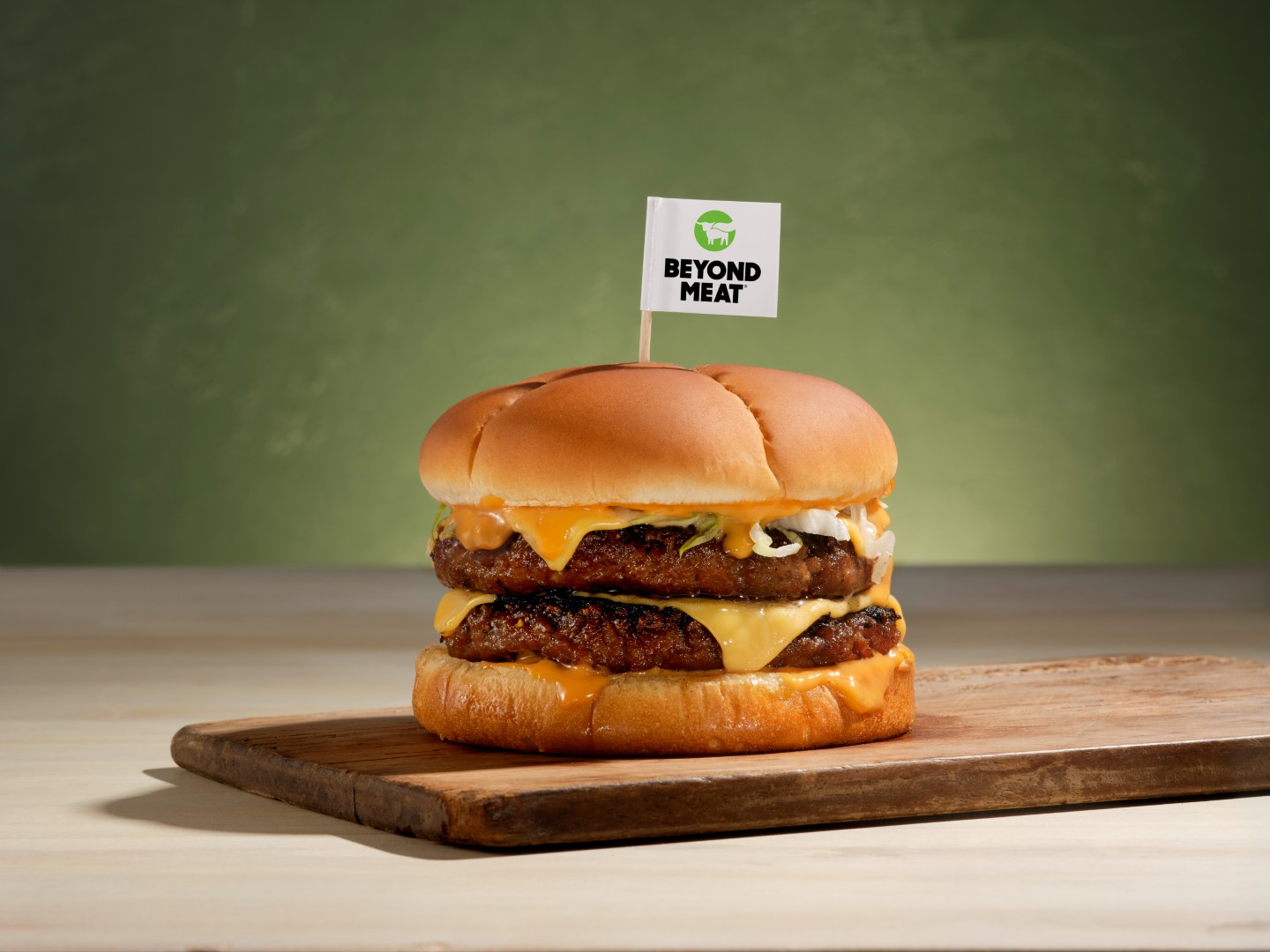
Over the last 12 months, Beyond Meat (BYND +11.35%) stock has cratered by around 77%. With a market cap of $400 million and a recent share price of just $0.77, it is firmly in penny stock territory -- a far cry from its peak of around $235 reached in 2019.
When a former Wall Street darling gets this cheap, some investors will be curious about whether or not a potential rebound is possible. Let's dig deeper into Beyond Meat's fundamentals to see what could happen in 2026 and afterward.

Image source: Getty Images.
What went wrong for Beyond Meat?
Half a decade ago, Beyond Meat was on top of the world. Investors poured into the company because it looked like an ideal way to invest on the growing relevance of environmentalism and animal welfare. According to Stanford University, meat production accounts for 14% to 18% of global greenhouse emissions and 60% of emissions from food production. Beyond Meat claims that its beef substitutes can reduce this by 90%.
In the early days, customers were biting -- or at least curious. So were retailers. And Beyond Meat was able to secure nationwide distribution and placement at well-known restaurant chains like Pizza Hut, TGI Friday's, and Carl's Jr. However, many of these offerings were temporary. And over time, Beyond Meat's plant-based meat started to look like a temporary fad instead of a sustainable trend in food consumption.
While tastes are subjective, the decline in Beyond Meat's popularity suggests consumers didn't enjoy its products very much. And from my personal experience, they do not taste similar to real meat.
While plant-based meat substitutes will naturally appeal to vegetarians and vegans, they don't stand much of a chance with people who compare them to real meat, and this dramatically reduces Beyond Meat's total addressable market. And while the company continues to invest in research and development to improve its products, consumers who were turned off in the past might be unlikely to give it a second chance.

NASDAQ: BYND
Key Data Points
Results are lackluster
Unsurprisingly, Beyond Meat's plummeting popularity has led to deteriorating operating performance. Third-quarter net revenue dropped 13.3% year over year to $70.2 million while operating losses ballooned to $112 million. The company is seeing particular weakness in its U.S. food-service segment, reflecting its rapid decline as an option in restaurants. The company is also facing challenges in international markets, exiting China because of slow demand and high costs.
Right now, Beyond Meat's turnaround strategy involves cutting costs and achieving a gross margin above 30% (up from just 10.3% in the most recent quarter). This strategy may involve closing less profitable initiatives, such as the Chinese business, and investing in more efficient manufacturing and product formulation. However, improving Beyond Meat's margins won't solve the core problem, which is a lack of growth.
Increasing economies of scale is generally how small businesses grow their way into profitability, and Beyond Meat is moving in the wrong direction. Ultimately, management has no clear way of making the general public regain interest in plant-based meats when they have moved on from the fad or simply decided they prefer traditional meat.
Beyond Meat stock is a strong sell
On a scale of one to 10, Beyond Meat would probably rank as a one or a two in terms of investment quality. The company is selling a product that much of the market simply isn't interested in. And those who are interested have plenty of other plant-based food options. Revenue is declining, losses are increasing, and bankruptcy may be on the table -- although management denies considering that option.
While the stock's low price and high volatility can create short-term gains, they are unlikely to last. And long-term investors should look for better opportunities in the market because a sustainable rebound looks unlikely.