Ordering food from delivery apps has become part of everyday life for millions of Americans. YouGov survey data from a year ago showed that 28.2% of Americans use food delivery apps at least once a week, another 44% use them less often than once per week, and only 24.5% said they never use food delivery apps. DoorDash (DASH +2.50%) has become the largest online food delivery service in the U.S. market, with 66% market share.
In the past year, DoorDash stock has gained 30%, outperforming the S&P 500.

NASDAQ: DASH
Key Data Points
In its latest quarterly financial results, DoorDash in early November reported:
- 776 million total orders (up 21% year over year)
- $25 billion of total order value (up 25% year over year)
- $3.4 billion of revenue (up 27% year over year)
- Net revenue margin of 13.8%, up 0.3 percentage points from the previous quarter.
But there has been significant volatility for DoorDash stock. The stock reached an all-time high in October 2025, but then suffered a 30% drawdown though Nov. 24, fueled by investors' disappointment with the company's results reported Nov. 5. Some investors are concerned about the company's expensive plans for technology spending in 2026. In its Q3 2025 financial results, DoorDash announced that it intends to invest "several hundred million dollars more in new initiatives and platform development in 2026 than we did in 2025."
If you're interested in DoorDash, here are four fascinating things to know about it beyond the basic numbers.
DoorDash has expanded to international markets
DoorDash is not only in the U.S. market. It operates in more than 40 countries through its international subsidiaries, Wolt (acquired in 2022) and Deliveroo (acquired in 2025).
Expanding to international markets gives DoorDash diversification beyond the American consumer base. If inflation stays high and Americans get tired of paying extra for delivery fees on consumer discretionary items, owning international brands could help DoorDash keep growing in other places.
DoorDash expects its newly acquired Deliveroo brand to add $45 million to the company's earnings in the current quarter. This would be an increase of about 6% compared to the company's Q3 earnings.
DoorDash delivers more than restaurant orders
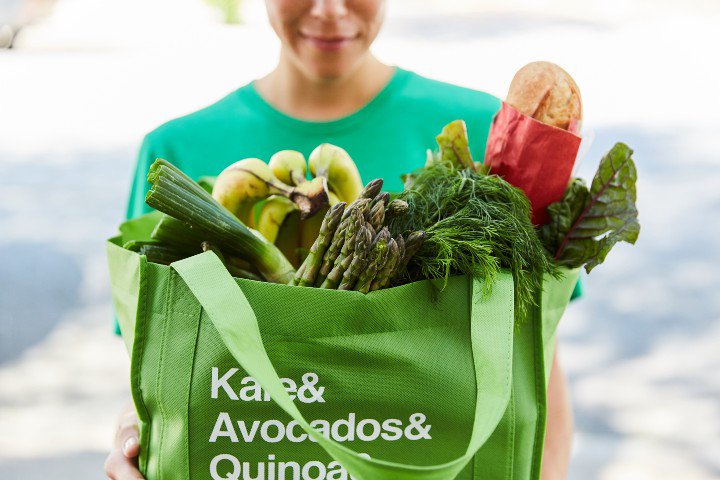
DoorDash is expanding its services to deliver groceries, convenience store goods, electronics, pet products, home improvement items, and more. The company is also looking for new ways to make money by selling services to other merchants and retailers.
In September 2025, DoorDash launched DoorDash Fulfillment Services for retailers, to help manage end-to-end logistics, inventory, and delivery of items. CVS Pharmacy, Kroger, and Party City were some of the first partnerships announced. And DoorDash now earns $1 billion annually from advertising -- another high-margin source of revenue.
DoorDash premium memberships are a profit engine
DoorDash's premium membership subscription, DashPass ($9.99 per month or $96 per year), is becoming a big engine of the company's growth. In an interview at the Morgan Stanley European Technology, Media & Telecom Conference in November 2025, DoorDash CFO Ravi Inukonda said that the company added more DashPass members in the first nine months of 2025 than it had expected for the entire year. The company has also said that DashPass members tend to spend more each subsequent year.
"Once consumers become subscribers, their order frequency is higher, the retention is higher," Inukonda said. " ... even the older DashPass cohorts, their engagement with the platform is increasing, which is reflective again of the product getting better." Inukonda also told the conference that DoorDash's customer retention is better than its peer companies, both in the U.S. market and in Wolt's international markets.
DoorDash has big ambitions for AI and autonomous delivery
Artificial intelligence (AI) and machine learning (ML) could become competitive advantages for DoorDash. At the Morgan Stanley conference in November, Inukonda said that DoorDash's investments in technology could help drive growth and efficiency, because "the new platform natively comes with AI capabilities, which are going to speed up development, which are going to speed up the ML models that the teams have, which are going to speed up personalization, which is going to speed up the information that we have about consumers that is going to be native inbuilt in the platform."
As the market leader in food and grocery delivery, DoorDash likely has a large pool of data about retail customers and their preferences. If AI can help DoorDash get more precise in its personalized offers, customer loyalty and total spending are likely to increase.
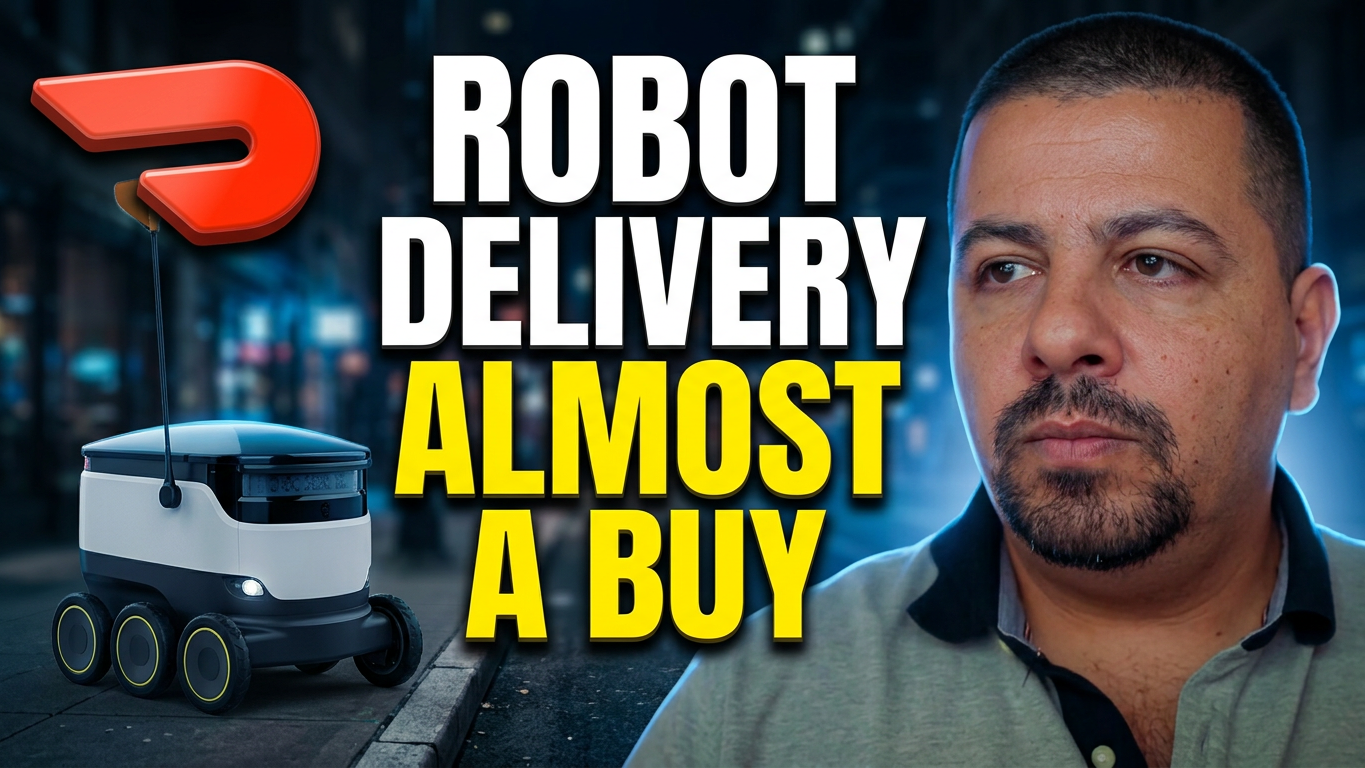
DoorDash is also researching and trying to develop its own autonomous delivery network. In the future, your DoorDash burrito might get delivered to your door by a drone or robot. In September 2025, DoorDash launched Dot, the "first commercial autonomous robot built to travel seamlessly on bike lanes, roads, sidewalks, and driveways." With maximum speed of 20 mph, DoorDash says Dot is designed for quick deliveries, neighborhood trips, and easy product handoffs.
Even though DoorDash is the market leader in online food delivery, it's still trying to innovate like a scrappy tech start-up -- and this could ultimately be good news for investors.
The stock has taken a hit in the short term because of investor concerns about the costs of its 2026 tech spending. But they make sense. And DoorDash's aggressive tech investments and platform improvements, combined with other competitive advantages, could lead to bigger growth in the future.