Legendary investor Warren Buffett officially stepped down as CEO of Berkshire Hathaway at the end of 2025. The move marks a historic transition, as it's the first time since taking the reins in 1965 that Buffett won't be heading up the company.
Buffett's impact on the investing world is unmatched. His deep wisdom and long-term investment approach have inspired countless investors. While Buffett may now be retired, his legacy lives on through Berkshire Hathaway.
If you have $2,500 to put to work, here are three Buffett stocks to buy today that can form a strong foundation for your diversified investment portfolio.
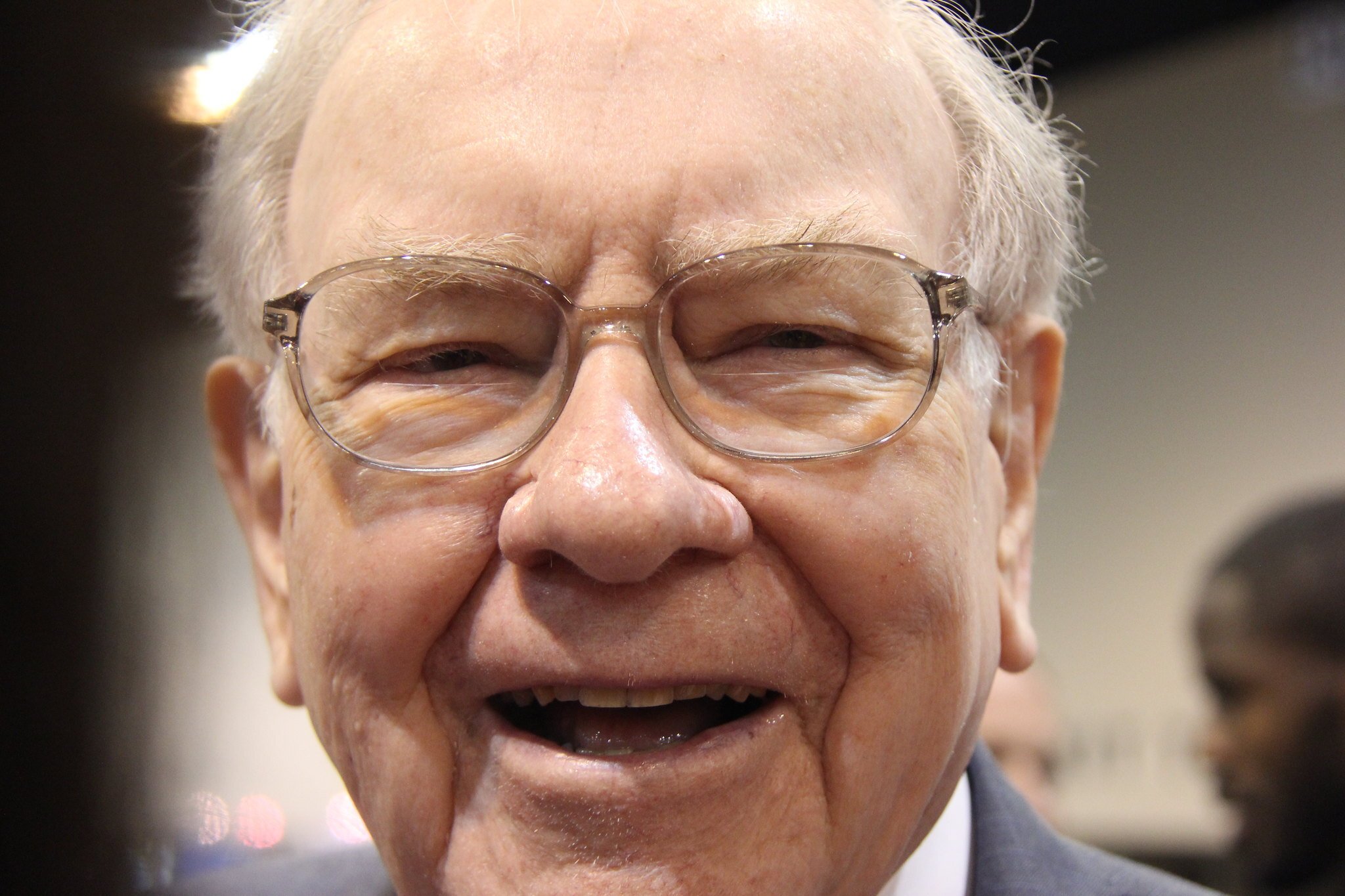
Image source: The Motley Fool.
American Express enjoys a luxury brand advantage
American Express (AXP +0.31%) is one of Berkshire Hathaway's longest-held publicly traded investments and has been a key pillar of its portfolio for decades. With over 151 million shares held at the end of the third quarter, the company is Berkshire's second-largest holding, behind only Apple.

NYSE: AXP
Key Data Points
What makes American Express a quintessential Warren Buffett stock is its global name recognition, which provides a strong brand moat. For decades, the company has built a reputation associated with exclusivity and luxury. It has attracted high-spending customers with products such as its much sought-after exclusive Black Card, which carries an initiation fee of $10,000 and an annual fee of $5,000.
The company earns fees from transactions that pass through its network, generating a steady stream of revenue that grows in line with consumer spending. It also retains its credit card debt issued to customers and earns fees and interest income from servicing those loans. This differentiates it from Visa and Mastercard, which earn transaction fees but leave the debt servicing to their banking partners.
While credit card debt exposes the company to credit risk, some of the larger risks are mitigated by its affluent customer base. These customers are more resilient across economic cycles, which is why the company experiences smaller credit losses than its peers.
Coca-Cola's strong brand and asset-light model give it resilience
Coca-Cola (KO +0.51%) is another stock Berkshire Hathaway has held for multiple decades. At the end of the third quarter, the conglomerate held 400 million shares of the consumer staples stock, making it Berkshire's fourth-largest stock position.
Like American Express, Coca-Cola has one of the most recognizable brands, in this case, in the drink industry. The company is one of the world's largest beverage brands, with its Coca-Cola soft drink recognized worldwide. Additionally, the company offers a diverse range of beverages, including energy drinks, juices, waters, teas, and coffee.

NYSE: KO
Key Data Points
In addition to its strong brand, the company has built an asset-light business model that helps keep capital costs low. Coca-Cola owns its brands and recipes, while its bottler partners handle the (sometimes) more expensive manufacturing and distribution aspects of the business. The company's distinctive flavors also give it some pricing power, enabling it to generate steady revenue without losing many customers.
Coca-Cola's strong brand, global reach, and asset-light business model make it a solid business. Another benefit for investors is a very attractive dividend, currently yielding 3%, which has grown every year for each of the past 63 years.
Its crucial role in the markets makes this financial giant a quality stock
Moody's (MCO 0.23%) may not be a household name, but it is a crucial player in global financial markets. That's because it provides credit ratings that assess the creditworthiness of borrowers, including governments, corporations, and structured products. These ratings are then used by lenders to set borrowing costs and by investors to allocate capital based on specific risk parameters.

NYSE: MCO
Key Data Points
Moody's has built its reputation over decades, giving it a competitive advantage over newer entrants. Investors trust Moody's, and that trust is hard to earn, especially when so much money is at stake. This, along with high barriers to entry, effectively gives Moody's and S&P Global a duopoly in the credit ratings business, with a combined 80% market share.
As global debt issuance from both countries and corporations grows, Moody's stands to benefit from the ongoing demand for its expertise and credit ratings. This creates a durable, fee-based revenue stream tied to the scale and growth of global financial markets. In addition, Moody's Analytics provides data to banks, insurers, asset managers, and other users, generating a steady stream of recurring subscription revenue that helps diversify its revenue mix.