Oneok (OKE +0.73%) had a turbulent 2025, with the pipeline stock losing 26.8% value in the year.
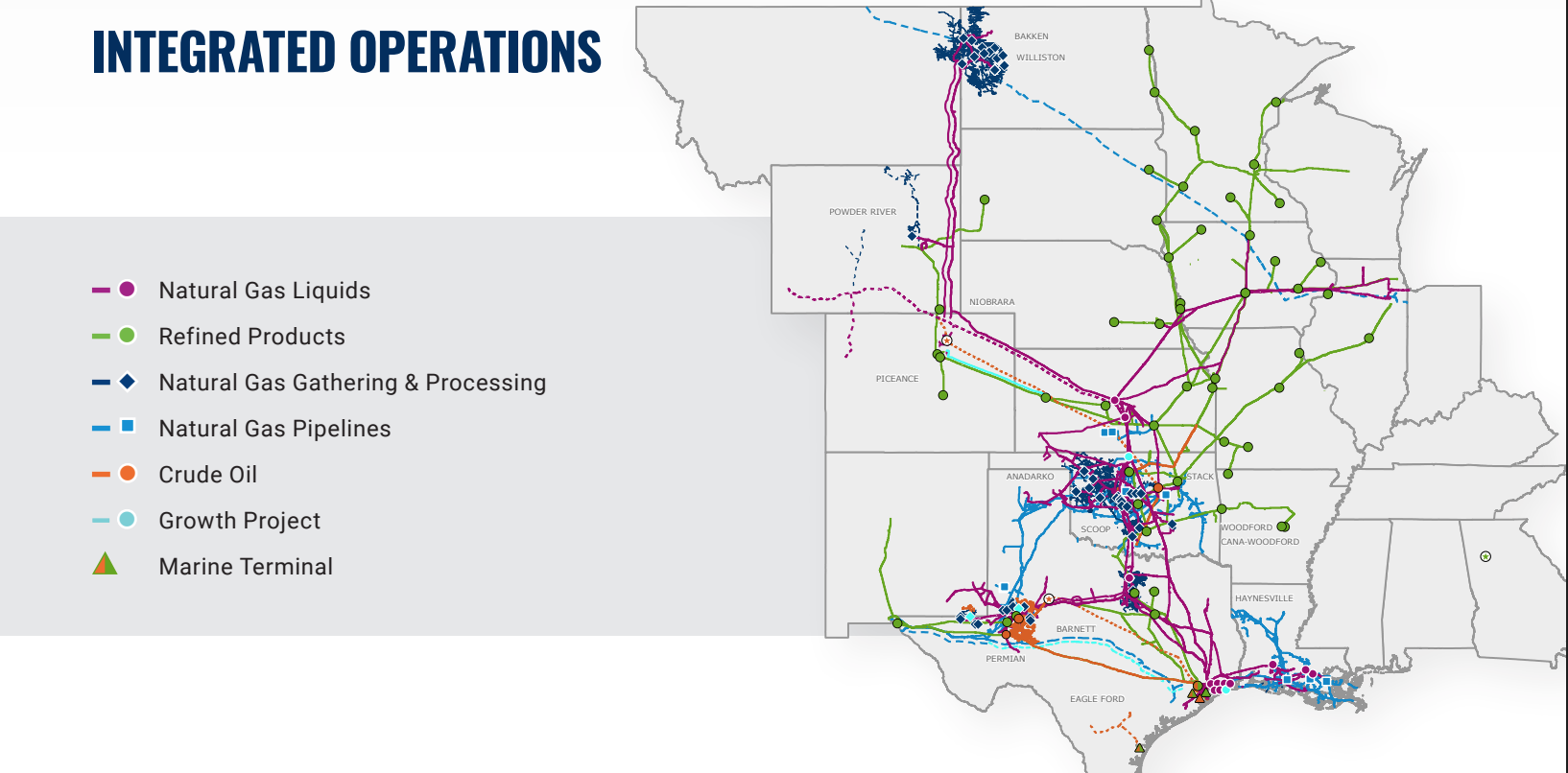
Oneok is among the largest midstream energy companies in the U.S. with a network of pipelines spanning nearly 60,000 miles. It doesn't drill for oil or produce natural gas. Instead, Oneok connects energy producers with end users, gathering, storing, and transporting natural gas, natural gas liquids, crude oil, and refined products under long-term contracts for a fee. Nearly 90% of Oneok's earnings are fee-based, and they're growing. In the nine months ending Sept. 30, 2025, Oneok's net income surged 14% to $2.4 billion.
Why, then, was Oneok one of the worst-performing energy stocks of 2025? A phase of massive acquisitions grew the company's footprint but also strained its stock price. The sell-off is overdone, though, and there's every chance Oneok stock could go parabolic in 2026.

Image source: Getty Images.
Why Oneok stock tumbled in 2025
Oneok went on an acquisition spree in late 2024, acquiring Medallion Midstream for $2.6 billion and the remaining stake in EnLink Midstream for $4.3 billion in an all-stock deal. These deals came on the back of Oneok's mega-acquisition of Magellan Midstream for $18.8 billion in late 2023.
While adding significant scale, the acquisitions also added employee-related and integration costs, as well as debt. Oneok's long-term debt was $32 billion as of Sept. 30, 2025 compared with only $12.7 billion as of June 30, 2023. Oneok's aggressive debt-backed growth made energy investors jittery, and the stock felt the pressure throughout 2025.

NYSE: OKE
Key Data Points
2026, however, could look strikingly different for Oneok.
Why Oneok stock could make a solid comeback in 2026
Three significant catalysts could drive Oneok's cash flows higher in 2026, making the value stock a solid buy.
First is the contribution from Medallion, Magellan, and EnLink. On its third-quarter 2025 earnings call, Oneok projected $500 million in cost synergies from Magellan alone by the end of 2025, surpassing its initial estimates.
Second, Oneok expects cash tax expenses to fall by nearly $1.5 billion over the next five years, thanks to tax deductions under President Donald Trump's "big, beautiful bill."
Third, with capital expenditures expected to decline following recent acquisitions, Oneok will have a lot more free cash to repay debt, pay dividends, and buy back shares. Oneok has been repurchasing shares regularly and aims to increase its annual dividend payout by 3% to 4%, with a goal to return 75% to 85% of the cash it generates from operations to its shareholders.
So what could all of that mean for Oneok investors? As the market starts to see value in Oneok's stock, given its rising earnings and cash flows, the stock looks primed for a solid comeback in 2026. As it is, the stock's 5.5% yield and 3% annual dividend growth would mean an annualized return of 8.5% for investors who buy Oneok.