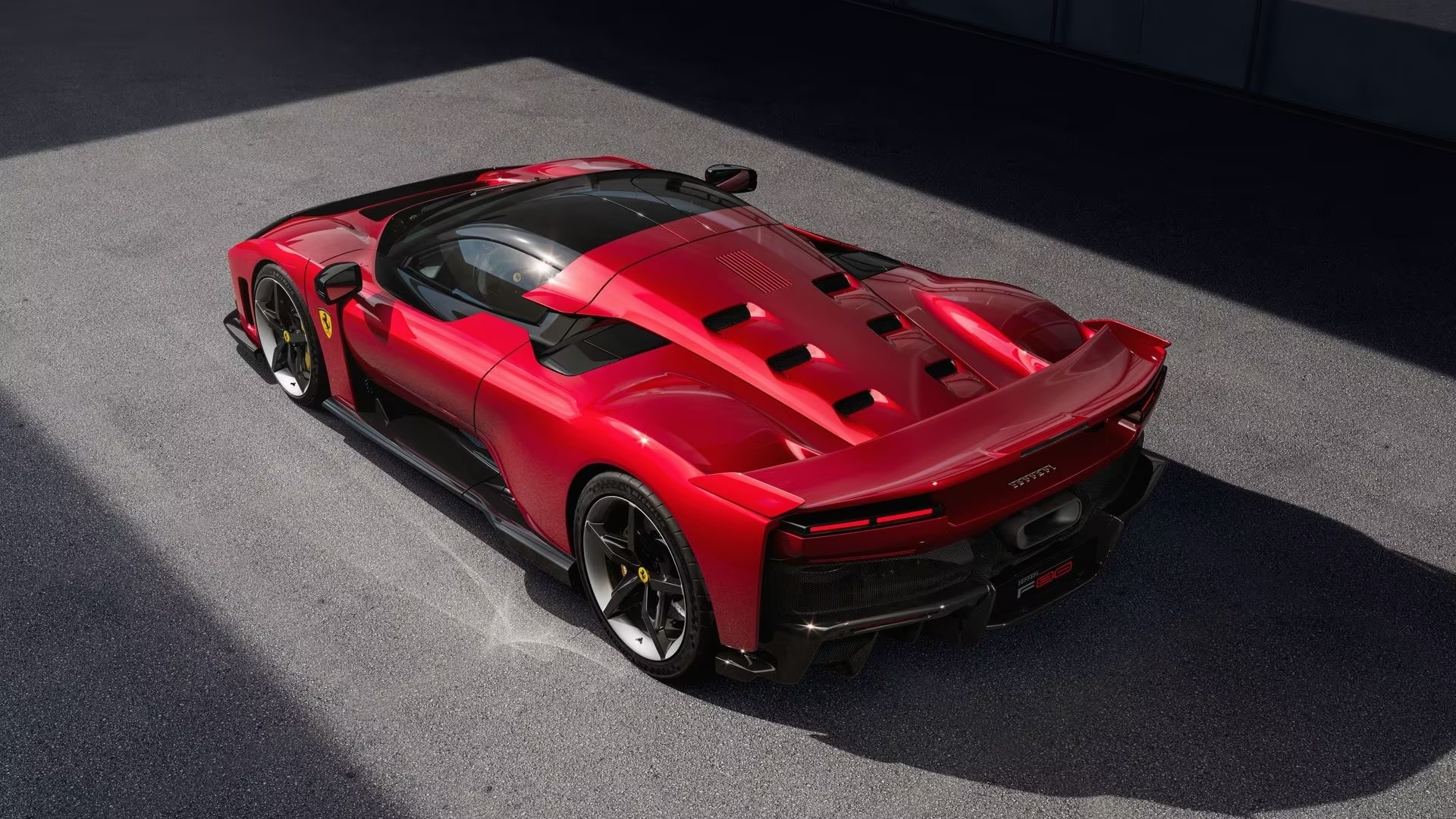
Ferrari (RACE +2.67%) enters 2026 from a position most companies would envy. Its brand remains untouchable, margins still rank among the best in global luxury, and management has consistently resisted the temptation to chase volume.
But after a steady and reassuring 2025, Ferrari now faces a different kind of test. At a premium valuation, the market no longer rewards consistency alone. In 2026, investors will look for proof -- proof that Ferrari's discipline, pricing power, and brand magic can survive a changing automotive landscape.
Here are the four things that matter most.
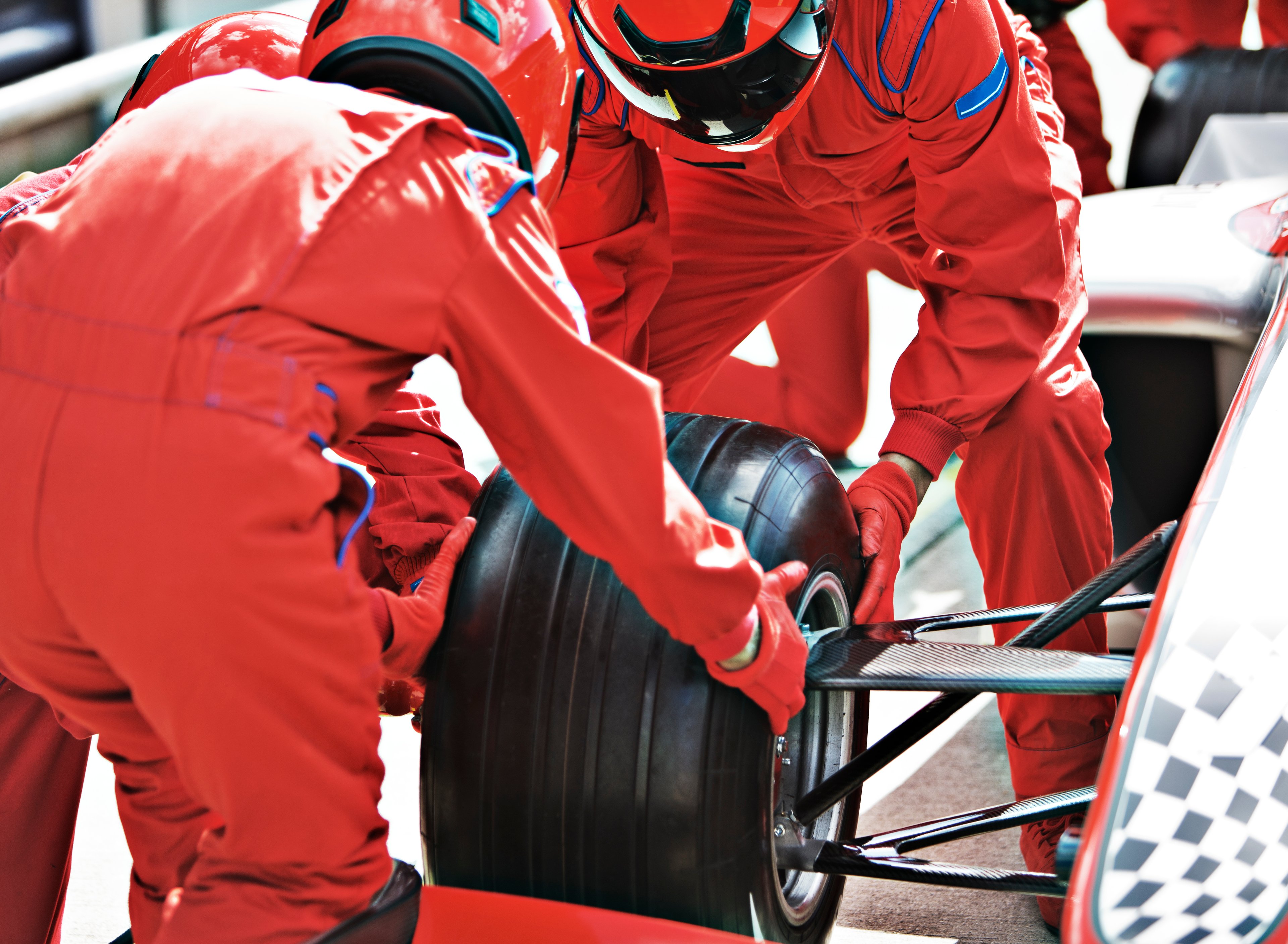
Image source: Getty Images.
1. Electrification must preserve emotion, not just performance.
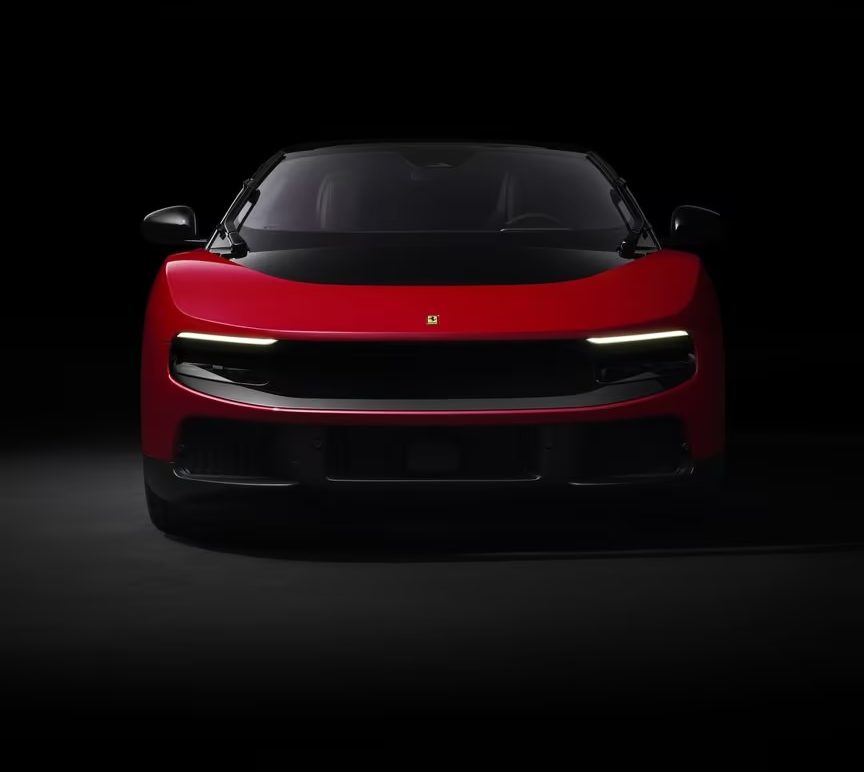
2026 marks the year when Ferrari's electrification strategy becomes tangible. The company will unveil its first fully electric model, bringing years of philosophy to life as a tangible product that customers can touch, drive, and judge.
This moment matters because Ferrari's moat has never been technological. It's emotional. Sound, feel, responsiveness, and theater define the Ferrari experience -- and those qualities don't naturally translate to electric powertrains.
What Ferrari needs to prove in 2026 isn't that its EV is fast. That's table stakes. It needs to prove that an electric Ferrari still feels unmistakably like a Ferrari. Early customer reactions, order interest, and brand reception will matter far more than unit volumes.
If Ferrari gets this right, electrification becomes an extension of its legacy. If it doesn't, the brand premium embedded in the stock becomes harder to defend.

NYSE: RACE
Key Data Points
2. Pricing power must hold as the product mix evolves.
Ferrari's growth story has never relied on selling more cars. It depends on selling better ones -- richer mixes, deeper personalization, and limited editions that command premium pricing.
In 2026, investors will closely watch to see whether that pricing power holds as the company introduces new powertrains and models to the lineup. Electrification introduces new costs and customer expectations. Ferrari must show that it can pass those costs through without resistance and diluting exclusivity. Key signals to watch include:
- Continued growth in average revenue per car.
- Strong demand for personalization options on new models.
- Healthy resale values for recent launches.
If Ferrari maintains its ability to raise prices ahead of inflation, the luxury thesis stays intact. If pricing power softens, the company's valuation multiple comes under pressure.
3. Margin remains sustainable even as investment increases.
Ferrari is in the middle of one of the most capital-intensive periods in its history. Electrification, software development, and factory upgrades require sustained investment, particularly at the new Maranello facilities.
In 2026, Ferrari needs to prove it can absorb those costs without sacrificing what makes it special financially. Investors will be watching to see whether earnings before interest, taxes, depreciation, and amortization (EBITDA) margins remain in the high-30% range and whether free cash flow remains robust, even as capital spending remains elevated.
This matters because Ferrari's valuation assumes a smooth transition -- not a dip in profitability followed by recovery. Temporary margin compression may be understandable, but prolonged erosion would challenge the stock's premium positioning.
The message Ferrari must deliver in 2026 is simple: Transformation doesn't mean lower standards.
4. Discipline must hold despite growth opportunities.
Ferrari's most complex challenge isn't technological or financial -- it's psychological. As global wealth expands and demand remains strong, the temptation to increase production never disappears. In 2026, investors will look for signs that Ferrari continues to say "no" more often than "yes." That means:
- No aggressive volume expansion
- No dilution of limited-edition exclusivity
- No shortcuts in brand stewardship
Ferrari's most significant competitive advantage is restraint. The moment it prioritizes short-term revenue over long-term brand equity, its luxury economics unravel. Discipline is not optional -- it's the business model.
What does it mean for investors?
2025 was a year of confirmation. Ferrari demonstrated that its model remains effective. 2026 is a year of validation. Ferrari must demonstrate that its philosophy is effective not only in stable environments, but also during periods of transformation.
For long-term investors, Ferrari doesn't need to reinvent itself. It needs to prove that scarcity, emotion, and discipline still compound value in an electric world. If it does, Ferrari strengthens its case as one of the most durable luxury compounders on the market. If it stumbles, valuation becomes a headwind instead of a tailwind.
Either way, 2026 won't be quiet -- and that's precisely why it matters.