Earnings season began, as it always does, with the four largest U.S. banks posting their results from the last quarter. And this cycle kicked off with bank executives raising big red flags about a political proposal that has been floated by the President.
All four of the banks to report early -- JPMorgan Chase (JPM -0.64%), Bank of America (BAC -1.70%), Citigroup (C -0.66%), and Wells Fargo (WFC -0.30%) -- saw stock prices drop 5% to 7% over the past few days.
The earnings were generally a mixed bag, with JPMorgan Chase and Bank of America both beating revenue and earnings estimates, and Citigroup and Wells Fargo beating earnings but missing on revenue estimates. There were some business lines that fell short of expectations for each, but as large, diversified national banks, areas of weakness were offset by areas of strength.
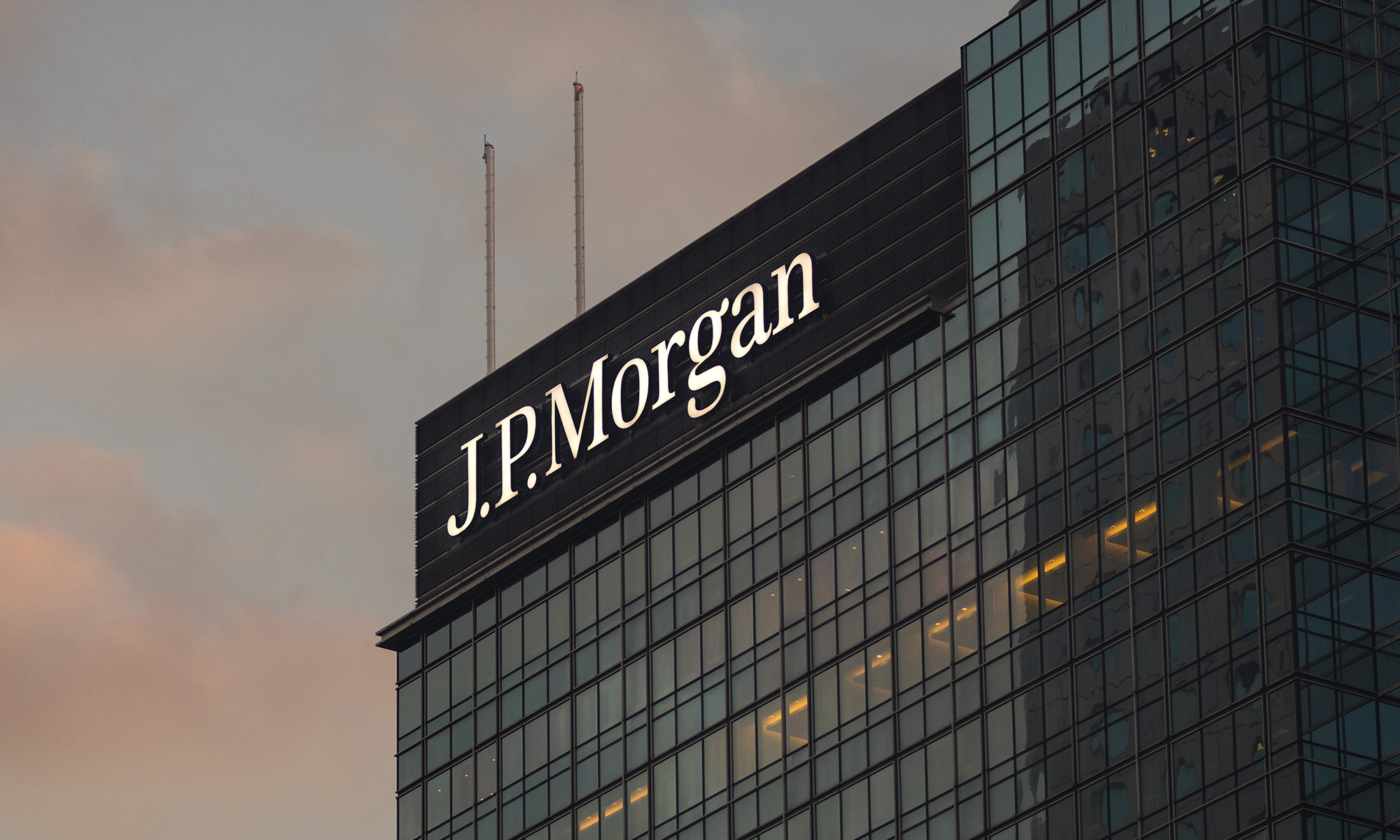
Image source: J.P. Morgan Chase
So why were each of the stocks down so significantly, post-earnings? One of the major concerns is a proposal by President Donald Trump to put a 10% cap on credit card interest rates for one year, starting January 20. It would have to be in the form of legislation to take effect, but Sen. Roger Marshall (R-KS) wrote in an X post that he would be "leading this legislation" to cap rates.
Marshall and Sen. Dick Durbin (D-IL) also reintroduced their Credit Card Competition Act (CCCA) this week, which would require large banks to give merchants a choice of at least two different payment networks for every transaction, including one outside of the two dominant players -- Visa (V -1.10%) and Mastercard (MA -1.13%).
Marshall said the CCCA would lower prices by 1% to 2% and the 10% cap would save consumers $150 per month.
This would not only impact Visa and Mastercard, but the handful of banks that do most of the lending or issuing of credit – that includes JPMorgan Chase, Citigroup, Bank of America, Wells Fargo, and Capital One (COF -0.25%).
A $100 billion plus impact on banks
A cap on credit card interest rates would have a huge impact on the big banks because they would collect less interest on their loans. In addition, the CCCA would reduce swipe fees merchants pay the banks, so that would impact revenue, too.
An analysis by Vanderbilt University last September said a 10% cap on interest rates could save consumers $100 billion per year in interest payments – and that would come directly from the banks that issue the credit. JPMorgan Chase, for example, the largest credit card lender, generated about $28 billion, or 15% of total revenue, from card services and auto in 2025. Further, the CCCA would save merchants about $17 billion per year.
Opinions are mixed about whether a change of this magnitude would be a net win, and for whom. Of course bank executives will warn about negative implications on their revenue, and thus, stock prices. But they also cautioned about broader impacts on consumers, despite this sounding good for credit card users on its face.
The big four banks all sounded the alarm about the this issue on their earnings call this week. JPMorgan Chase CFO Jeremy Barnum said it would have "negative consequence " for consumers. the economy, and "it should be obvious that that would also be bad for us. I'm not gonna get into quantifying, but in a narrow sense, this is a big business for us. It's a very competitive business, but we wouldn't be in it if it weren't a good business for us. And in a world where price controls make it no longer a good business, that would present a significant challenge, clearly."
Bank of America CEO Brian Moynihan said on the Q4 call that a rate cap would have unintended consequences.
"The explanation we've always made sure people understood is that the if you bring the caps down, you're going to get strict credit, meaning less people will get credit cards and the balance available to them on those credit cards will also be restricted," Moynihan said. "And so you have to balance that against what you're trying to achieve on the affordability."
"Domino effects" of cap
Jane Fraser, CEO of Citigroup added that the impact to Citigroup and banks would be dwarfed by the impact of lower consumer spending and access to credit on consumers and the economy.
"You'd only be left with the wealthy having access to credit cards, and nobody wants that," Fraser said on the call. "We'd also see some of the domino effects ricocheting through retail, travel, hospitality sectors, much broader impact on GDP. So as I said, what we want to do is engage on how we can expand credit rather than restrict it to those who need it."
For investors in bank stocks, these potential changes are worth watching. Any cap would have to be legislated by Congress, and any type of executive order would be challenged in court. The CCCA was first introduced in 2022 and has failed to gain passage.
While a cap and the competition act has bipartisan support, it remains to be seen whether either goes anywhere. A big hurdle is the Republican leaders in the House and Senate as both Senate Majority Leader John Thune (R-SD) and Speaker of the House Mike Johnson (R-LA) have not embraced either proposal.
Investors in these stocks, which are well represented in the broader market indices, should keep a close eye on the next development.