Robinhood (HOOD 1.51%) stock has had a few phenomenal years. The company's sales and earnings are on the rise, its customer count is growing rapidly, and its share price has increased by 1,100% over the past three years.
With the company successfully tapping into the high demand for buying and selling stocks, should Robinhood shareholders expect the stock might be able to set them up for life?
While Robinhood could remain a good stock to hold on to if you're a current shareholder, I have my doubts that buying the stock right now will set you up for life. Here are two reasons why.

Image source: Getty Images.
1. Robinhood stock is priced for perfection
Many stocks are expensive right now. That's the by-product of the S&P 500 (^GSPC 0.06%) rocketing 74% higher over the past few years and the impressive sales and earnings of many companies.
But even by technology stock standards, Robinhood's shares are pricey. The tech sector currently has an average price-to-earnings ratio of 44, and Robinhood's shares have a P/E ratio of approximately 49.
What tends to happen when stocks are expensive and their shares have rocketed higher is that shareholder expectations rise as well. The result is that, many times, if a company with an expensive stock fails to meet Wall Street's estimates for a quarter or two, shareholders become disillusioned, and some exit their positions.
Robinhood appears to be priced for perfection at the moment, and I think shareholder expectations are running very high. If the company fails to meet analysts' estimates for a few quarters, some investors could start believing the good times have come to an end and ditch their positions.
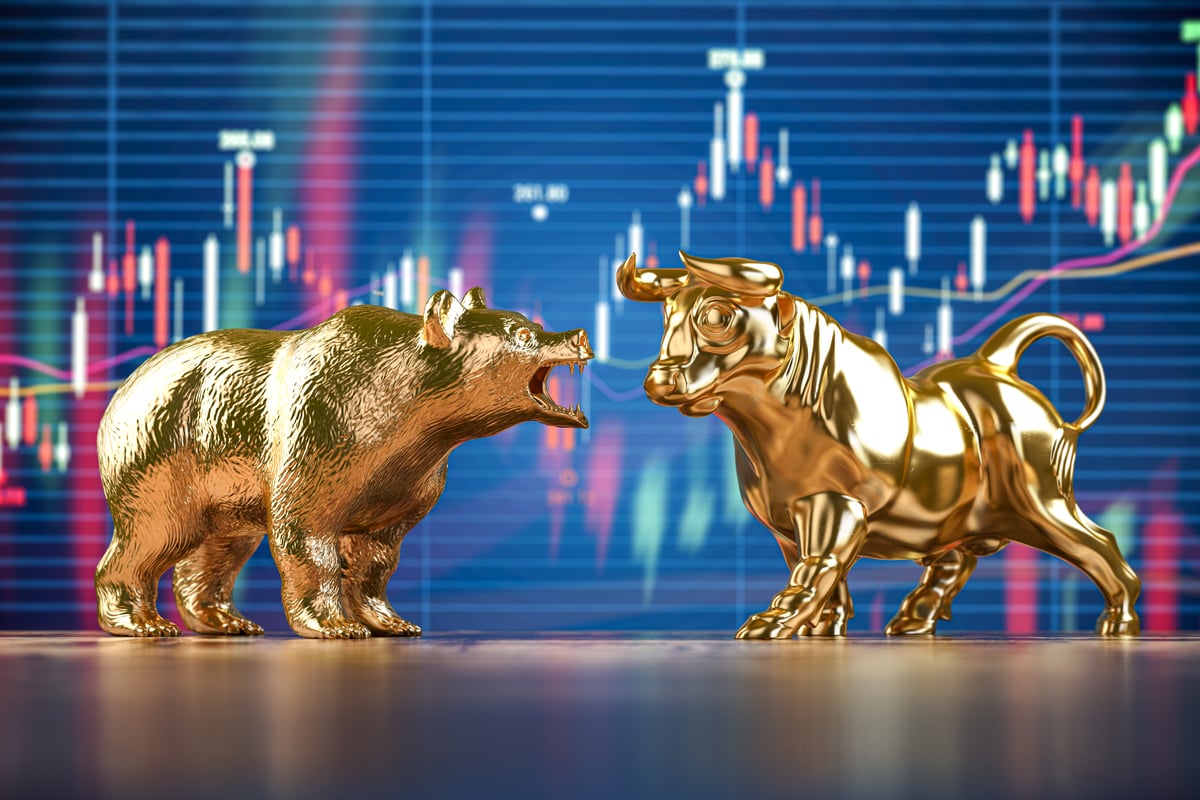
2. Robinhood stock hasn't weathered a bear market yet
This is probably the biggest reason why Robinhood stock isn't likely to set you up for life. Robinhood's trading platform has become massively popular over the past few years, benefiting from a bull market that began toward the end of 2022.
Bull markets last, on average, about seven years, so there could still be some good days ahead for Robinhood shareholders. But when a bear market comes, and they always do, stock trading will likely slow down. And when that happens, Robinhood's growth will likely slow down with it.
Robinhood went public in 2021, so it hasn't yet weathered a prolonged market slowdown. And given its incredible share price gains over the past few years, investors may be more apt to take their gains and walk away if poor market conditions eventually come.

NASDAQ: HOOD
Key Data Points
What should current Robinhood shareholders do now?
I don't think Robinhood shareholders should necessarily sell their shares right now if they've been holding them for a while. Of course, if you need to sell, the impressive gains over the past few years are certainly a nice return.
But it's a good idea to keep track of how well the company responds to any eventual slowdown in the market and economy. Layoffs have been on the rise, and recent moves by the Trump administration to put pressure on the Federal Reserve have some investors concerned.
Robinhood's sales and earnings are up, with revenue doubling to $1.2 billion and diluted earnings per share soaring 259% to $0.61 in the third quarter (which ended Sept. 30). The company's total funded accounts also jumped 10% to 26.8 million, an impressive increase. But if shareholders notice a significant shift in the company's growth in the coming quarters, paired with a broader market decline or unstable economic conditions, it may be time to reassess holding the stock.
All of this means that buying Robinhood stock and hoping it will make you rich at this point probably isn't a good plan, but current shareholders should be pleased with the company's impressive growth.