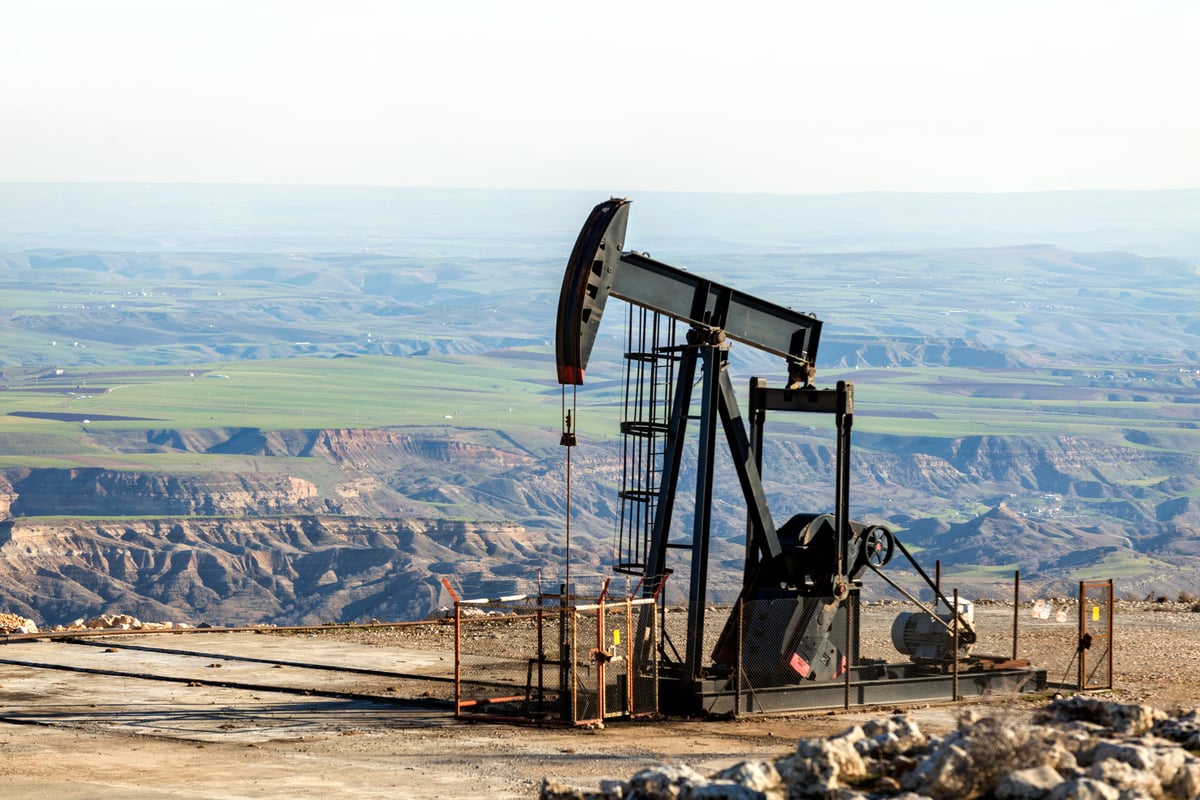
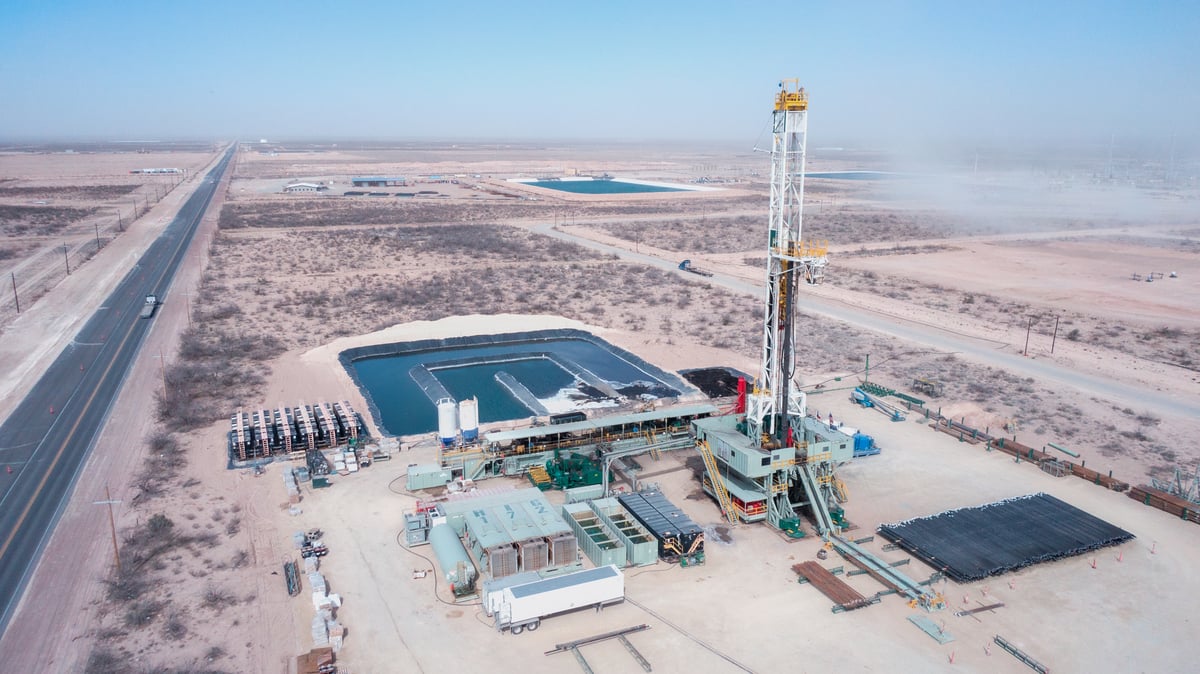
There's no getting around the fact that oil and gas exploration and production companies' prospects are tied to oil prices. That said, investors still need to consider the upside and downside potential of each stock, as well as the risks involved.
On this basis, Diamondback Energy (FANG +2.89%) is a better stock to buy than Vitesse Energy (VTS +1.08%) in 2026. There are two reasons why.
Image source: Getty Images.
Vitesse Energy is a high-yield stock for investors seeking passive income
The two companies encompass vastly different business models and operating philosophies. Vitesse Energy's model is that of a non-operator (it buys stakes in myriad wells in the Bakken area) aiming to effectively be a Bakken exchange-traded fund (ETF). Management uses a proprietary data system to identify wells to invest in, and it has interests in more than 7,600 wells operated by larger companies, including Chord Energy, Devon Energy, and Continental Resources.

NYSE: VTS
Key Data Points
It's an interesting business model that diversifies risk across many wells and doesn't tie up cash in operating wells or in maintaining drilling commitments. Management also uses a flexible hedging strategy to mitigate its downside exposure to a decline in oil prices.
It exists to return capital to shareholders via dividends (current yield 11.7%).
Diamondback Energy: Dominating the Permian Basin
In contrast, Diamondback is focused on the more productive Permian Basin and is an owner-operator known for being one of the lowest-cost oil producers in the industry. For example, management outlines that its base dividend of $4 a share (currently yielding 2.6%) is protected down to a price of oil of $37 a barrel, and its hedges started protecting it from a price of $50 a barrel and below.

NASDAQ: FANG
Key Data Points
Its capital return policy is flexible, offering a base dividend, opportunistic share buybacks, and a variable dividend. As you can see below, management's estimates for free cash flow (FCF) in 2025 imply a strong ability to generate capital returns at the current oil price of about $59 a barrel.
|
Diamondback Estimates for 2025 |
$50 per barrel |
$60 per barrel |
$70 per barrel |
|---|---|---|---|
|
Free cash flow per share |
$19 |
$20 |
$21 |
|
Free cash flow yield* |
12.6% |
13.2% |
13.9% |
Data source: Diamondback presentation. *Based on the share price at the time of writing of $151.28.
Why Diamondback Energy is the better buy
There are two reasons why Diamondback Energy stock is the better buy between the two. First, although Vitesse's business model is to be a non-operator, it bought Lucero Energy last year. Now, Vitesse operates 10% of its own assets. This change doesn't align with its original business model and might suggest that management is having trouble finding non-operating investments.
Second, 60% of Vitesse's 2025 oil production is hedged at just under $70, while the remaining 40% is not protected. If oil prices drop, it will be much more expensive to hedge the remaining production at similar prices.
Because of these factors, Vitesse's dividend, which is the main reason many investors buy the stock, could be at risk if the Trump administration institutes actions that further lower oil prices. In contrast, Diamondback's low breakeven costs help protect it if oil prices fall.
Overall, Diamondback offers a better balance of risk and reward in 2026.