Finding long-term winners in the retail sector has always been challenging. It requires keeping up with changing consumer tastes while facing intense competition, including from new entrants. Walmart (WMT 0.70%) and Costco Wholesale (COST +1.30%) have been two of the more successful retailers throughout the decades. And they've rewarded shareholders.
But which company is poised to produce a better long-term return? To make that determination, it's time to look at each company's fundamentals and valuation.

Image source: Getty Images.
Walmart
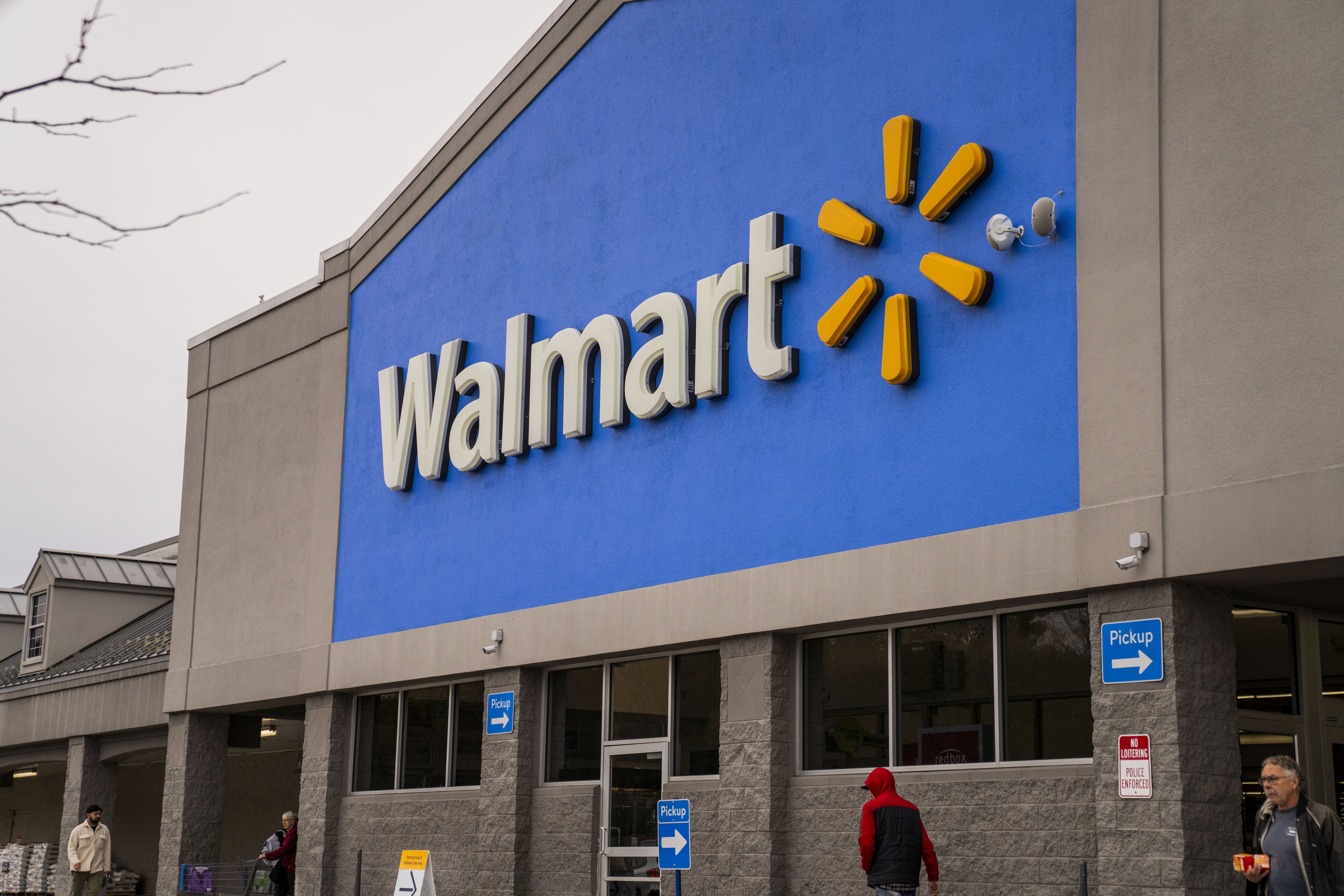
Walmart is a very popular shopping destination. It has 270 million visitors to its stores and websites every week, and it generates the sector's highest revenue.
What makes Walmart such an attractive place to shop? It has a simple, but very effective, strategy that it has perfected over the company's more than six decades of existence. Walmart keeps costs ultra-low, including using its size and clout to negotiate effectively with suppliers, allowing it to pass these savings on to customers in the form of low prices.
In fact, shoppers would be hard-pressed to find lower prices, even from online competitors like Amazon. The low-cost, low-price strategy gives Walmart a major competitive advantage. Management hasn't stood still, either. It's made technology investments to make the shopping experience faster and more convenient. This includes same-day pickup and delivery.
During the first nine months of the fiscal year (ended Oct. 31), Walmart's capital expenditures totaled $18.7 billion. It allocated the majority of this amount to improving the supply chain, customer-facing initiatives, and other technology.

NASDAQ: WMT
Key Data Points
Walmart's broadly low prices and convenience have clearly resonated with consumers. Fiscal third-quarter same-store sales (comps) at its Walmart U.S. locations grew 4.5%, driven by higher traffic (1.8 percentage points) and increased spending (2.7 percentage points). The U.S. locations produce the majority of Walmart's revenue.
Costco
Costco has earned a reputation for selling a wide range of goods and services at attractive unit prices at its huge warehouses. Often, it sells items in bulk. You have to pay an annual fee to shop at its warehouses. Despite a fee increase in September 2024 (the first time in seven years), membership growth continued, and retention remained high.
Paid memberships totaled 81 million at the end of fiscal 2025, which ended on Aug. 31. That's a 6.3% increase from the previous year. They grew to 81.4 million in the first quarter. Renewal rates continue to hover at about 90%. These two stats show that consumers continue to find value in a Costco membership.
Members continue to shop and spend money at Costco. Its first-quarter comps, removing foreign-exchange translations and the impact from changing gas prices, increased 6.4% across the company.

NASDAQ: COST
Key Data Points
Management continues to open new warehouses, including internationally. It ended the quarter with 923 locations, with 633 in the U.S. It had 914 at the end of the year. The company typically opens between 20 and 30 each year.
Making the choice
It's a very difficult decision. Both companies have executed their strategies very well for a long time, and they remain in a position for future success. Walmart's stock returned 32% over the last year through Jan. 16. That's higher than the S&P 500 index's 18.4% gain.
Walmart's shares don't trade at a cheap valuation, as measured by the price-to-earnings (P/E) ratio. The stock has a P/E multiple of 42 versus the 10-year median of 29. The current P/E ratio is also higher than the S&P 500's 31 earnings multiple.
Costco's share price didn't perform nearly as well over the last year, returning 5.3%. Nonetheless, despite the recent lackluster return, the stock remains richly valued, with a P/E ratio of 52. Over 10 years, the shares had a median P/E multiple of 37. However, I believe Costco has better expansion opportunities that justify the richer valuation. Based on its growth potential, I'd choose Costco's stock.