2026 hasn't been a happy New Year so far for Intuitive Surgical (ISRG +1.51%) shareholders. The robotic surgical systems stock is in negative territory. And Intuitive's latest quarterly results didn't help much.
Granted, the company handily beat Wall Street earnings per share estimates for the fourth quarter of 2025. However, not everything in Intuitive's update was as encouraging. Here are three troubling trends for Intuitive Surgical – and one bright spot.

NASDAQ: ISRG
Key Data Points
1. Challenges in Asia
Intuitive Surgical CFO Jamie Samath said on the Q4 earnings call that procedure growth in Japan remained below expectations, as it was in the previous quarter. Samath noted that the Japanese Ministry of Health, Labor, and Welfare is nearing the end of its evaluation of reimbursement guidelines for additional robotic procedures, scheduled to take effect in June 2026.
A more concerning challenge for Intuitive Surgical in Asia, though, is the increased competition from Chinese robotic surgical systems companies. Samath said that Chinese provincial tenders favored local suppliers and lower pricing, negatively affecting Intuitive's performance in the country.
Intuitive Surgical CEO David Rosa also addressed this issue. He mentioned that the number of robotic surgical systems companies in China has increased in recent quarters. Rosa acknowledged that these rivals have similar technologies as Intuitive, which diminishes his company's competitive advantage. As a result of this increased competition, pricing has become a much more critical factor in the tender process.
2. Declining Ion system placements
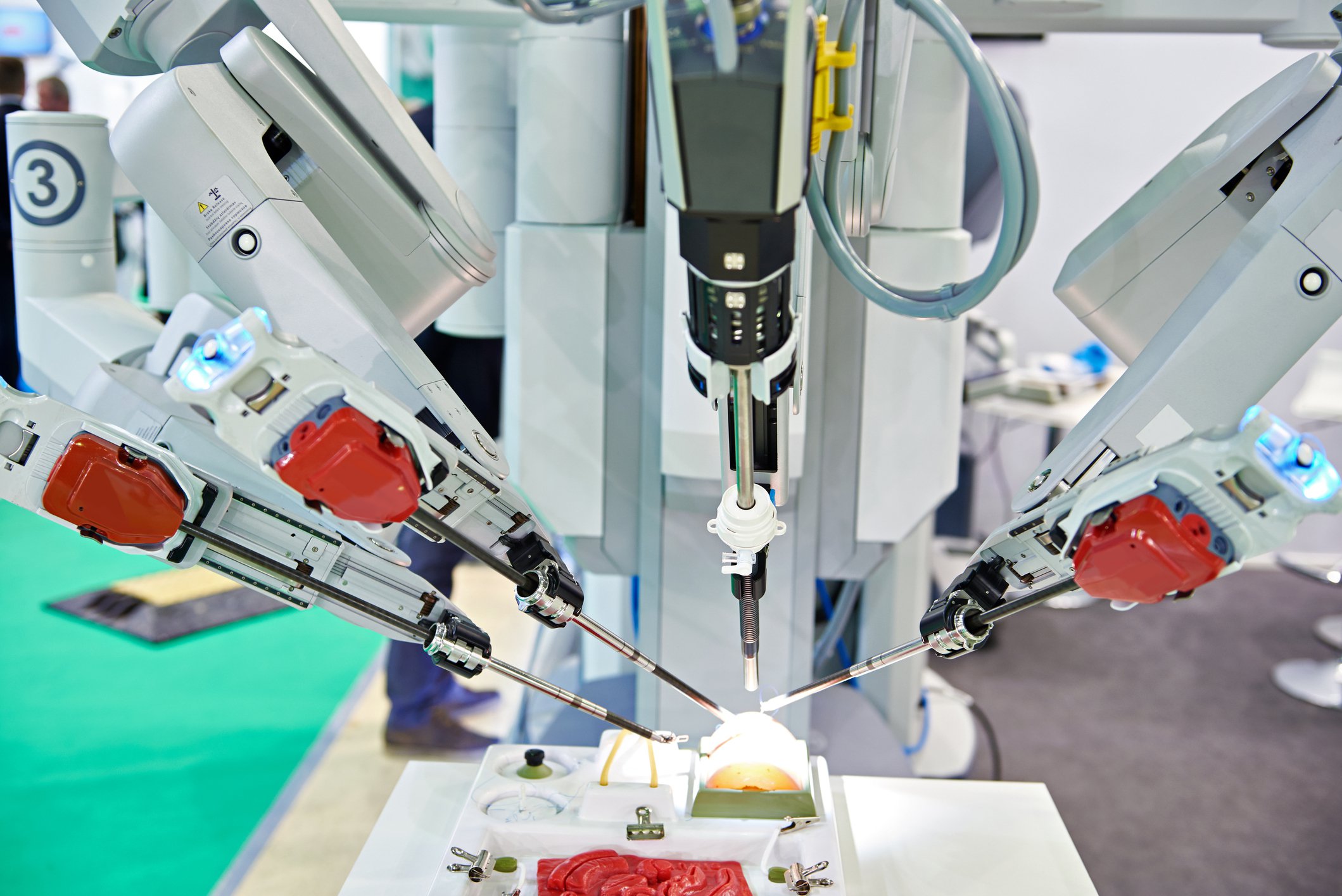
While da Vinci remains Intuitive Surgical's flagship product, the company has seen robust growth in its Ion system. Ion is a robotic-assisted technology for collecting tissue samples from deep within the lungs.
The growth story for Ion isn't as encouraging as it has been in the past, though. Intuitive Surgical placed 42 Ion systems in the fourth quarter of 2025, down significantly from the 69 system placements in the prior year period.
Samath attributed the decline to U.S. customers focusing on increasing utilization. The U.S. utilization rate for the system rose 11% year over year in Q4. However, slowing system placements still isn't good news for Intuitive.
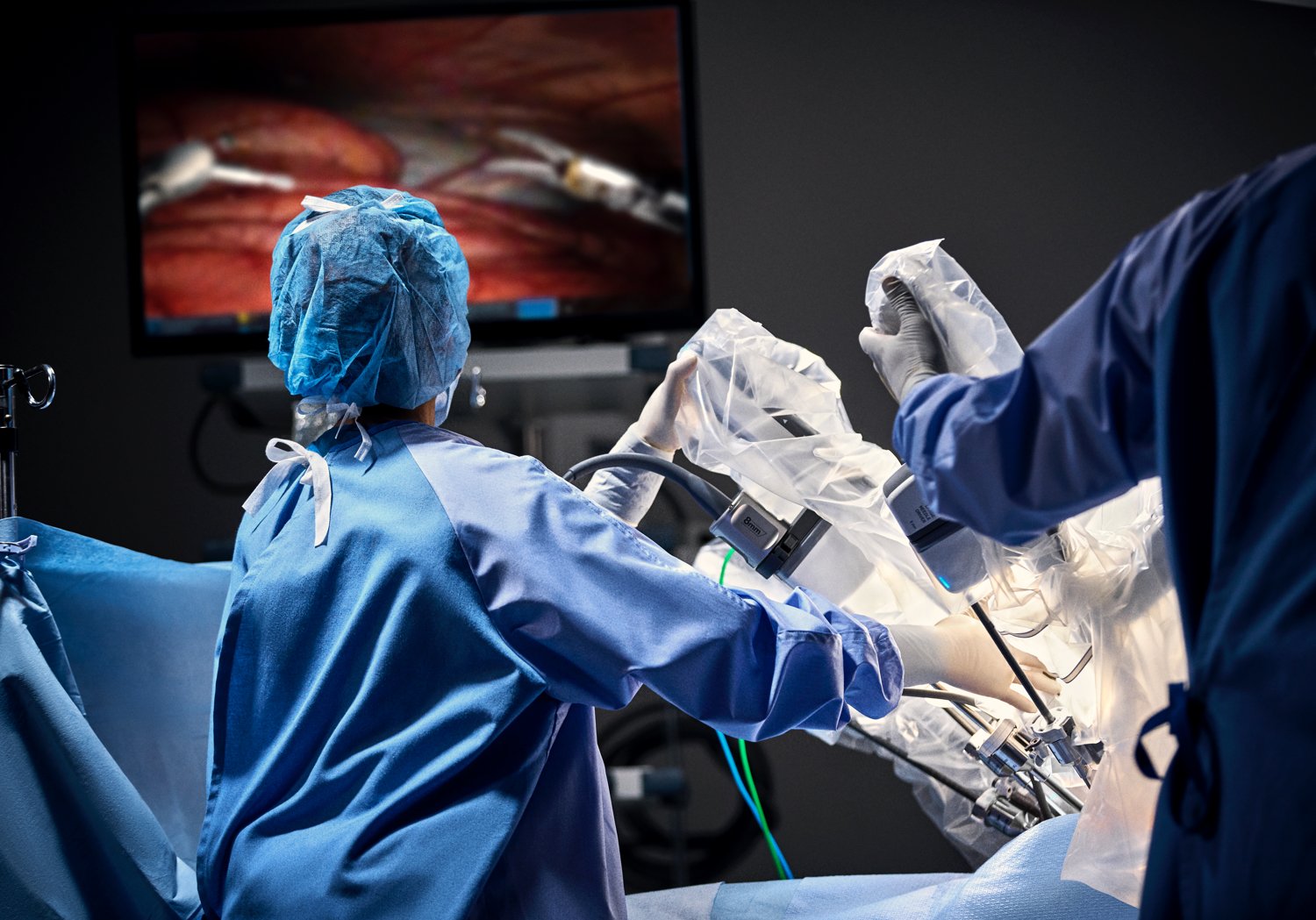
Image source: Intuitive Surgical.
3. Lower da Vinci procedure growth in 2026
Perhaps the most troubling part of Intuitive Surgical's Q4 update, though, was in its guidance for 2026. The company projects da Vinci procedure growth of 13% to 15% this year, well below the 18% achieved in 2025.
What's behind this slowdown? Dan Connally, Intuitive's vice president of investor relations, mentioned several factors in the Q4 earnings call, including capital pressures in some parts of Europe and the potential impact on U.S. hospitals from changes to Affordable Care Act premium subsidies and Medicaid funding.
One bright spot
However, Connally also highlighted a bright spot for Intuitive. He cited a study published in the Annals of Surgery in November 2025 that reviewed 20 years of data related to robotic-assisted surgeries. This study found that patients where robots were used in their surgical procedures were 50% less likely to have to subsequently undergo open surgery than patients who had laparoscopic procedures.
These findings could bode well for Intuitive as it seeks to expand the use of robotic surgery. The company's opportunity is enormous, with roughly 20 million soft tissue surgical procedures performed each year that could be good candidates for robotic assistance.