The past year has been fraught with uncertainty for Nvidia (NVDA +1.53%). The company has played a crucial role in the AI revolution, as its graphics processing units (GPUs) became the AI chip of choice, underpinning these technological advances. Subsequent restrictions on the sale of these processors to customers in China -- which is one of Nvidia's biggest markets -- cast a pall over the company's otherwise exemplary results. Reports suggest the standoff may finally be over.
Chinese regulators have reportedly instructed some of the country's biggest technology purveyors to submit orders for Nvidia's H200 AI chips for approval, according to a report by Bloomberg, citing "people familiar with the situation." This could mark a turning point for Nvidia, which had previously been shut out of this lucrative market.
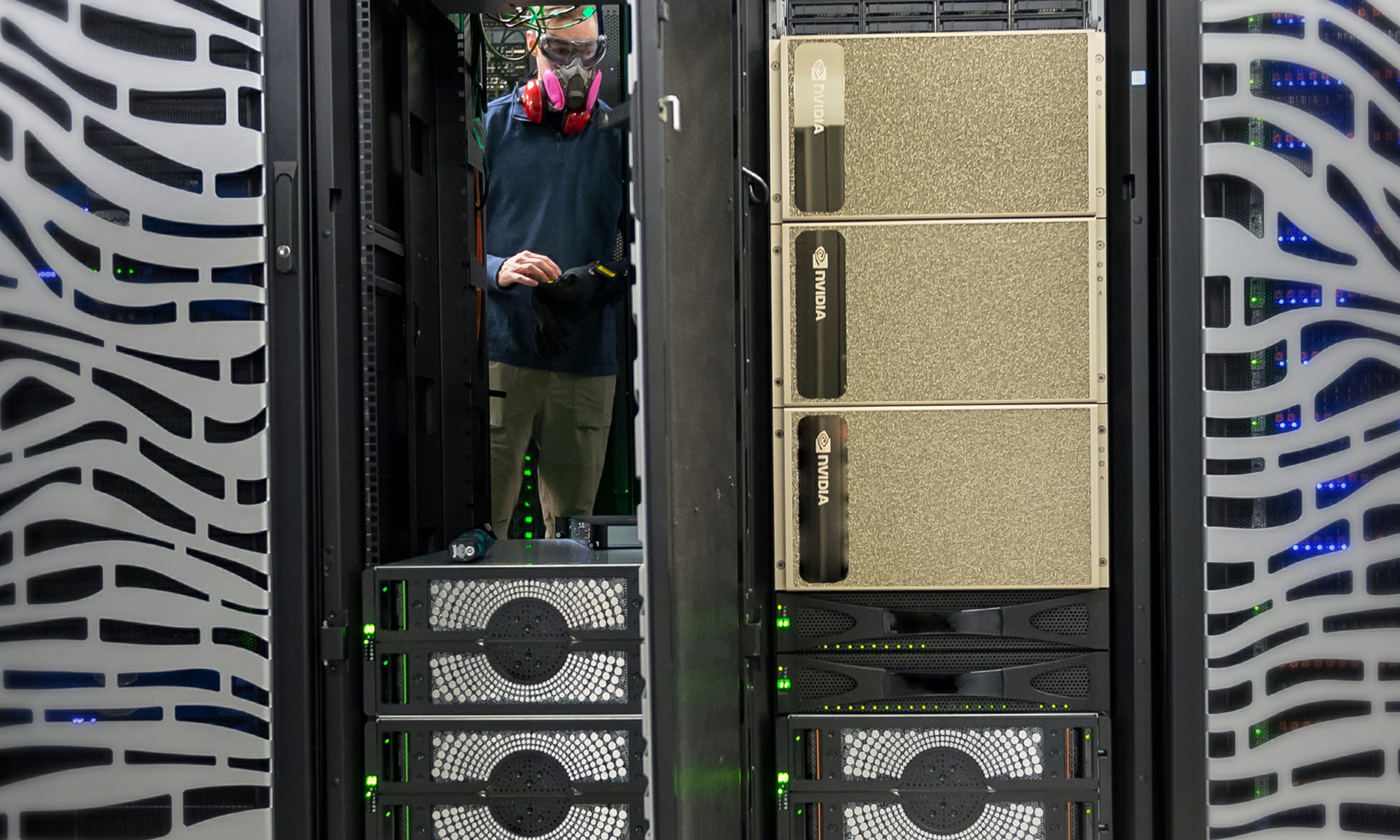
Image source: Nvidia.
These well-known Chinese companies, including Alibaba, Tencent, and former TikTok parent ByteDance, have been told they will be required to buy a certain percentage of domestic chips as part of the conditional approval, according to the report.
Previous reports suggested that Chinese regulators would prohibit the use of these advanced chips in military applications, government agencies, critical infrastructure, state-owned businesses, or other applications that might raise security concerns.
A back-of-the-envelope calculation
This could be an important develop for Nvidia and its shareholders. In 2024, sales of lower-quality AI chips to Chinese customers totaled $17.1 billion, despite a moratorium on the sale of its state-of-the-art AI chips. In early 2025, U.S. export restrictions announced by the Trump Administration resulted in an $8 billion hit to sales.
CEO Jensen Huang recently said there was "very high" demand for H200 chips in China. He suggested that if the imports were approved, the resulting sales could surpass $50 billion per year.
A Reuters report suggests Nvidia has already received orders for 2 million H200 chips from Chinese customers, at a cost of $27,000 each. If accurate, it would result in incremental revenue of $54 billion, which seems to support Huang's assertion.
This total would be reduced by the 25% export levy required by the Trump Administration, leaving Nvidia with $40 billion in incremental revenue from existing orders.

NASDAQ: NVDA
Key Data Points
Nvidia hasn't included any sales to China in its forecast, which would materially increase the company's outlook. Huang previously said Nvidia had an AI chip sales backlog of $500 billion for the six quarters ending in early 2027. CFO Colette Kress has since upped the ante. At an investor event in early January, she said, "The $500 billion has definitely gotten larger."
Analysts' consensus estimates for Nvidia's fiscal 2027 (beginning later this month) call for revenue of $320 billion. $40 billion of incremental revenue at a 56% net profit margin could drive Nvidia's earnings per share (EPS) to $8.29. A current price-to-earnings (P/E) ratio of about 46 would imply a share price of $385, representing potential gains of 105% compared to Friday's closing price.
This could be a windfall for Nvidia and its shareholders.