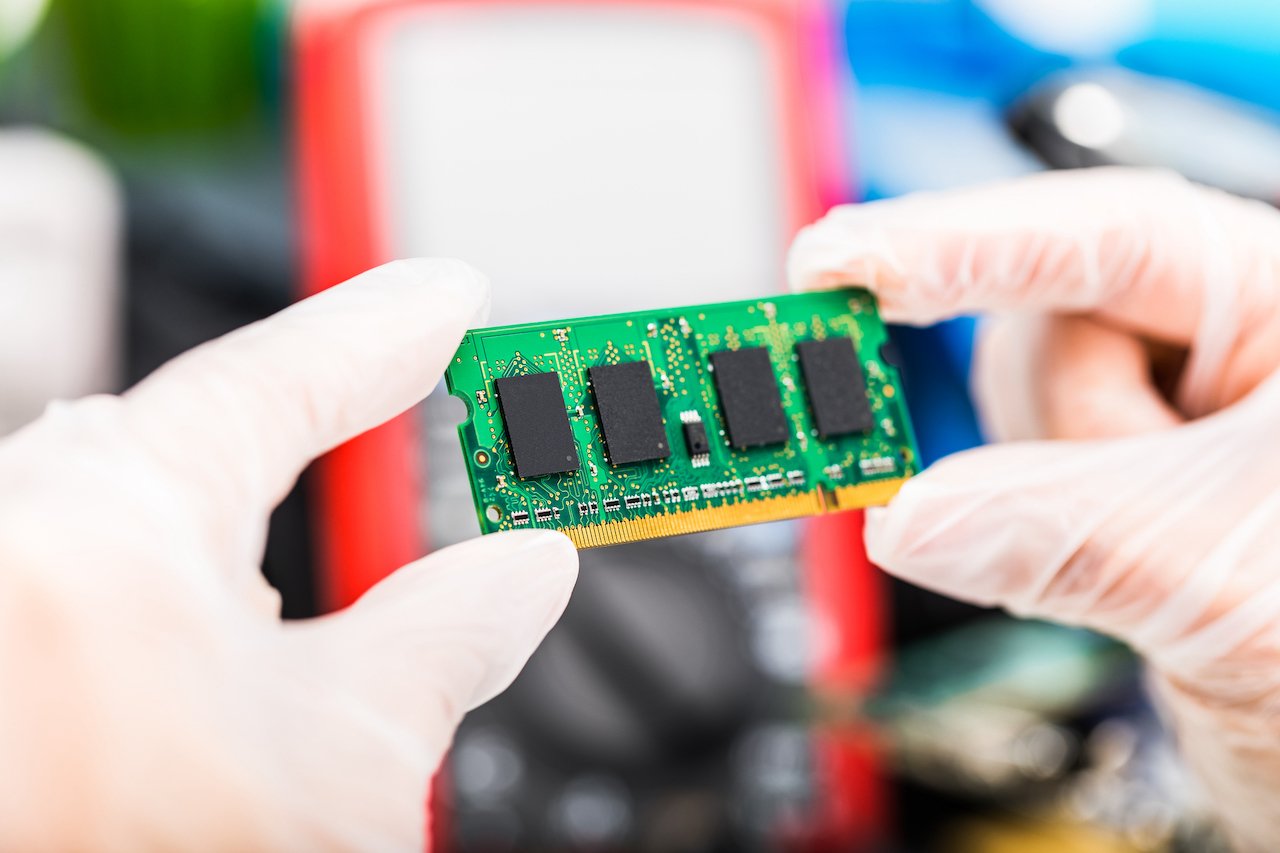
Memory chips play a vital role in the semiconductor space, ensuring that data gets stored reliably and accurately. Given the voracious appetite that artificial intelligence applications have for data, it's crucial that memory chips be able to transmit and share their information as quickly as possible.
The technology behind making that happen has been what Rambus (RMBS 7.58%) has focused its efforts on in recent years, and the semiconductor technology specialist has done a good job of turning its innovation into rising sales and profits. In this second article of a three-part series on Rambus, you'll learn more about the company's financial performance and what has investors excited enough about its prospects that they've sent its shares to new record heights.
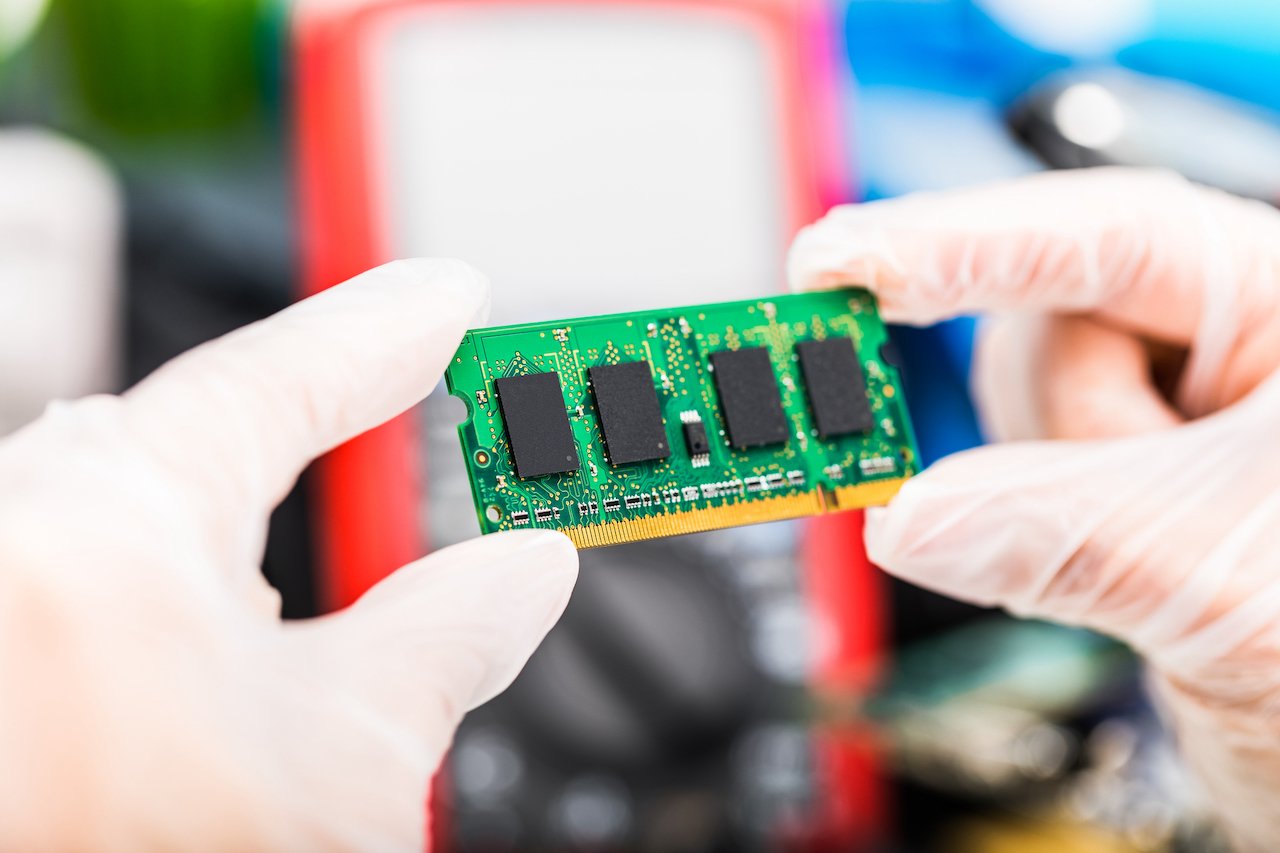
Image source: Getty Images.
Rambus has made products for data centers and AI a top priority
Plenty of companies have targeted AI and AI-related themes like data center construction as pivot points on which to focus their business efforts. But few have been as effective in executing on those plans as Rambus has. The company now gets 75% of its revenue from chips and silicon intellectual property associated with AI and data centers. That played in instrumental role in pushing product revenue up at a 28% average annual pace between 2019 and 2024.
In particular, demand for memory interface chips from Rambus has been voracious . Memory chip revenue has climbed 42% per year over the past five years as Rambus has expanded its portfolio of products in the area. Those results have come largely because of the importance of Rambus' dynamic random access memory (RDRAM) in the hierarchy of memory solutions. Data centers rely on hard disk drives and solid state drives for large volumes of data, but they're much slower to access than the RDRAM and other novel memory solutions that Rambus has embraced.
Yet it's also important to recognize the contributions that areas other than product sales have made to Rambus' financial success. Combined, royalty revenue and sales from contracts and other sources totaled $266 million in the first three quarters of 2025. That's actually slightly more than Rambus brought in from products, and it highlights the importance of Rambus' intellectual property portfolio both now and looking ahead.
Rambus looks much stronger than it did five years ago
It sounds like a simple strategic shift, but Rambus has reaped huge rewards for its efforts. Overall revenue has nearly tripled since 2020. After years of losses, Rambus has been solidly profitable in the past three years. Margin expansion has made it easier for the company to get into the black, and free cash flow has nearly doubled to approach the $300 million over the past 12 months.
In the process, Rambus has strengthened its balance sheet and made smart capital allocation decisions. The company paid down over $165 million in debt in 2022. It has also been making sizable stock buybacks of $100 million each year between 2021 and 2024. Yet it had the discipline to nearly eliminate those buybacks in 2025 as the share price soared to new heights.
Even after returning plenty of capital to shareholders, Rambus has retained enough to consider a wide range of future strategic opportunities. Total cash and marketable securities amounted to over $670 million as of the third quarter of 2025. That easily covers roughly $120 million in balance sheet liabilities and still leaves plenty left over. Investors can anticipate a balanced approach that will likely include investments in organic growth as well as searching for attractive merger and acquisition targets.

NASDAQ: RMBS
Key Data Points
Can Rambus keep rising?
A look at Rambus' books shows that the company's recovery has indeed been real. The question for investors going forward, though, is whether the good times can continue. That's what you'll see in the final article of this series on Rambus for the Voyager Portfolio.