Warren Buffett may have left his seat as chief executive officer of Berkshire Hathaway (BRK.A 0.72%) (BRK.B 0.99%), but the investment portfolio he left to newly appointed CEO Greg Abel isn't likely to see major changes overnight. In fact, some stocks Buffett bought more than 30 years ago could remain in Berkshire's portfolio forever -- Buffett's preferred holding period.
But not every stock gets (or deserves) that treatment. Buffett isn't shy about selling stocks when he believes their valuation has climbed too high or the investment thesis has fallen apart. Over the last few years, he's sold hundreds of billions of dollars' worth of equities from Berkshire's portfolio. That includes cutting Berkshire's stake in Apple (AAPL 0.07%) by nearly three-quarters.
With the sale of Apple shares and the rise of one of Buffett's forever holdings, up 150% in three years, Berkshire Hathaway could have a new top equity position for the first time since 2017.
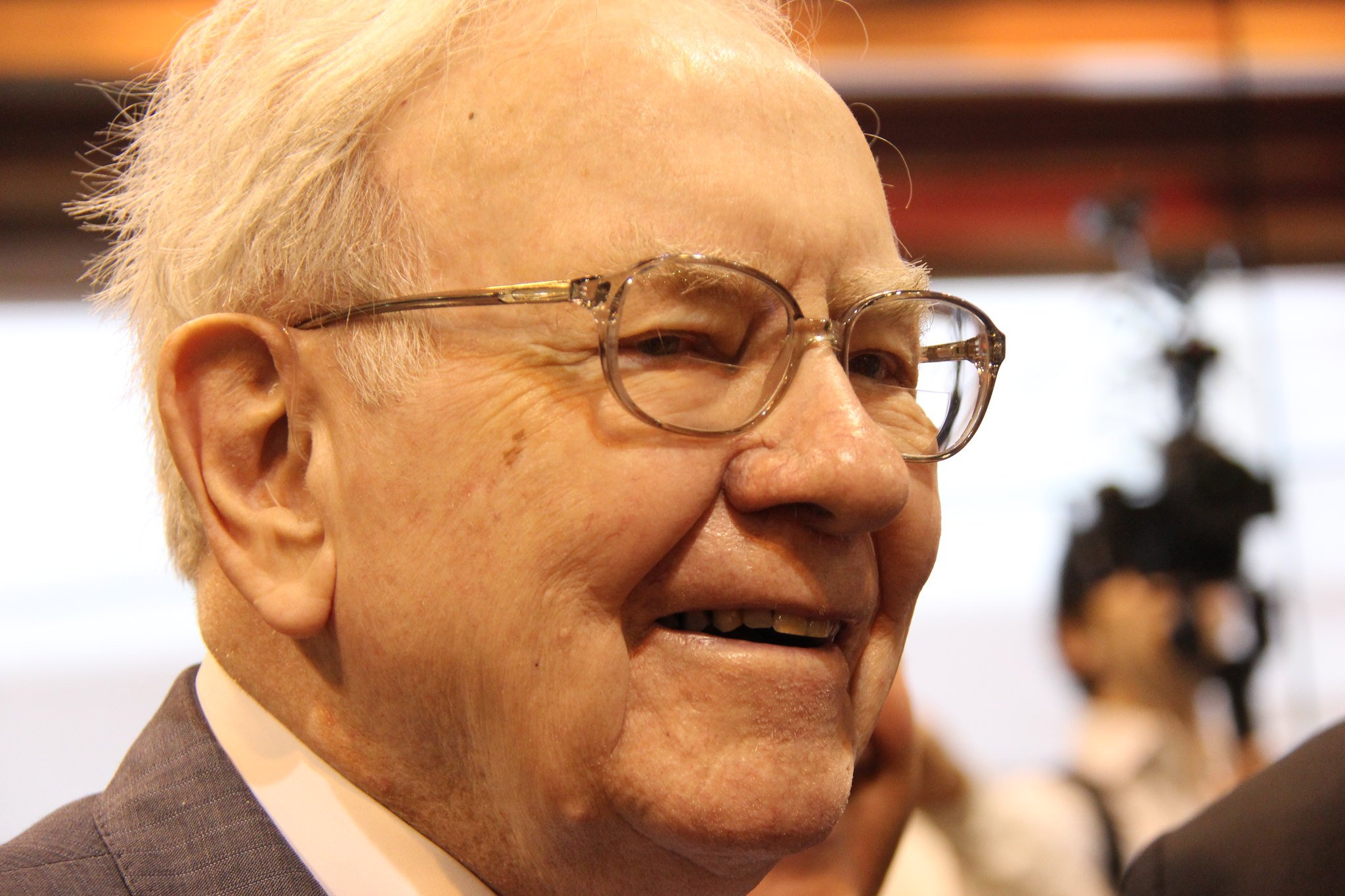
Image source: The Motley Fool.
Picking Apple profits
Buffett's decision to plow more than $30 billion into Apple stock between 2016 and 2018 may go down as one of his best investments in history. During the shareholder meeting in May, he jokingly thanked Apple CEO Tim Cook for making more money for Berkshire shareholders than he ever did. By the end of 2023, Berkshire's stake in Apple was worth about $174 billion, accounting for half of its marketable equity portfolio.
But during the past two years, Buffett trimmed the position, slashing Berkshire's stake by roughly three-quarters. There's a simple reason Buffett has been selling Apple shares. He believes the stock price has climbed well above its intrinsic value.
When Buffett initiated Berkshire's position in Apple, the stock was trading at a remarkable value. In 2016, the stock traded for a price-to-earnings (P/E) ratio of around 11. Given the enormous amounts of cash the company was already generating and its plans to return huge sums to shareholders through dividends and repurchases, the stock was an incredible value. By the time Buffett had completed most of his Apple purchases, the stock's P/E had climbed to a mid- to high teens.

NASDAQ: AAPL
Key Data Points
Today, Apple shares trade for 33 times trailing earnings and 30 times forward earnings expectations. While the company posted strong earnings-per-share growth recently, up 23% last year, analysts expect that growth to slow to about 11% per year during the next two years. Given that level of growth, the stock looks expensive. So, it's no wonder Buffett has cut the shares from the portfolio, as the stock price has continued to climb during the past two years.
Even after drastically slashing its stake in Apple, the stock remained Berkshire's largest equity holding, based on the company's most recent Securities and Exchange Commission (SEC) filings. Whether Buffett continued to sell Apple in the fourth quarter remains to be seen, but based on the continued run-up in its stock price, it wouldn't be a surprise if that was the case.

NYSE: BRK.B
Key Data Points
The forever holding that could take over as Berkshire's top stock
If Buffett did indeed sell more Apple shares in the fourth quarter, Berkshire shareholders could see another longtime holding return to the top spot in the company's quarterly filings. While Berkshire hasn't bought a single share of the stock since 1995, it also hasn't been on the chopping block amid Buffett's selling spree over the last few years. And with the shares climbing 150% between 2023 and the end of 2025, that decision has been rewarded.
The stock I'm talking about is American Express (AXP 1.72%). And despite its strong performance during the last three years, it still looks like a stock Greg Abel and his team of investment managers at Berkshire will hold forever.
That's because even after more than doubling in three years, Amex hasn't grown to an unreasonable value relative to its earnings or Berkshire Hathaway's total portfolio. Berskhire's stake in Amex was worth about $2 billion at the end of 1995, or about 5% of Berkshire Hathaway's overall market cap. Today, the conglomerate's 22% ownership stake in Amex is worth about $54 billion, or still roughly 5% of Berkshire Hathaway's overall market cap. Historically speaking, this is a very comfortable level of exposure to Amex for Berkshire to hold.

NYSE: AXP
Key Data Points
While Amex's forward P/E ratio has climbed to about 20, thanks to its strong stock performance, that price doesn't look too expensive either. Amex is successfully going after the high-end consumer and small-business segments with its Platinum cards, for which it just raised the annual fees. Customers flocked to the product refresh, with management noting strong early momentum for the new Platinum cards. Additionally, that high-end customer segment tends to spend more than average, resulting in significant revenue per customer.
Interest income remains a small part of the business, as Amex has historically offered charge cards that require payment in full at the end of each billing cycle. As a result, it's less prone to proposals for capped interest rates on credit cards or other credit card regulations.
The strong product refresh, combined with steady growth in spending across its entire product portfolio, should drive strong top-line growth during the coming year. Its share repurchase program and consistent margins should enable double-digit percentage earnings-per-share growth, more than justifying the stock's valuation. So, while Berkshire's been selling Apple shares, it has every reason to keep holding its Amex shares, which could push it to the top of its equity portfolio.