What's one of the biggest trends in retail right now?
Discounters. If you look at the year-to-date performance for the S&P 500 group labeled "Consumer Defensive -- Discount Stores," you'll see that each of the five stocks in the group is significantly outperforming the S&P 500 index this year.
The S&P 500 is up about 1% since the beginning of 2026 and 14% over the past 52 weeks. Here are the five discount retail stocks in the S&P 500 and their performance year to date and over the past 52 weeks.
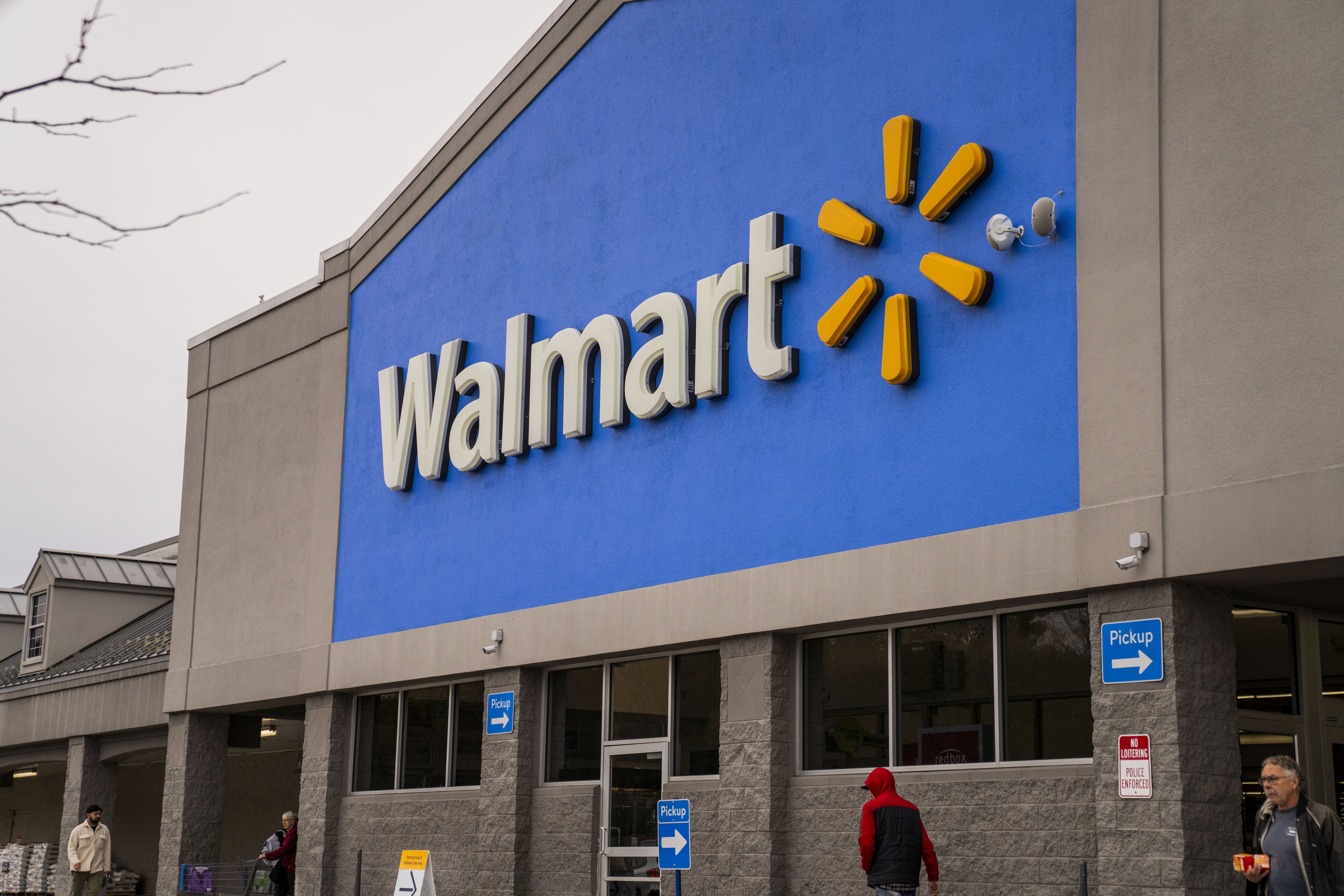
- Walmart (WMT 0.59%) is up 5.8% year to date and 26.6% over the past 52 weeks.
- Costco Wholesale (COST 0.72%) is up 13.7% year to date and 3% over 52 weeks.
- Target (TGT +0.14%) is up 10.1% year to date but down 22% over 52 weeks.
- Dollar General (DG 1.78%) up 9.9% year to date and up 100% over 52 weeks.
- Dollar Tree (DLTR 2.84%) up 3.1% year to date and up 72% over 52 weeks.
So it's clear that these stocks are all having a great 2026 and, with the exception of Target and Costco, are all outperforming the S&P 500 over the past year, too.

Image source: Getty Images.
Elevated prices are sending consumers to discount stores
What's driving these retailers' stocks higher? Inflation is the primary reason. And, perhaps surprisingly, both low-income and higher-income consumers are flocking to discount stores to combat it.
As of September 2025, some 28% of high-income Americans (defined as households earning about $170,000 year or more) shopped at a discount chain, up from about 20% four years earlier, according to GlobalData Retail. For low-income consumers (with household income below $56,500), that percentage rose from less than 84% in 2021 to over 88% in 2025. And among middle-income households (with income between $56,500 and $170,000), the number jumped from 47.5% to more than 59%.
As a result, in the fourth quarter of 2025 same-store sales were 5.7% above the previous year's level at Costco, 4.2% higher at Walmart, and 4.2% at Dollar Tree.

NASDAQ: WMT
Key Data Points
Of course, inflation has come down significantly from its recent peak of about 9% in June 2022, as measured by the Consumer Price Index. But the inflation rate remains elevated at around 2.7%, which is above the Federal Reserve's target inflation rate of 2%. More important, a falling inflation rate doesn't mean that prices are returning to pre-2022 levels -- that would be deflation, while what we've seen over the past three years is technically called disinflation, or a slowing in the rate of price increases.
So while prices today are rising more slowly than in recent years, they remain significantly higher than what they were back in 2022. Food prices in particular are higher. As of December 2025, they were 18.6% above their January 2022 level.

NYSE: TGT
Key Data Points
Given that increase, It's no wonder that more consumers are seeking bargains at chains like Walmart, Costco, and Dollar General. (Nor is it surprising that the issue of "affordability" has emerged as a white-hot political topic that some politicians are riding to political victory.)
Plus, consumer confidence is flagging due to elevated costs and a slowing job market. The University of Michigan Index of Consumer Sentiment in January was 21% lower than a year ago.
Inflation could surprise to the upside this year
The question for investors interested in discount retail stocks is, will the trend in consumer prices last?
Well, some economists expect inflation to remain elevated through 2026. Some even believe the inflation rate will surprise to the upside. Changes in immigration policy, plus the lagged effects of the Trump tariffs on import prices, and loosening monetary policy (which tends to send prices higher), could send inflation higher again this year.
Either way, prices won't come down unless there is actual deflation, which is typically caused by a recession. That scenario looks unlikely at the moment. Meanwhile, discount retailers and their shareholders should continue to benefit from higher prices. That's a very good reason to consider investing in these stocks now.