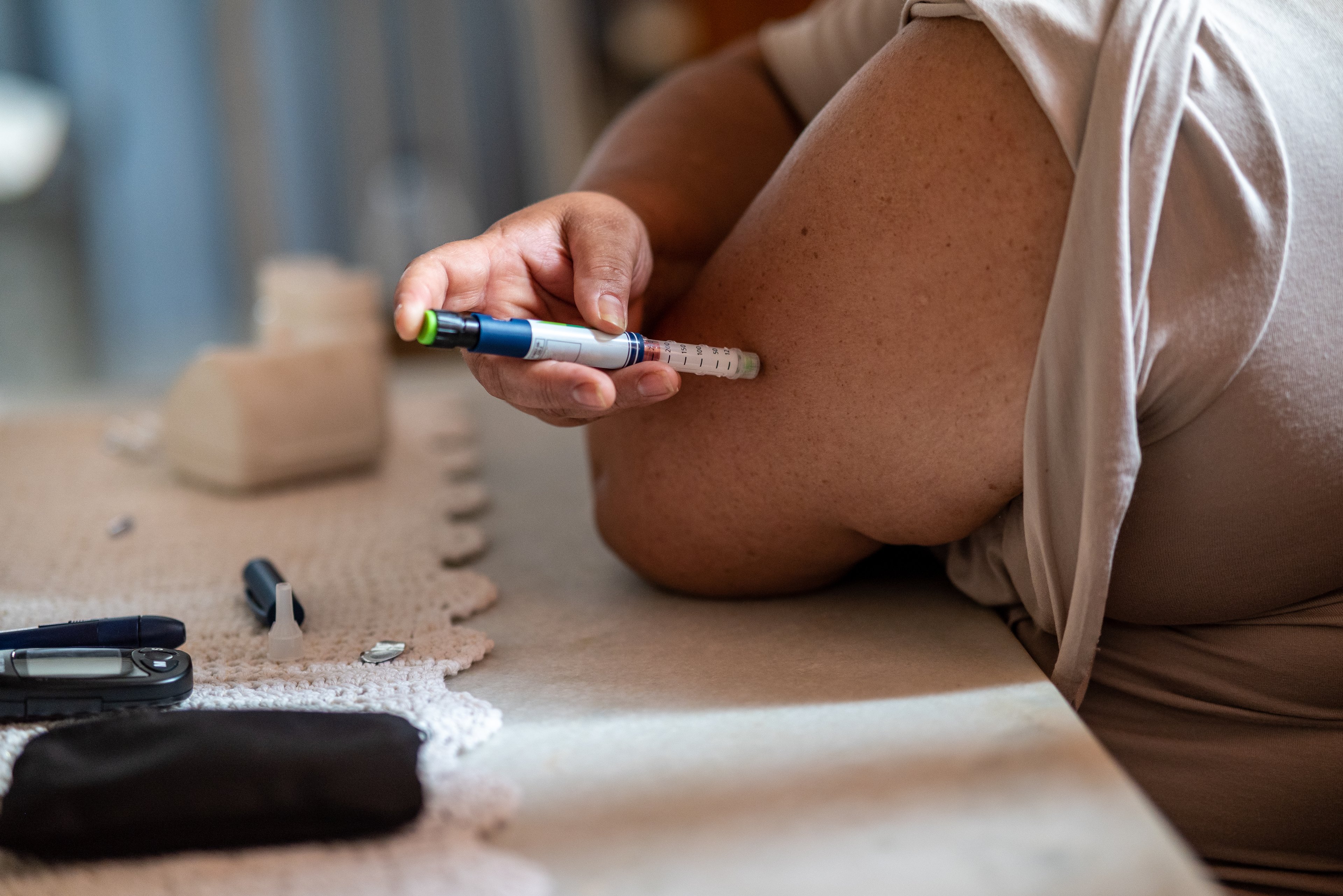
If you follow the news at all, you know that GLP-1 weight loss drugs are having a massive impact on society. The leader in the GLP-1 space today is Eli Lilly (LLY 0.90%). That helps explain why Wall Street is so excited about the company's stock, pushing its price-to-earnings (P/E) ratio to a whopping 53 times. There's just one problem investors need to understand before buying this drug maker.
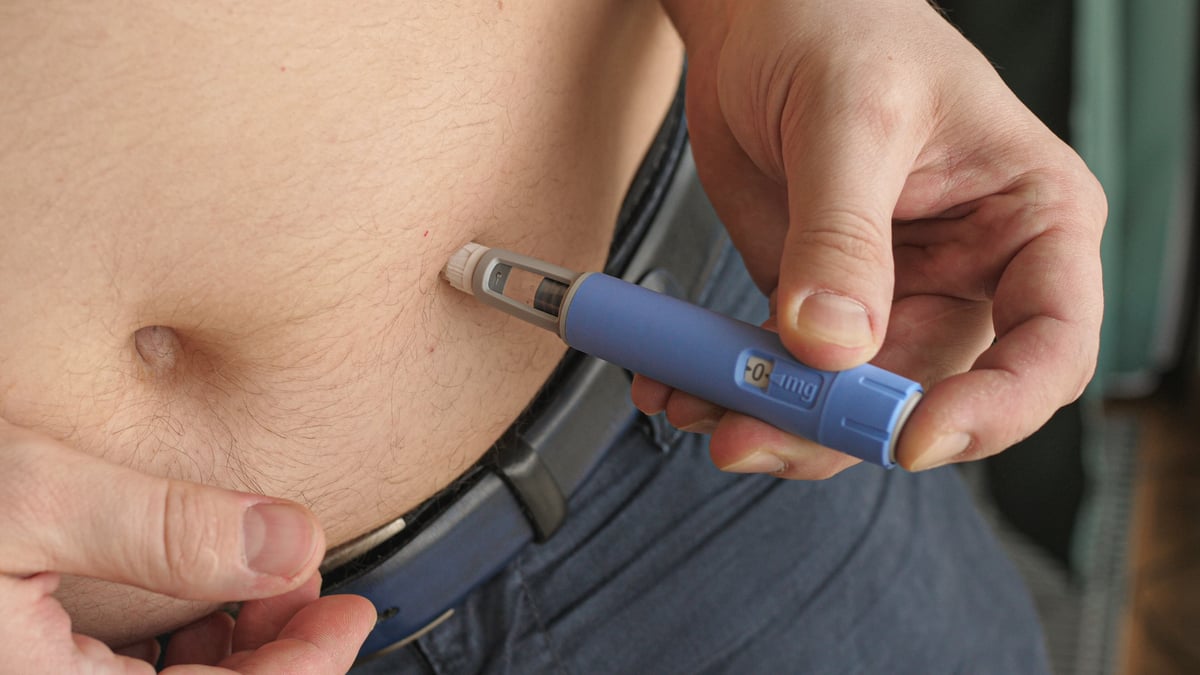
Image source: Getty Images.
How expensive is Eli Lilly?
Eli Lilly's big problem isn't the valuation of its stock. However, the valuation is the starting point for investors who buy it. And right now, Eli Lilly's stock is expensive. For comparison, the S&P 500 (^GSPC +0.42%) is trading near all-time highs, and the average P/E for the index is roughly 28 times.
However, a better comparison point might be other pharmaceutical stocks. Using iShares U.S. Pharmaceuticals ETF (IHE +0.63%) as an industry proxy, the average P/E for drugmakers is 30 times. So, Eli Lilly's 53 times P/E ratio is well above both the market and the average drug stock.
In some ways, that valuation makes sense. In the third quarter of 2025 alone, sales of Eli Lilly's GLP-1 drug Mounjaro grew 109% year over year. Sister GLP-1 drug Zepbound grew even more, with a 185% revenue jump. That is incredible growth and shows just how much demand there is for GLP-1 weight loss drugs.
The problem is the industry, not the drug
That said, Mounjaro and Zepbound now make up over 50% of Eli Lilly's top line. The drugmaker is hugely reliant on these two blockbuster drugs to support its income statement. That won't last, by design.
Pharmaceutical companies are granted a limited period of exclusivity to sell a drug they develop. When that patent protection ends, generic drugmakers can begin producing the same drug, usually at a lower price. When this happens, the branded drug usually sees a material drop in sales. This is what's called a patent cliff. In a decade or so, investors are likely to start worrying about Eli Lilly losing patent protections on its GLP-1 drugs.

NYSE: LLY
Key Data Points
However, it may not take that long for problems to start showing up. For example, at the start of 2026, Novo Nordisk (NVO 1.74%) began selling a pill version of its Wegovy GLP-1 drug. Given that Mounjaro and Zepbound are shot-based medications, it wouldn't be surprising to see a pill version take market share.
Of course, Eli Lilly is working on its own GLP-1 pills, but the real takeaway is that innovation hasn't stopped in the GLP-1 space. Eli Lilly's offering could be surpassed by another company's GLP-1 drug. After all, Eli Lilly's GLP-1 shots did exactly that to Novo Nordisk's Wegovy shot.
Everyone is aiming at Eli Lilly
As the current leader in the GLP-1 space, every company is taking aim at Eli Lilly. For example, Pfizer (PFE +2.59%) recently acquired a company with a promising GLP-1 pipeline and has agreed to distribute a Chinese company's GLP-1 pill if it gets approved. Given Eli Lilly's lofty valuation, Wall Street may be pricing in too much good news.
Not only is the cash gusher from Eli Lilly's GLP-1 drugs destined to eventually end, but the industry is also highly competitive. This helps explain why Eli Lilly is busy acquiring companies right now to bolster its drug pipeline outside of the GLP-1 space. While Wall Street is focused on today's success, management knows it has to prepare for 10 years down the road, when its GLP-1 drugs aren't as exciting anymore.