It's been a disappointing past couple of years for Arm Holdings (ARM 4.28%) shares. After soaring shortly after its September 2023 public offering, the stock has not made any net progress since February 2024.
But it makes sense. The artificial intelligence (AI) revolution was well underway by that time. Arm shares were fully valued based on their obvious future value. Arm's microchip architecture is incredibly power efficient, making its know-how critical to the increasingly cost-minded AI data center industry. (Amazon's newest Arm-designed Gravitron5 data center processor, for perspective, improves users' performance by 30%, while also reducing their total computing costs by 30% compared to other processor options available through Amazon Web Services.)
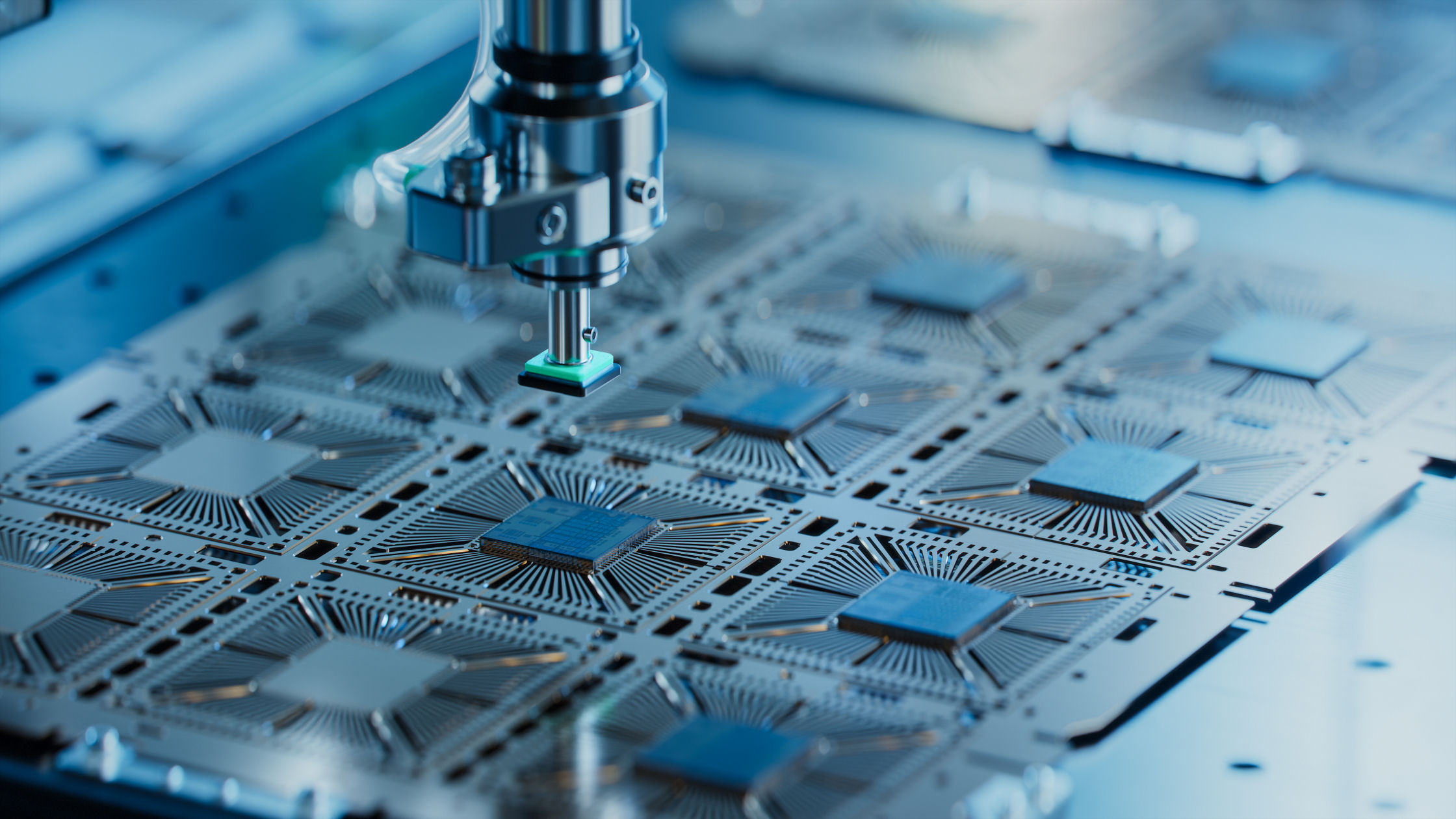
Image source: Getty Images.
Nothing lasts forever, though. Eventually, a strong growth company's results catch up with -- and then eclipse -- a stock's steep valuation. Arm Holdings may be about to do this to its shares.
Not your typical semiconductor or chipmaking business model
The key here is Arm's somewhat complicated business model. Although it's planning to manufacture its own chips at some point in the future, for now, Arm only licenses its know-how and/or collects royalties from chipmakers that need it. These revenue-generating agreements often last for two to four years (minimum), although in many cases can last much longer.
And that's why the timing of Arm's most recent AI data center chip deals is so noteworthy. Most of the biggest and best ones aren't yet producing nearly as much revenue as they eventually will. For instance, although Amazon Web Services first began using Arm-based processors in its data centers back in 2018, the ones powerful enough to handle modern-day AI duties weren't really solidified until 2023. And even this fleet of silicon is still being continually updated with processors like the aforementioned Graviton5.

NASDAQ: ARM
Key Data Points
Other powerhouse technology companies are newly counting on Arm's know-how as well. Alphabet's Google tapped Arm Holdings back in 2024 for the chip architecture used in its Axiom processors, designed from the ground up for use in its own AI data centers. Perhaps more noteworthy, however, is the fact that Google's relatively new -- and certainly well-touted -- Tensor processors available to the company's cloud computing customers are also Arm-based.
Meanwhile, although Apple has long leaned on Arm for its home-grown silicon, this relationship dramatically deepened in 2023 when the company "entered into a new long-term agreement with Apple that extends beyond 2040." This, of course, coincides with Apple's (admittedly troubled) efforts to cultivate its own AI offerings for users of its technology.
This year's growth will force investors to appreciate
No, we don't know exactly how much royalty and licensing revenue these agreements will yield, or when they will start showing up in earnest, or for how long. All we know is that analysts expect top-line growth of 21% this year and sales growth of just under 22% next year.
What can be more confidently said is that this year's likely revenue growth should help investors better understand that Arm Holdings has already laid the groundwork for many, many years of this sort of growth. A huge swath of the entire AI industry has already made long-term commitments to Arm's chip designs.