Any investor who even remotely follows the business knows that Nike (NKE 0.47%) is not even close to operating at its best right now. While it's still a leader in the global sportswear market, the company made some notable mistakes in recent years. Nike is working to fix things, but shares have gotten hammered. They are trading 63% below their peak (as of Jan. 23).
This is an interesting business to pay attention to. Here are three metrics that investors in this consumer discretionary stock need to know about.
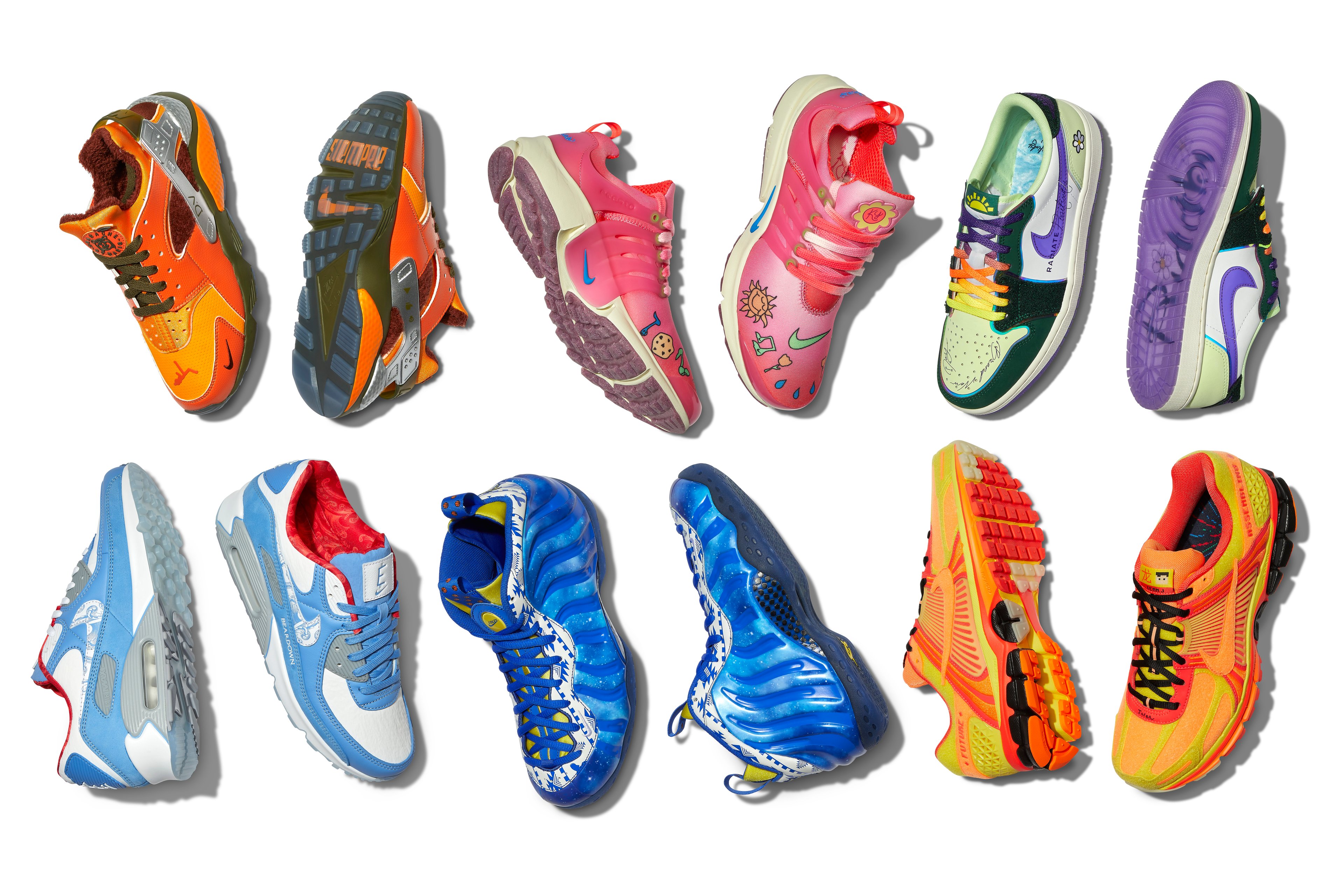
Image source: Nike.
1. Revenue growth
From fiscal 2019 to fiscal 2024, Nike's revenue increased at a solid compound annual rate of 6%. In fiscal 2025 (ended May 31), the top line decreased 10% year over year. It appears as though the situation has stabilized, however. Analysts expect sales to rise 1% in fiscal 2026.
Investors must keep tabs on this metric, as it is the best indicator of demand trends. While no rival comes close to Nike's sizable revenue base, the business has struggled to get back to healthy growth. It's trying to get better at product innovation, which can support consumer interest.
North America, where sales climbed 9% in second-quarter 2026 (ended Nov. 30), is in a much better position than the Greater China segment. Sales here fell an alarming 17% last quarter.
2. Gross margin
Another critical data point is gross margin, which compressed from 43.6% in Q2 2025 to 40.6% in the most recent quarter. Like many other physical goods businesses, this one is dealing with higher expenses due to trade policy changes. On an annualized basis, tariffs are adding an incremental $1.5 billion to Nike's product costs.
The gross margin is also affected by pricing trends. The good news is that the company is moving away from excessive discounts and promotional activity.
As mentioned, refreshing the product line-up is key. However, it's also important that the leadership team correctly rebalance its distribution strategy. It leaned too heavily on e-commerce during the depths of the COVID-19 pandemic. Now it's starting to strengthen relationships with wholesale accounts.

NYSE: NKE
Key Data Points
3. Demand creation expense
Nike is still one of the most powerful brands in the world, regardless of industry. That brand moat is essentially what supports the entire company's success. It's incredibly important that the management team does whatever it takes to maintain the Nike image.
Here's where demand creation expense, what the business calls its marketing cost, comes into play. Nike spent $1.3 billion here in Q2, up 13% year over year, a much faster rate of growth than revenue. The company's high-profile endorsements fall under this category.
"We're certainly focused on continuing to prioritize our investment in demand creation," CFO Matt Friend said on the latest earnings call. Nike will earmark roughly 10% of revenue for this expense, which will continue to give it an edge versus competitors in branding activities.
Focusing on Nike's revenue growth, gross margin, and demand creation expense provides a better understanding for investors interested in this company.