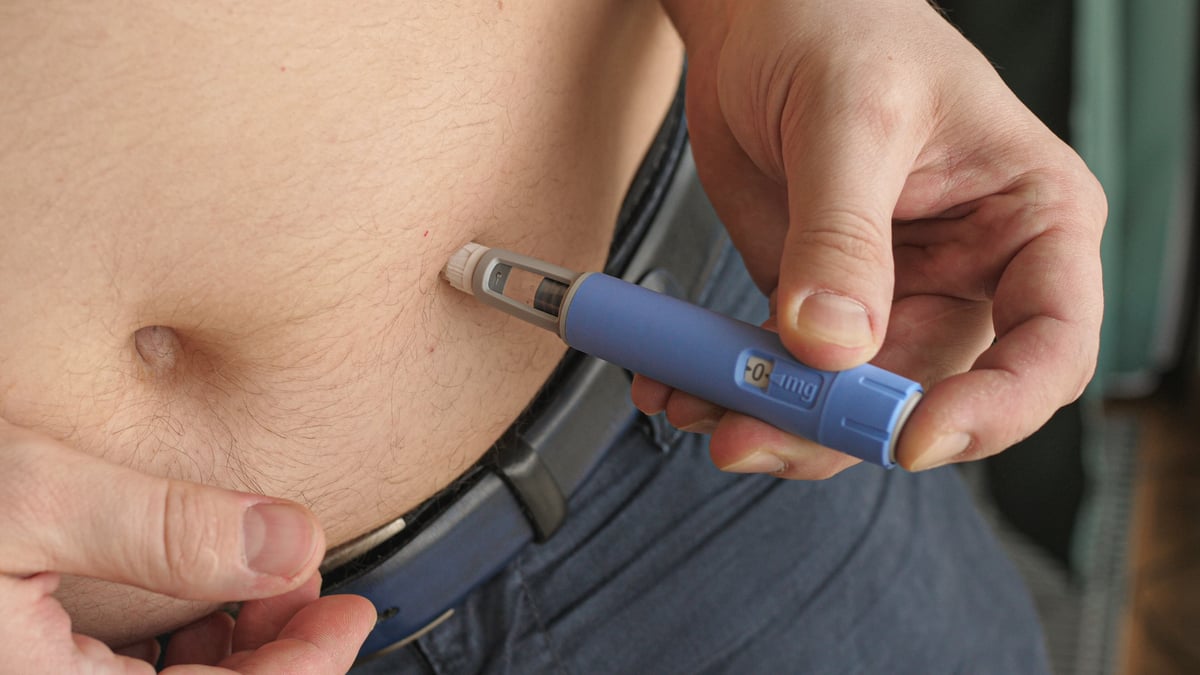
Eli Lilly (LLY +1.30%) has been experiencing fantastic growth due to the success of its GLP-1 drugs, Mounjaro (approved for diabetes) and Zepbound (approved for weight loss). They've been generating billions in revenue for the company. But the bigger catalyst that investors are eagerly awaiting is the approval of the company's weight loss pill, orforglipron. Its current GLP-1 treatments are injectables, and a pill could lead to significantly more growth opportunities.
Recently, however, investors learned that the Food and Drug Administration (FDA) would be pushing back its decision on orforglipron to a later date. Is this a cause for concern, and what could it mean for the healthcare stock?

Image source: Getty Images.
When will the FDA make a decision on orforglipron?
In January, investors learned that the FDA had pushed back its target action date to April 10 for orforglipron. That's a delay of just under two weeks from the previous date of March 28. That technically pushes it into the second quarter, but it's a minor delay overall. Target action dates for other drugs were also pushed back; there's nothing to suggest it's due to any serious concern with orforglipron in particular.
Nonetheless, shares of Eli Lilly were down slightly on the news, especially with rival Novo Nordisk already obtaining approval for its GLP-1 pill and experiencing strong demand out of the gate. Investors may be concerned about the head start that Novo is getting.

NYSE: LLY
Key Data Points
Why Eli Lilly investors shouldn't be worried
Eli Lilly won't have the first GLP-1 weight loss pill, but it also didn't have the first injectable drug, either, and that didn't stop it from dominating the market. The public has shown that what matters more is having access to a safe, effective, and affordable weight loss treatment; any first-mover advantage is likely to be minimal.
As long as orforglipron obtains approval, and there's no reason to doubt that it will, it can still be a huge catalyst for Eli Lilly this year and beyond. In clinical trials, it has shown that it can help people lose an average of about 12% of their body weight over a 72-week period.
And while the stock may be expensive, trading at more than 50 times its trailing earnings, the premium may be justifiable for long-term investors given the potential that the company possesses. Its price-to-earnings-to-growth (PEG) multiple is just under 1.0 and signifies that there's excellent value here when factoring in analysts' growth expectations for the business in the years ahead.
Eli Lilly is an excellent long-term holding, and if there does prove to be a prolonged dip in value, it could simply create a terrific buying opportunity.