GE Vernova (GEV 8.00%), the former energy division of General Electric (GE 1.44%) that was spun off into a stand-alone company in 2024, is impressing many investors. Over the past 12 months, its stock has more than doubled, while the S&P 500 rose only 15%. Let's see why it attracted a stampede of bulls, and if it's still worth buying this month.
Why did GE Vernova impress the market?
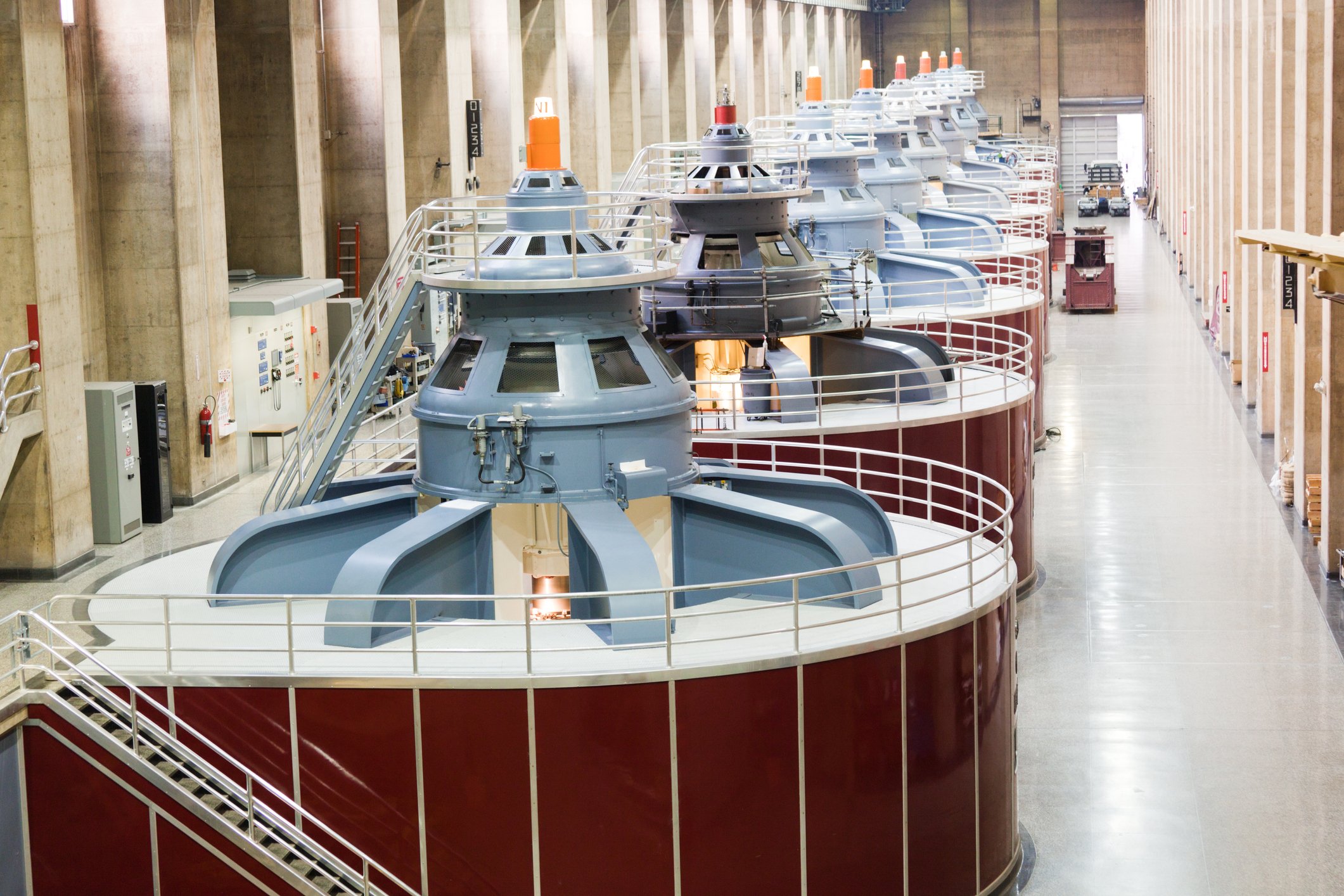
In 2025, GE Vernova's Power business -- which sells heavy-duty gas turbines for combined-cycle plants, steam turbines for coal, gas, and nuclear plants, and provides fuel, maintenance, and upgrade services for nuclear plants -- accounted for 55% of its orders.

Image source: Getty Images.
Its Electrification business -- which sells transformers, breakers, substations, high-voltage direct current systems, and various automation, optimization, and protection services for electrical grids -- accounted for nearly a third of its orders. The rest of its orders came from its smaller Wind business, which mainly sells onshore and offshore wind turbines. Here's how those three segments fared, on an organic basis, over the past year.
|
Organic Orders Growth (YOY) |
Q4 2024 |
Q1 2025 |
Q2 2025 |
Q3 2025 |
Q4 2025 |
|---|---|---|---|---|---|
|
Power |
24% |
28% |
44% |
50% |
77% |
|
Electrification |
122% |
(3%) |
(31%) |
102% |
50% |
|
Wind |
(41%) |
(43%) |
(5%) |
4% |
53% |
|
Total |
22% |
8% |
4% |
55% |
65% |
Data source: GE Vernova. YOY = Year-over-year.
The rapid expansion of the power-hungry cloud, data center, and AI markets drove more utility companies to upgrade their power plants and grids, generating strong tailwinds for both the Power and Electrification segments. The Wind segment struggled with delays at its onshore wind projects, execution issues at its offshore wind projects, and supply chain constraints -- but it recovered in the second half of the year as its onshore wind business stabilized.

NYSE: GEV
Key Data Points
Should you invest in GE Vernova today?
GE Vernova expects its Power and Electrification segments to continue growing their organic revenues at double-digit rates through 2028. It also expects the adjusted earnings before interest, taxes, depreciation, and amortization (EBITDA) margins of both segments to expand. It expects the Wind segment to continue shrinking, but it will focus on stabilizing its adjusted EBITDA margins by right-sizing the business and trimming expenses.
From 2025 to 2028, it expects its revenue to grow at a 14% CAGR, from $38 billion to $56 billion, as its adjusted EBITDA margin expands from 8% to 20%. With an enterprise value of $201 billion, it's still reasonably valued at 35 times this year's adjusted EBITDA. So if you're looking for a simple play on the AI-driven energy boom, GE Vernova checks all the right boxes.