Defense stocks soared in January. The S&P Aerospace and Defense Select index is up about 11% so far in 2026, driven higher by elevated geopolitical uncertainty, increased defense spending, and expectations of even greater government expenditures on military technologies in the near term.
The State Street SPDR S&P Aerospace & Defense ETF (XAR +4.95%), which tracks that index, is up about 10.5% year to date vs. the S&P 500 index, which has risen only about 1%.

NYSEMKT: XAR
Key Data Points
Three defense stocks in particular stand out, all of them up more than 20% in 2026 after only about a month:
- Lockheed Martin (LMT +2.36%) is up a whopping 26% so far this year.
- Northrop Grumman (NOC +1.82%) has climbed 20%.
- Huntington Ingalls Industries (HII +7.92%) is up more than 24%.
It looks likely that these stocks have even more potential upside if you consider the factors that have been driving them higher and how those factors may play out through the remainder of this decade.
Global defense spending is rising rapidly
From the start of his second term, President Donald Trump has demanded that NATO members step up their defense spending. The alliance's former goal was for each member nation to spend 2% of its gross domestic product (GDP) on defense. But under pressure from the White House, in June of 2025, that goal was boosted to 5% by 2035. That 5% will consist of 3.5% on pure defense and the rest on defense-related infrastructure.
That's quite an increase, considering some of the largest economies in the world are NATO members, including Germany, the United Kingdom, and France. Germany, with a GDP of more than $5 trillion, has announced plans to double defense spending within five years, hitting the 5% goal before 2030.
We're now seeing the effects of those commitments. Global defense spending is expected to hit $2.6 trillion this year, an 8.1% increase over 2025. Spending is forecast to hit $2.9 trillion by the end of the decade.
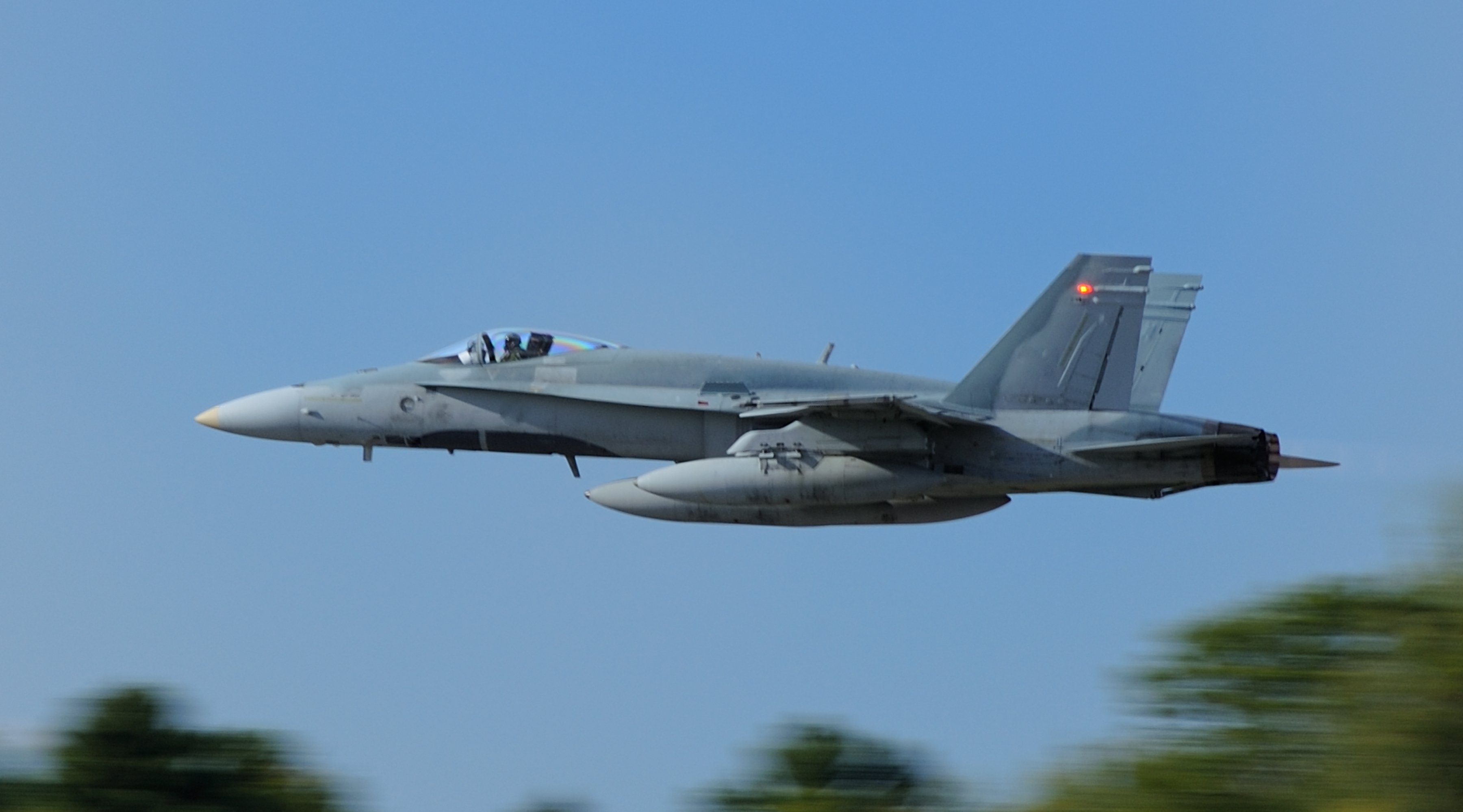
Image source: Getty Images.
Two major new U.S. defense projects and Trump initiatives -- the Golden Dome missile defense shield and the Golden Fleet plan, aimed at building up the U.S. Navy -- will drive even more U.S. defense spending. Lockheed Martin, Northrop Grumman, and Huntington Ingalls Industries are among the major contractors involved in those projects.
Trump's plan for the U.S. Navy includes a new battleship class that has been dubbed the Trump class. As my Motley Fool colleague Rich Smith wrote recently, "Everyone who's anyone in defense should profit off the new Trump-class battleships."
Global aggressions are growing and spurring defense spending
What's more, Trump's recent aggressive stance on acquiring Greenland has rattled the North Atlantic alliance. As a result, the European Union is expected to accelerate investment in its own defense capabilities, including air and missile defense, cyber operations, and rapid-response forces.
Further, U.S.-Iran hostilities continue to build, and the Middle East, unfortunately, is becoming a more dangerous place by the month. As one analyst at Forecast International, a market intelligence firm for aerospace and defense, put it, "Virtually every country in the Middle East is either itself involved in a shooting war or is neighboring a country that is involved in a shooting war. And so ultimately, the way these countries are going to react to it is they're going to spend heavily on defense."
Just last week, the Trump administration approved two enormous arms sales, one to Israel for $6.67 billion and another to Saudi Arabia for $9 billion. Products they'll buy include weapons built by U.S. defense firms, from Patriot missiles to Apache attack helicopters.
Who benefits from such massive sales? Primarily, U.S. defense firms. It's a dangerous world, unfortunately. And governments around the globe are arming for it. U.S. defense firms -- and their shareholders -- will be huge beneficiaries.