Wingstop (WING +1.36%) entered 2025 with a 21-year streak of growth in same-store sales (comps). But that run is coming to an end following a significant third-quarter downturn for the fast-food purveyer of buffalo wings. This reversal follows impressive domestic growth of 18.3% in 2023 and nearly 20% in 2024, which created a high hurdle for year-over-year comparisons.
As a result, domestic comps flattened in the first half of the year before dropping 5.6% in the third quarter as the pressure on consumers deepened. So what should investors make of these results?

NASDAQ: WING
Key Data Points
Management initially projected low- to mid-single-digit comps for 2025, but after multiple guidance cuts, it now expects a 3% to 4% decline heading into the fourth-quarter report this month. With 50% of its domestic footprint in Texas, California, Florida, and Illinois, the issues began as disruptions in the labor market in these core regions reduced transaction counts and spread to middle-income diners by the third quarter. After a volatile ride, the stock has leveled off and is down just 10% over the past year.
The power of the royalty stream
Wingstop operates an asset-light model, with roughly 98% of locations owned by franchisees. This structure insulates the company from the rising labor and food costs that eat into traditional restaurant margins.
The menu remains focused on wings and tenders, with an average ticket in the low to mid $20 range, but the real business driver is the efficiency of the footprint. Locations are small and tech-enabled to maximize throughput, with digital orders now exceeding 72% of systemwide sales.
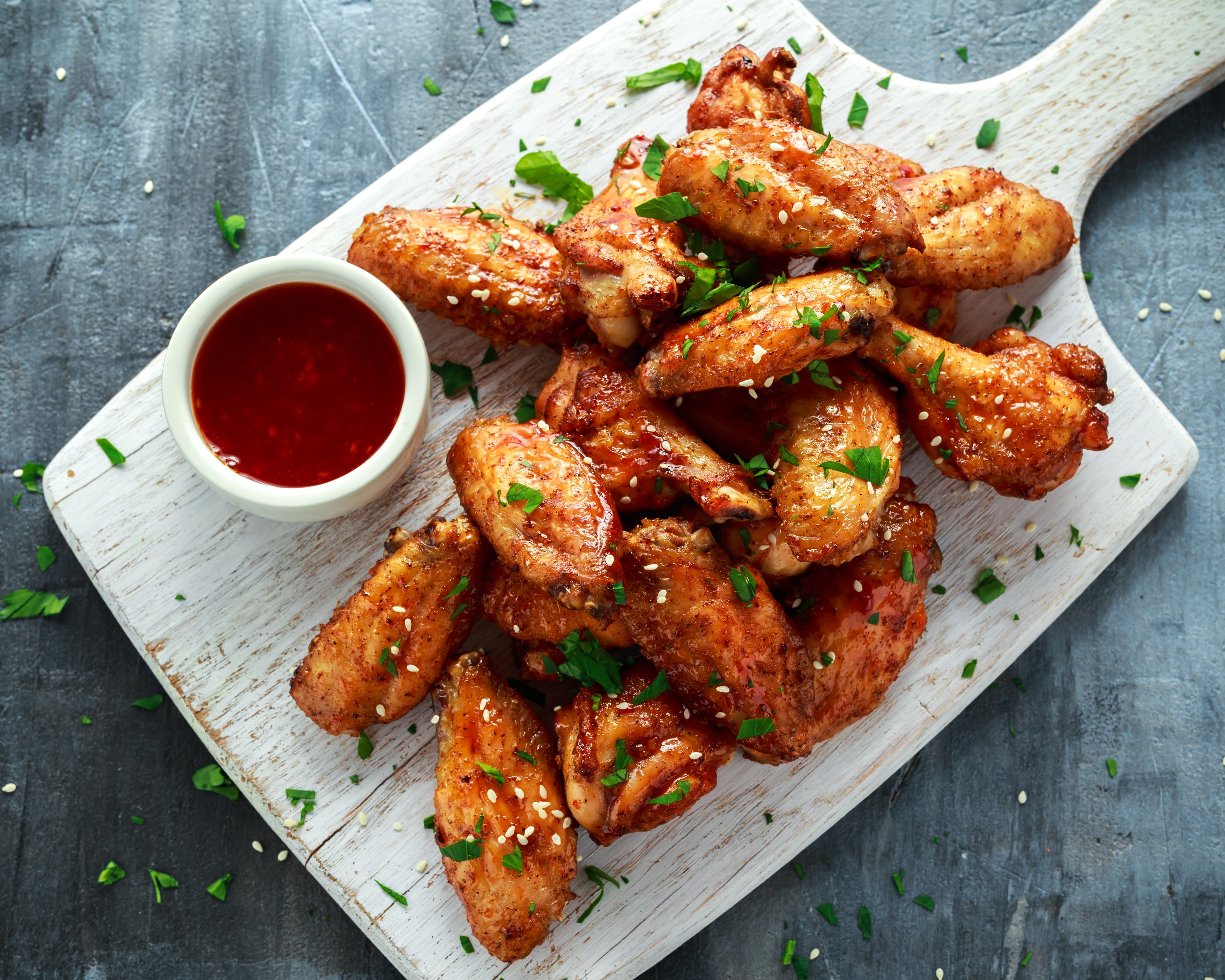
Image source: Getty images
This structure allows the company to collect royalties on over $5 billion in systemwide sales. Revenue is tied to top-line sales rather than restaurant-level margins, which creates a more predictable earnings profile and meaningful protection against cost inflation. By off-loading the operational heavy lifting to franchisees, Wingstop earns high margins on its fee-based revenue, resulting in adjusted margins of around 35% based on earnings before interest, taxes, depreciation, and amortization (EBITDA).
Two recent initiatives are expected to help reverse the traffic slide. The Smart Kitchen technology, now in operation in all domestic locations, and the Club Wingstop loyalty program that will debut in mid-2026 should improve efficiency and help drive increased visits, supporting comps growth.
Franchisee reinvestment fuels record expansion
Rapid store expansion cushioned Wingstop's recent results. Even as sales cooled, adjusted EBITDA grew 18.5% to a record $64 million in the third quarter. This performance reflects recurring revenue scaling up with total systemwide sales, which rose 10% to $1.4 billion as new locations opened. Bottom-line results also benefited from improved company-owned store margins as wing commodity costs eased during the quarter.
Management raised its 2025 development outlook throughout the year, ultimately targeting around 480 net new restaurants, representing growth of roughly 19%. This pace indicates that unit economics remain healthy even as individual store performance slows. Domestic average unit volumes dipped slightly in the third quarter to $2.06 million, but franchisee demand for new locations stayed strong.
Wingstop surpassed 3,000 total locations late in the year, with 95% of new domestic openings coming from existing franchisees. These brand partners continue to deploy capital because they generate strong returns on investment.
Over the long term, management aims to reach 10,000 global restaurants. While the domestic market remains the primary driver today, international markets like the Middle East and India represent key opportunities down the road.
Paying up for these royalties
Despite the near-term headwinds, Wingstop shares still trade at around 68 times this year's projected earnings. That multiple is actually lower than we've seen in the past, but it's still nearly triple that of its quick-service restaurant peers. For example, Restaurant Brands International trades near 18 times earnings, while McDonald's and Yum! Brands both sit closer to 26.
During the third-quarter earnings call, management said it expected the pressure on traffic to persist through the fourth quarter but targeted a return to positive growth this year. In addition, the company will continue its aggressive expansion, with mid-teens store growth anticipated for the coming year. Sustaining the 10,000-store global goal requires transaction counts to stabilize, as persistent weakness would eventually erode the unit economics that drive franchisee reinvestment.
With fourth-quarter earnings due Feb. 18, investors can be patient. If results confirm that the slowdown has broadened further, a pullback in share price could provide a better entry point. The business' quality and opportunity are real, but there's a limited margin of safety at today's price.