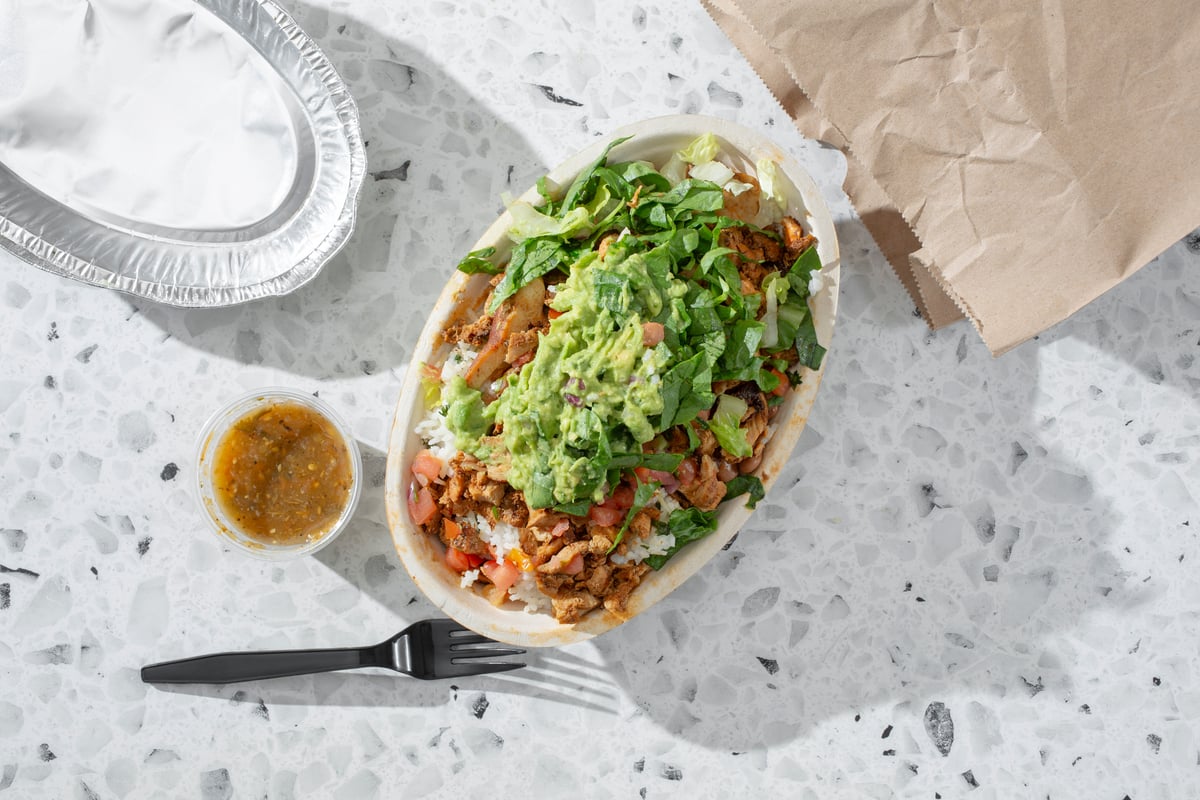
For years, the future looked to be fast casual. Led by the likes of Chipotle Mexican Grill (CMG 3.47%), American eaters transitioned from traditional restaurants or fast-food giants to these concepts that bridged the gap between sit-down and fast food, typically focused on a specific ethnic cuisine.
In 2026, this trend is reversing. Price hikes on fast-food and fast-casual meals have led to a resurgence in diners visiting sit-down chains such as Chili's, owned by Brinker International (EAT 3.61%). This is a reason why Brinker International stock is up close to 300% in the last three years, while Chipotle stock is down close to 50% from all-time highs.
Here's the skinny on changing dining traffic in the United States, and what it means for investors in 2026.

NYSE: CMG
Key Data Points
Fast-casual losses, dine-in gains
The return to dine-in options is no better exemplified by the performance of the Chili's brand under Brinker International. Last quarter, Chili's same-store sales growth of 8.6%, leading to an impressive two-year same-store sales growth of 43%. This was driven by increased traffic to Chili's locations. At the same time, Chipotle's same-store sales growth declined by 2.5% in the fourth quarter, signaling a decline in customer traffic.
diners are likely shifting away from fast casual because of price. Two decades ago, there was a clear price distinction between fast food (such as McDonald's), fast-casual, and sit-down restaurants, with the price of a meal rising the more "formal" the setting was. However, as fast-food and fast-casual brands raise prices, a $15 meal at Chipotle is no longer much different from a sit-down deal at Chili's.
Brands like Chili's have begun marketing this fact, which is slowly incentivizing diners to switch. Fast-food brands have realized they've taken too much pricing power for what is supposed to be a cheap meal and have begun heavily discounting their food items yet again.
This puts fast-casual chains like Chipotle in a bind. For years, it gained share as an affordable, tastier option than the competition. Now, it is being attacked by heavy discounts at the low end (fast food) and by equal pricing from higher-end sit-down chains.

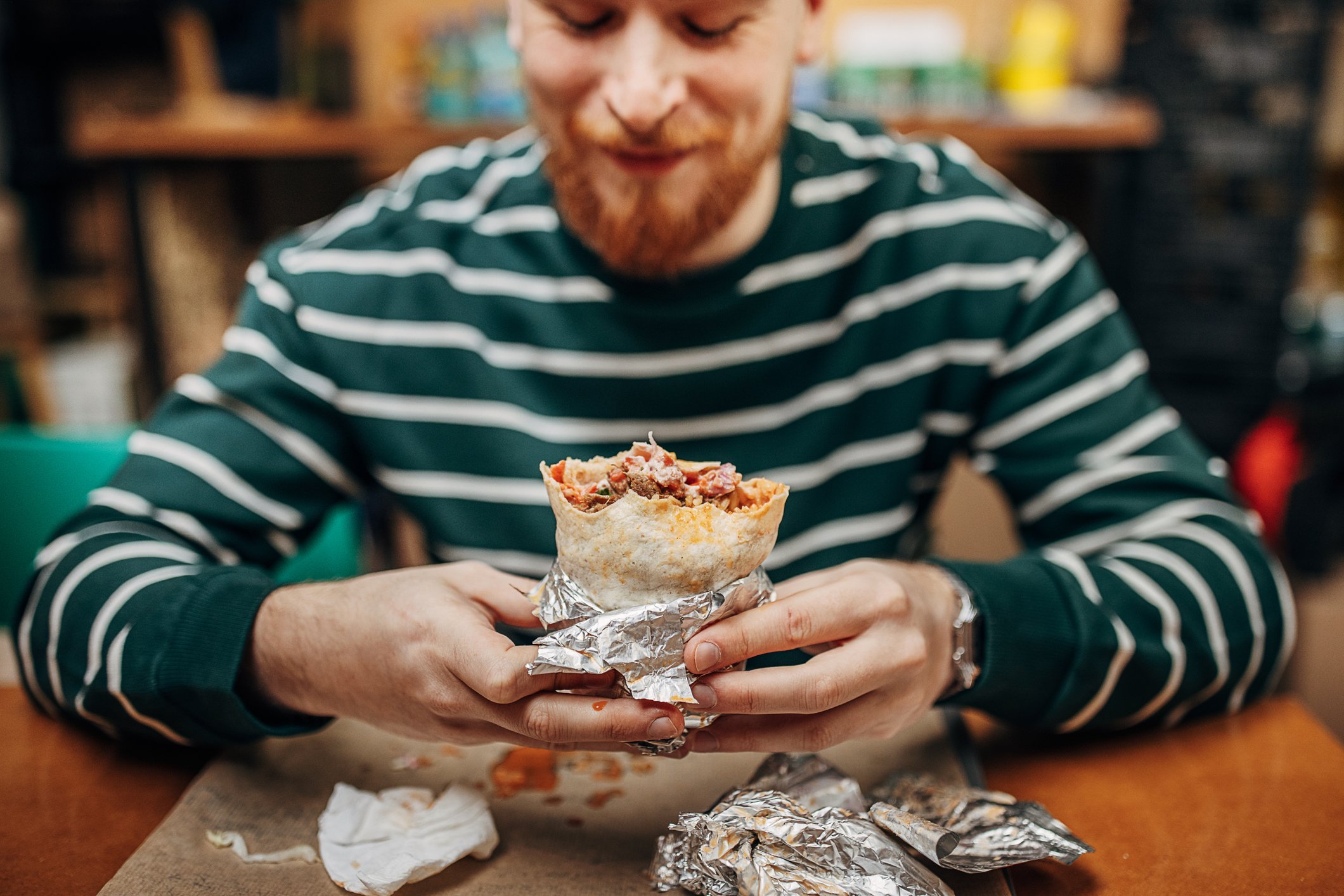
Image source: Getty Images.
What should investors do?
Dynamic changes to the restaurant market have greatly impacted share prices. Brinker's stock has risen dramatically, while Chipotle's has fallen. McDonald's has begun to rebound after its latest price reset, recently hitting a three-year high with its share price.
The question remains whether this is a short-term blip in the restaurant landscape, with a peak in fast-casual concepts, or a permanent shift. That is a hard question to ask, because it means analyzing which specific brands will execute product strategies better than the competition.
For investors, it is best to focus not on which restaurant category is doing well, but on which specific restaurants have built the best value proposition for customers. Right now, Chipotle is struggling due to its price hikes and declining product quality, while Texas Roadhouse and Brinker International are thriving. Why? Because the latter two brands offer great value to consumers at reasonable prices.
Focusing on this concept will help you find great restaurant stocks to buy in 2026.