I owned Nokia (NOK +3.23%) stock fairly recently. After holding the Finnish mobile communications equipment specialist's shares for about four years, I cashed in that modest position in July 2024 for a total return of 12.5%. The S&P 500 (^GSPC 1.16%) index scored a total return of 68.6% over the same period, and I didn't see any catalysts that would turn Nokia's underperformance around.
That was a mistake. Nokia continued to struggle for about another year but sprang to life in fall 2025. As of Feb. 19, Nokia has posted a 97.7% total return since I sold my shares. The S&P 500? A 24.7% gain.
At this point, I would be beating the market by the skin of my teeth from November 2020 to February 2026.
So Nokia is clearly doing something right. But what's next? Let's see if Nokia is a buy, sell, or hold.

NYSE: NOK
Key Data Points
Why Nokia investors are smiling again
Nokia's financial results were mixed in 2025, but the stock still saw big gains after the two latest earnings reports. You have to dig deeper than the standard headlines to figure out why. As it turns out, Nokia has a strong pipeline of incoming equipment orders, signaling strong revenues in 2026 and beyond.
Furthermore, the company recently reorganized its reporting structure from four equally important segments to two primary divisions. The revamped business model is built around "powering the AI supercycle," according to CEO Justin Hotard. It's all about AI-native mobile networks looking forward to the incoming 6G upgrade opportunity.
Nokia's investors have embraced this ambitious strategy, lifting the stock to prices not seen since 2015.
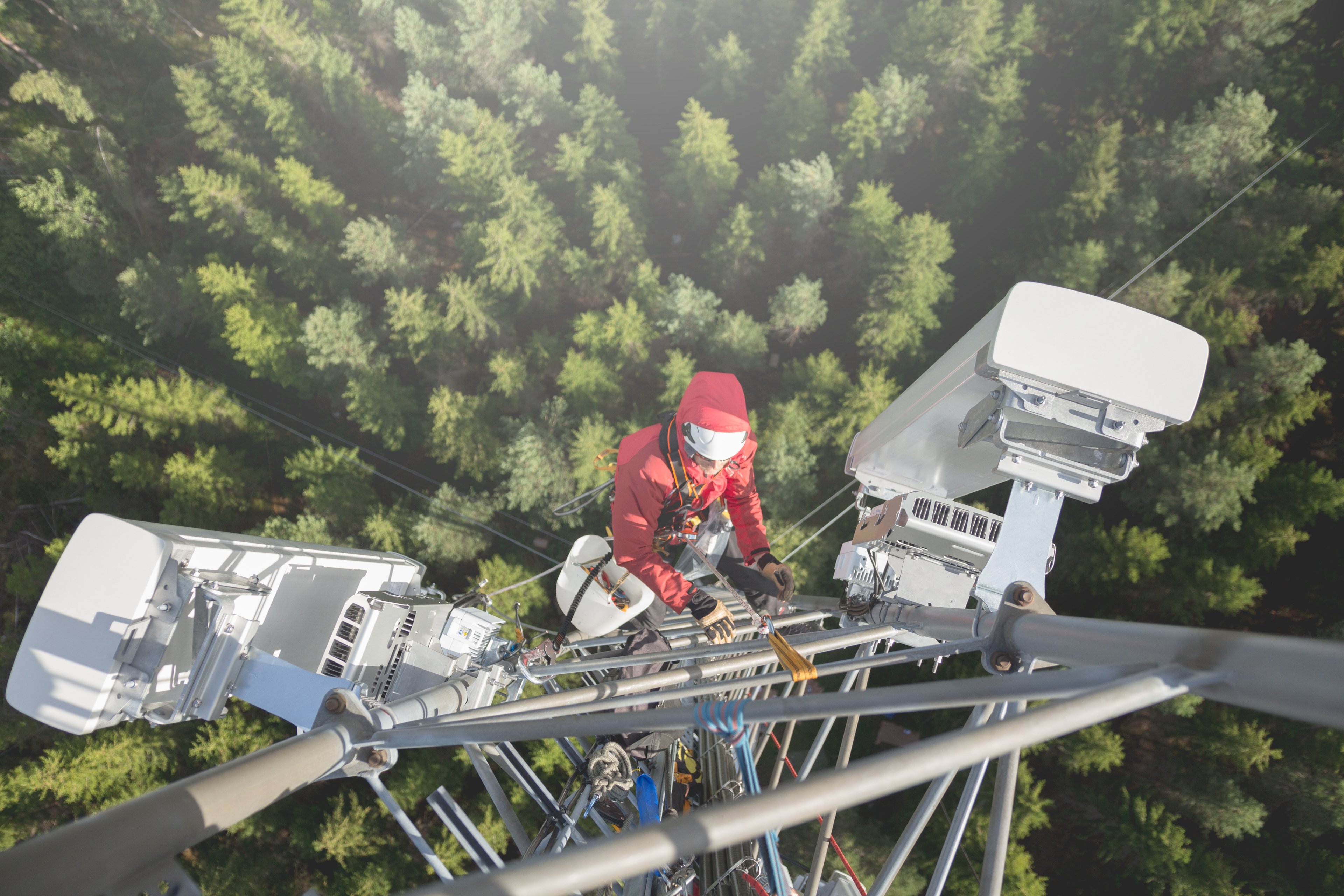
Image source: Getty Images.
The 6G dream
Wall Street is sending mixed signals about Nokia's stock. The analyst community's average price target is $6.87 per share, roughly 10% below current prices and evenly split between "buy" and "sell" recommendations. On the upside, less than 1% of Nokia's shares are sold short, giving it the look of a classic value stock with minimal bearish bets.
6G networks are a crucial part of Nokia's long-term business plan. This generation of wireless technology will not be a huge speed boost, focusing on reliable connectivity everywhere, with lower operating costs and milder environmental impacts than 4G and 5G networks. Nokia expects wireless AI services and quantum computing systems to "become inextricably linked to the network."
That's a thrilling vision, but wireless tech titans made similar claims when 5G networking was on the horizon. Has 5G really changed the game?
Well, that generation has allowed cellular Internet of Things (IoT) devices to outgrow the broader IoT market, taking a 22% share of smart home and wearable computing connections today. Like the next-generation 6G technology, 5G wasn't a pure speed booster for your phone like previous generations.
My take on Nokia stock today
So a Nokia investment is a bet on high demand for 6G networks in the long run. I misjudged and mistimed the 5G cycle badly. The next generation should be business as usual for Nokia, keeping the company afloat over the long haul without resulting in massive outperformance.
If you're looking for a steady value stock in the tech sector, Nokia could fill that role. Growth investors should probably look elsewhere. Overall, I'd call this stock a "hold" right now.