I'm drawn to companies the market has largely stopped paying attention to -- businesses that look ordinary on the surface but are quietly building structural advantages underneath.
That's what led me to three consumer and agriculture plays I think deserve a closer look right now. Each sits in a mature industry where investors often assume growth and innovation are limited. Yet all three are making strategic shifts that could reshape how their businesses compound over the next decade.
One is a South American agro-industrial operator turning agricultural waste into energy and building a vertically integrated bioeconomy. Another is a nostalgic global produce brand modernizing its supply chain and sharpening its focus on higher-margin fruit categories. The third is a beaten-down beauty company attempting a reset around prestige fragrance, one of the most resilient segments in cosmetics.

Image source: Getty Images.
None of these companies are obvious momentum trades. In fact, the market currently seems skeptical of all three.
I've broken down why I find these three stocks compelling, how their business strategies are evolving, and why a modest investment -- even something like $500 in the right place -- might look very different several years from now than the market expects today.
1. Adecoagro
Adecoagro (AGRO +2.52%) is the most ambitious agro-industrial story that most American investors have ever encountered. This South American food and renewable energy producer grows sugarcane, rice, and row crops while simultaneously running a dairy operation and an expanding clean energy platform.
The forward-looking investment thesis for this company hinges on biomethane.
At Adecoagro's Ivinhema mill in Brazil, concentrated vinasse, a byproduct of ethanol production, is being converted into compressed biomethane that fuels over 120 light vehicles, six trucks, a tractor, and four motor pumps used by the company.

NYSE: AGRO
Key Data Points
The company recently secured financing from FINEP to construct two new biodigestors that will increase biomethane production fivefold by 2027, producing 30,000 cubic meters per day, enough to replace 10 million liters of diesel annually.
Adecoagro was the first company in Brazil authorized to issue Gas-RECs (Renewable Natural Gas Certificates) and the first cane mill to issue CBio decarbonization credits.
Then there is the Profertil acquisition. In late 2025, Adecoagro took a 90% controlling stake in Profertil, a low-cost producer of urea and ammonia based in Argentina's main petrochemical hub. This moves the company upstream into fertilizer production, creating a vertically integrated loop: The same company that grows food now manufactures the inputs to grow it.
2. Dole
For many people, Dole (DOLE 0.90%) still evokes a familiar image: canned fruit or the fruit salad their grandparents served at family gatherings. It's not usually the first brand people think of when they imagine a modern global produce company.
But that perception gap is the opportunity.
Behind the nostalgic brand is a vast operation sourcing produce from more than 100 countries. Dole runs a vertically integrated system where roughly one-third of the bananas it sells and about 75% of its pineapples come from company-owned farms. That structure gives the company unusual control over farming, quality, and distribution.

NYSE: DOLE
Key Data Points
The company is also simplifying its business. Last year, Dole sold its Fresh Vegetables division for $140 million, exiting a lower-margin segment to focus on fruit. It also integrated its Diversified North America sales operations into subsidiary Oppy, bringing berries, grapes, citrus, and cherries together under one commercial platform to strengthen its presence in fast-growing produce categories like avocados, blueberries, and cherries.
At the same time, Dole is investing in sustainability -- including lower-emission shipping vessels and Fair Trade-certified pineapple farms in Costa Rica that return social premiums to worker communities.
The result is a $9-billion-revenue global produce operation trading at a market cap of about $1.5 billion -- a much larger and more modern business than its nostalgic brand image suggests.
Dole isn't going anywhere. I'd spend $500 here and pick up nearly 33 shares.
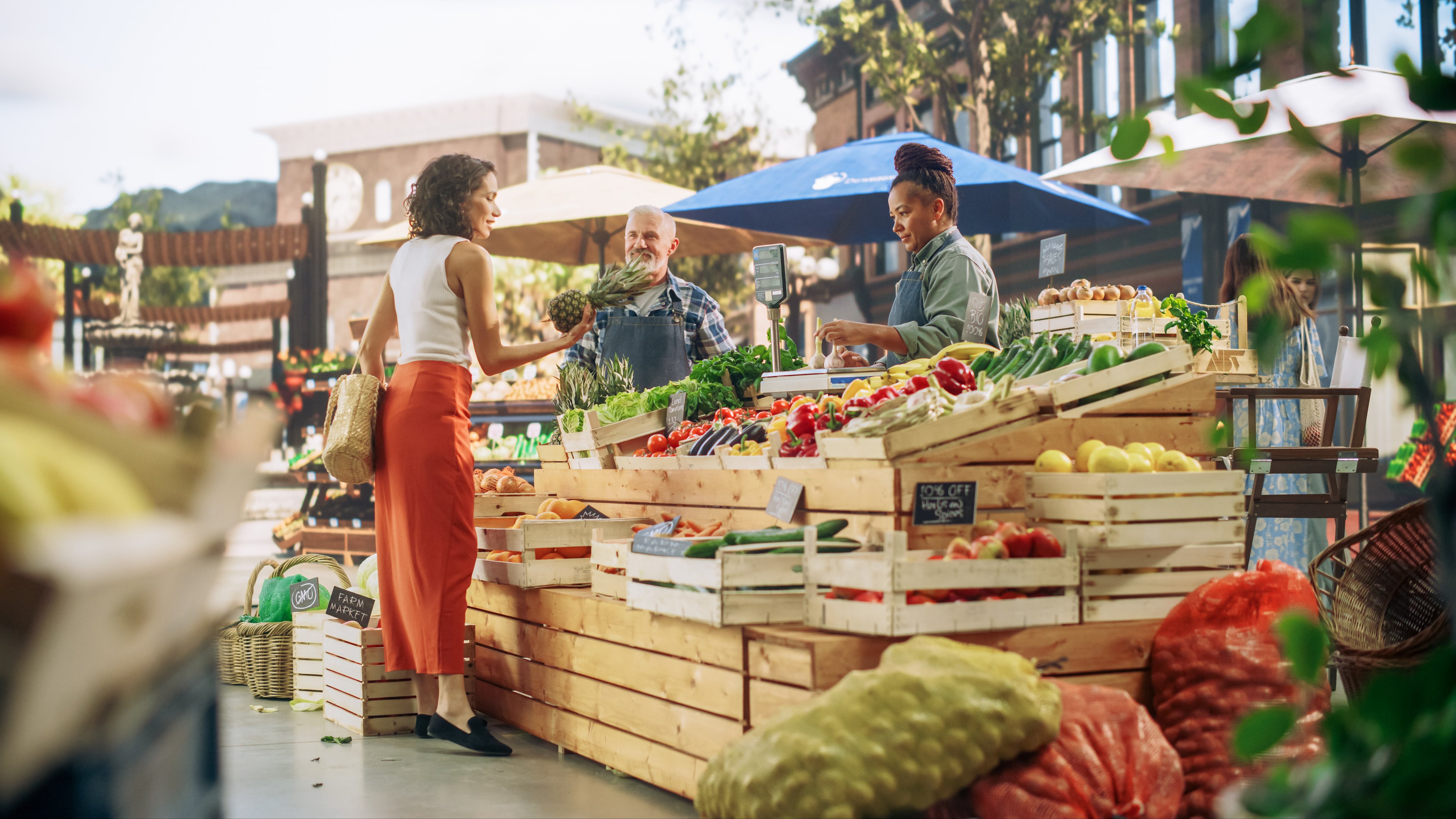
Image source: Getty Images.