The geopolitical conflict in the Middle East has disrupted global energy markets, driving up oil and natural gas prices. That will directly benefit energy companies like Diamondback Energy (FANG +0.35%), Devon Energy (DVN 0.52%), and Chevron (CVX 1.51%). They will probably be strong performers throughout 2026, given the nature of the oil market. Here's what you need to know.
The market disruption will linger beyond the conflict
It isn't uncommon for geopolitical conflicts to drive up energy prices. So, in some ways, what is transpiring in the Middle East has had a fairly predictable outcome on commodity markets. However, it is also important to understand that the end of the conflict won't instantly fix the supply disruptions that have impacted global energy prices.

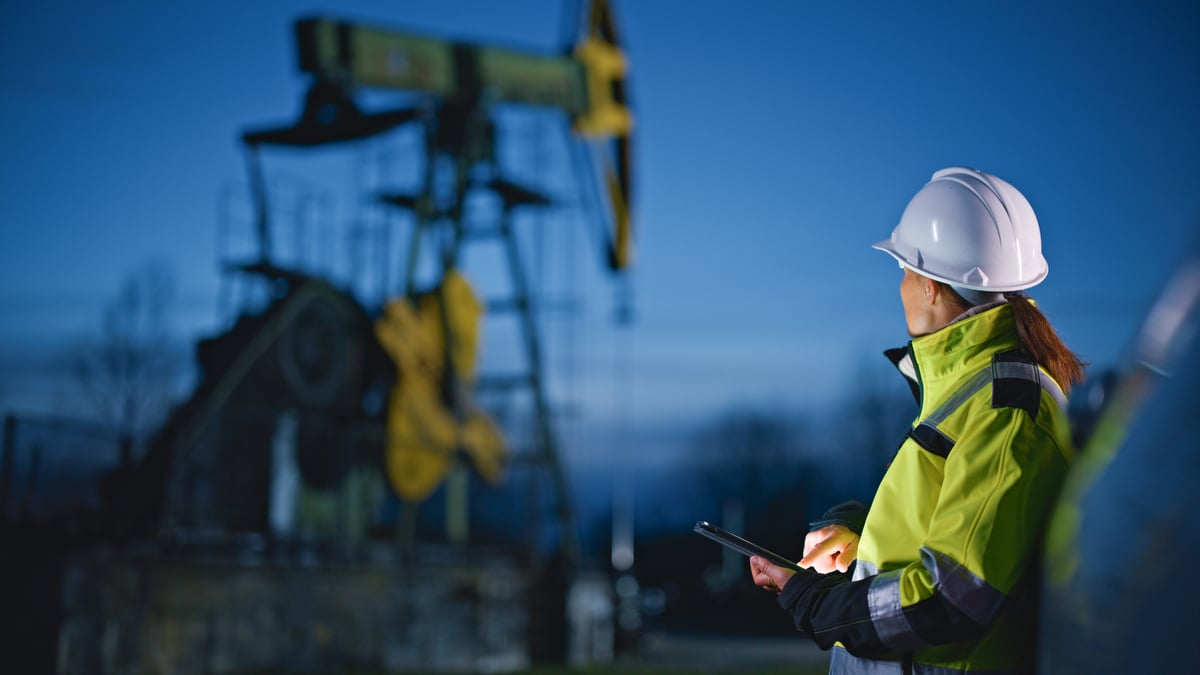
Image source: Getty Images.
It could take months, or even years, for the energy infrastructure that has been damaged and, in some cases, destroyed to get back online. High oil prices could persist longer than investors expect. That's bad news for your wallet, but it is good news for energy companies like Diamondback, Devon, and Chevron. They are all likely to see elevated earnings throughout 2026.
An aggressive play on high energy prices
Diamondback Energy and Devon Energy are both onshore U.S. oil and natural gas producers. Their production assets aren't being impacted by the geopolitical conflict in the Middle East. That is very good news, since it means they can fully benefit from the rise in energy prices.

NASDAQ: FANG
Key Data Points
Diamondback increased oil production per share 9% in 2025. It expects to see another 4% increase in that metric in 2026. That sets the stage for robust earnings, noting that the price of West Texas Intermediate crude, the key U.S. oil benchmark, is rising along with global benchmark Brent Crude.

NYSE: DVN
Key Data Points
Devon Energy's story is a little different. While it will clearly benefit from rising oil and natural gas prices, it recently agreed to buy competitor Coterra Energy (CTRA +0.00%). The deal is expected to close in the second quarter of 2026 and was agreed to before the most dramatic increases in oil prices. The impact from the acquisition could be more beneficial than originally expected in 2026 when Devon updates its full-year outlook after the acquisition is complete.
The problem with Diamondback and Devon is that they are pure play producers. That means their businesses will be fully exposed to energy price declines when they occur. Investors looking for a stock they can buy and hold in the energy patch should probably consider a company like Chevron.
Chevron is built to survive the full energy cycle
Chevron operates in the upstream (production), midstream (pipeline), and downstream (chemical and refining) segments of the energy industry. They each perform differently through the energy cycle, which can limit Chevron's participation in the upside when energy prices are rising. But it can also soften the blow when oil prices fall. For more conservative investors, Chevron will be a better energy choice.

NYSE: CVX
Key Data Points
That said, the real draw with Chevron is the company's reliable dividend. The yield is currently 3.3%, and the dividend has been increased annually for more than a quarter of a century. Given the rise in oil prices, Chevron is likely to have a very strong year in 2026. That said, even conservative dividend investors should feel comfortable owning the oil giant, since it is specifically designed to keep paying attractive dividends even after oil prices eventually return to normal.
Three stocks set to benefit from high oil prices
Given the rise in energy prices and the high likelihood that they will persist, Diamondback, Devon, and Chevron could have market-beating years in 2026. If you are looking to play the oil advance over the short term, the two onshore U.S. drillers could be a solid option. If you want to add a long-term energy position to your portfolio, Chevron will probably be the better choice.