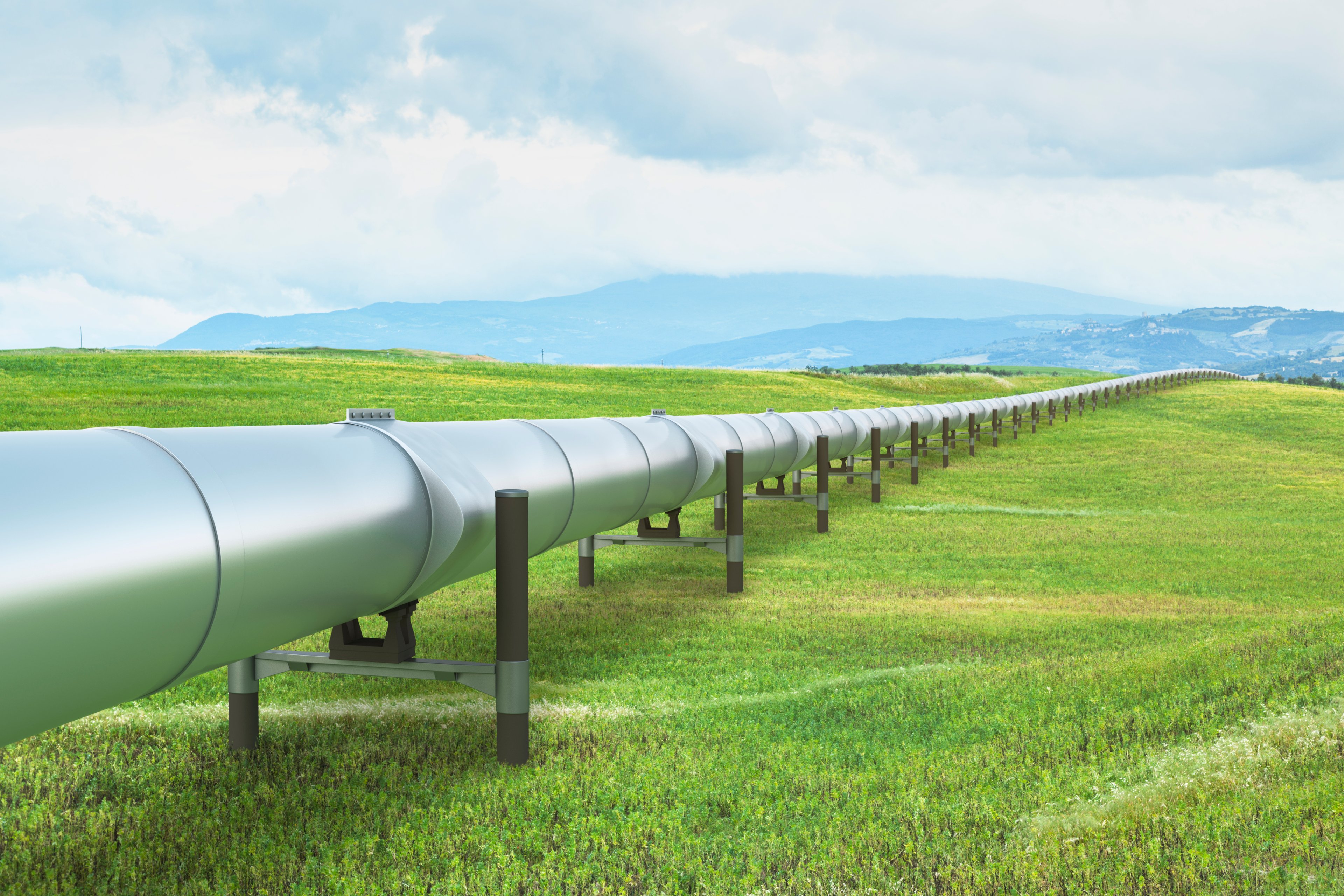
Oil prices have skyrocketed this year due to the war with Iran. They could continue to rise if that conflict doesn't end soon, potentially triggering a recession. That would likely drive down stock prices.
Given that risk, it makes sense to get more defensive. A smart strategy is to buy companies with more resilient business models that can withstand a recession. Here are three dividend stocks to buy that have proven their durability over the years.

Image source: Getty Images.
Enbridge
Enbridge (ENB 1.44%) is a leading North American energy infrastructure company. It owns oil and gas pipelines, natural gas distribution utilities, and renewable energy generating facilities. Most of its assets operate under stable cost-of-service or contracted frameworks (over 98% of its annual earnings). As a result, Enbridge generates very predictable cash flow. Its earnings are so predictable that the Canadian company has achieved its annual financial guidance for 20 straight years. That includes two major recessions and several other market disruptions.
The energy company pays out 60% to 70% of its stable cash flow in dividends. It currently yields more than 5%, well above the S&P 500's level of 1.2%. As a result, Enbridge can deliver a rock-solid base income return regardless of the market environment.

NYSE: ENB
Key Data Points
Enbridge has increased its dividend for 31 consecutive years (in Canadian dollars), demonstrating its resilience during recessions. The company currently expects to grow its cash flow per share by around 3% in 2026 and by about 5% annually thereafter. It has secured expansion projects that should come online through the early 2030s, providing it with strong growth visibility. Enbridge's steadily rising earnings should give it plenty of fuel to keep increasing its dividend, even in a recession.
Procter & Gamble
Procter & Gamble (PG 0.38%) is a leading manufacturer of essential consumer products. Procter & Gamble owns brands such as Bounty, Charmin, Crest, and Gillette, among others. Demand for these products is very recession-proof.

NYSE: PG
Key Data Points
The company has an illustrious dividend history. Procter & Gamble has paid dividends for 135 consecutive years and has increased its payout for 69 straight years. That qualifies it as a Dividend King, a company with 50 or more years of annual dividend increases. The company's payout currently yields 3%.
Procter & Gamble expects to deliver low-to-mid single-digit organic sales and earnings-per-share growth this year. Longer term, the consumer products giant expects to deliver faster sales growth than the market and mid-to-high single-digit earnings per share growth as its margins improve. The company will also make acquisitions to accelerate growth and innovation. It bought Wonderbelly in early 2026 to bolster its personal healthcare portfolio.
Realty Income
Realty Income (O 0.18%) is a leading global real estate investment trust (REIT). It owns a diversified portfolio (retail, industrial, gaming, and other properties) secured by long-term net leases with many of the world's leading companies. It owns properties leased to tenants that operate in industries largely immune to economic downturns (e.g., grocery, convenience, and home improvement stores). Meanwhile, net leases provide very stable rental income because tenants cover all property operating costs, including routine maintenance, real estate taxes, and building insurance.

NYSE: O
Key Data Points
The REIT has delivered very resilient results over the years. It has only had one year when it didn't grow its cash flow per share (2009). Meanwhile, it has increased its dividend for 31 straight years, including the past 114 consecutive quarters. The landlord pays a monthly dividend that yields over 5%.
Realty Income expects to invest $8 billion into expanding its global real estate portfolio this year. Those investments position the REIT to grow its cash flow per share, which should support continued dividend growth.
Built to withstand recessions
The war-fueled surge in oil prices could trigger a recession if prices keep rising. That's why investors should consider adding some more defensive stocks to their portfolio. Enbridge, Procter & Gamble, and Realty Income stand out for their ability to pay durable dividends that have continued to grow during recessions.