This week is pivotal for the oil market. President Trump has given Iran until Monday morning to reopen the Strait of Hormuz to shipping traffic, or he'll escalate by launching attacks against the country's infrastructure.
If Iran agrees to de-escalate, oil prices will likely plummet, enabling the global economy to breathe a huge sigh of relieve. However, if it doesn't capitulate, crude prices will undoubtedly spike, as that would mean the Strait will remain closed. Iran will also likely retaliate by striking additional energy infrastructure in the Middle East.
Here's a look at what could happen in the oil market this week.
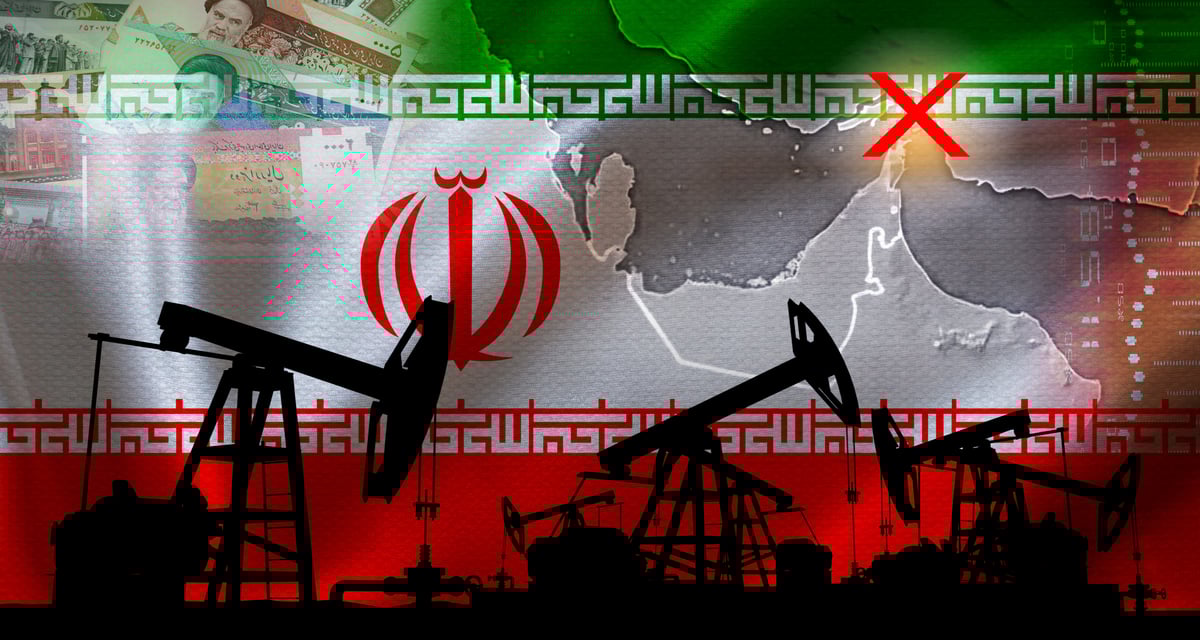
Image source: Getty Images.
The countdown
President Trump initially issued Iran an ultimatum on March 21. The country had 48-hours to reopen the Strait of Hormuz -- a narrow waterway between the Persian Gulf and the Gulf of Oman that handles 20% of global oil and LNG supplies -- or the U.S. would launch military strikes against its power plants. The President has since extended that deadline by five days to April 6. Another extension seems unlikely as the President posted on social media over the weekend that the U.S. will attack bridges and power plants in Iran on Tuesday if it doesn't reopen the Strait.
The closure of the Strait of Hormuz has already fueled a massive surge in oil prices this year. Brent, the global oil benchmark, has rocketed nearly 80% in 2026 to almost $110 a barrel. Meanwhile, WTI, the U.S. oil price benchmark, soared nearly 95% to over $112 a barrel. Crude prices have soared even though International Energy Agency member countries coordinated a record 400 million barrel release of oil from global emergency stockpiles. That's just a drop in the bucket compared to the 20 million barrels of oil per day currently displaced due to the closer of the Strait, which is around a quarter of the global seaborne oil trade. Additionally, while Saudi Arabia and the UAE have ramped up volumes on bypass pipelines, they're only displacing a portion of the volumes that had been flowing out of the Strait each day.
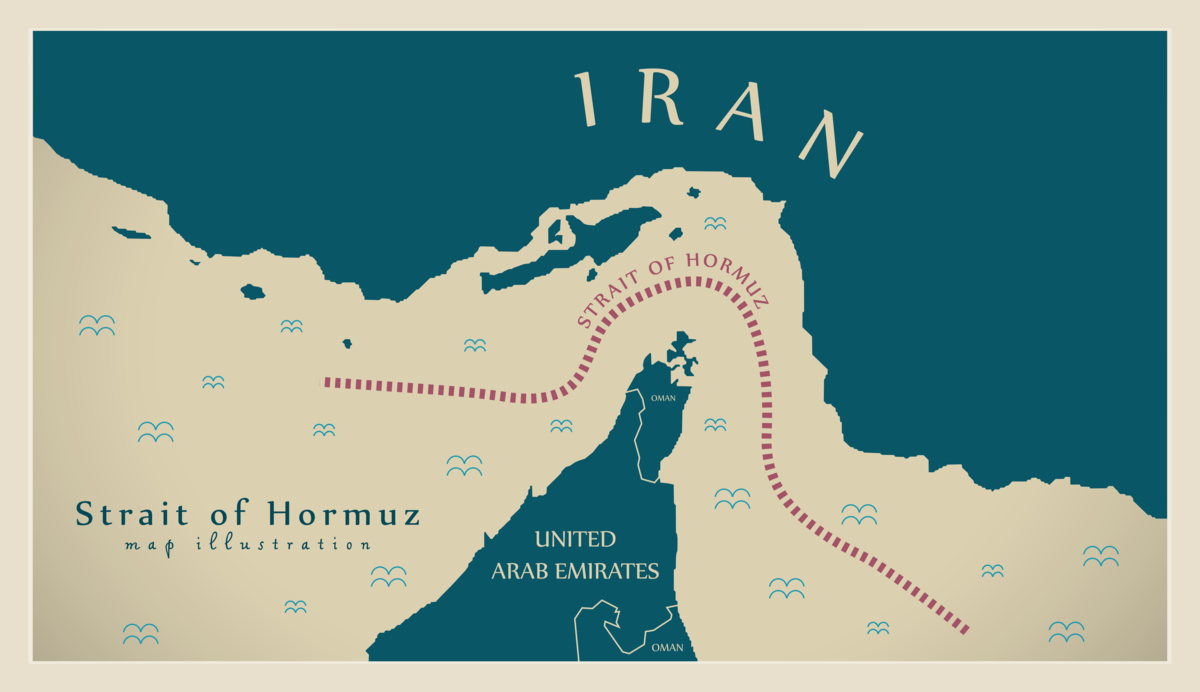
Image source: Getty Images.
Dual potential impacts on the oil market
A continuation of the war and an escalation of the conflict to destroy Iran's infrastructure would have a major impact on the oil market. Crude prices would spike if the Strait of Hormuz remained effectively closed to shipping traffic. Additionally, there's a risk that Iran could escalate by having the Houthis block Bab el-Mandeb, a key oil chokepoint in the Red Sea (impacting Saudi Arabia's bypass pipeline). On top of that, Iran would likely attack additional energy infrastructure in the Gulf. It has already hit LNG infrastructure in Qatar, including two trains co-owned by ExxonMobil (XOM 0.29%). According to an estimate by energy research firm Wood Mackenzie, a further escalation of the war could push crude prices to $150-$200 a barrel this year.

NYSE: XOM
Key Data Points
On the other hand, a ceasefire deal would likely drive down oil prices. Crude wouldn't immediately return to its pre-war level because it will take time for shipping traffic in the Strait of Hormuz to normalize. However, it would likely steadily decline as more oil flows into the global economy. The oil futures market expects WTI to trade in the low $70s by year-end, assuming it reopens.
How to invest amid all the uncertainty
Oil prices will undoubtedly be very volatile this week. However, we don't yet know what direction oil will head. That makes it difficult to invest in this environment.
The smart option is to invest in energy stocks that can thrive either way. Oil giants ExxonMobil and Chevron (CVX 1.51%) built their businesses to thrive at lower oil prices. For example, Exxon expects to grow its earnings and cash flow at a double-digit annual rate through 2030 at the same oil prices and margins as in 2024. Meanwhile, Chevron expects to grow its free cash flow at a more than 10% annual rate through 2030 at $70 oil. Both companies are investing heavily in low-cost, high-margin resources while simultaneously working on cost-saving initiatives. As a result, they can make even more money if oil prices continue rising.
While their share prices would likely decline initially if there's a ceasefire deal, the drop wouldn't be that much, since their share prices haven't risen anywhere near as much as oil has this year (both are up about 30%). Their modest rise in the face of surging crude prices suggests they have significant upside if oil prices keep rising.
Brace for volatility
Investors should brace for what could be a very volatile week. Oil prices could spike or slump depending on the outcome of negotiations with Iran. That uncertain direction is why investors should focus on the top oil stocks, which can thrive either way.